
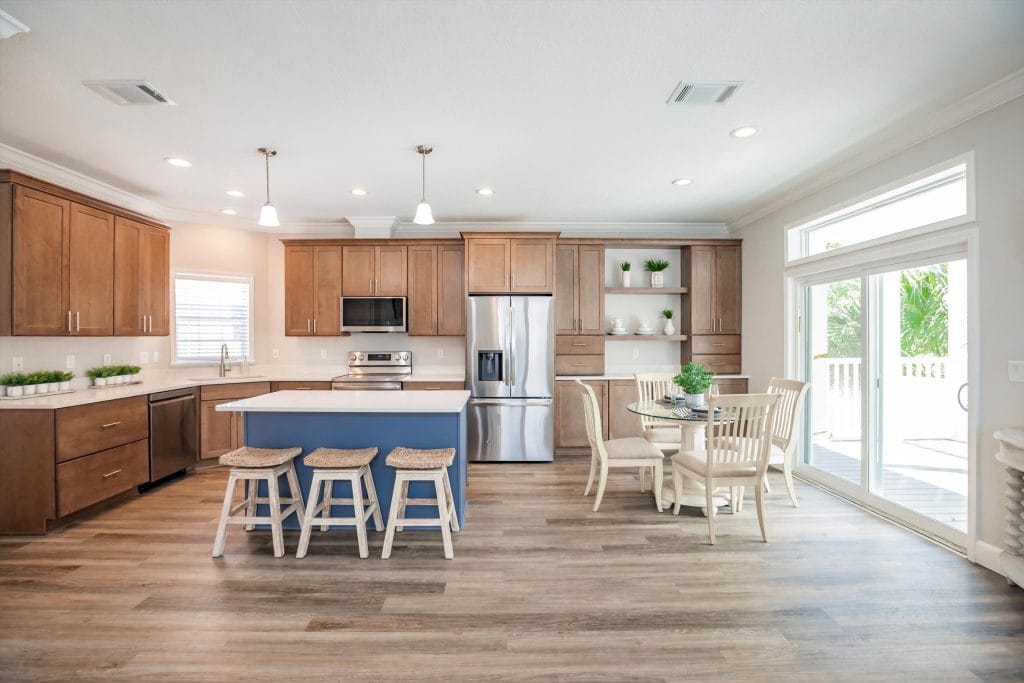
Understanding the Manufactured Home Setup Process
Choosing a manufactured home is an exciting step toward comfortable and affordable living, and understanding what comes next can help you feel confident throughout the journey. The manufactured home setup process involves several essential stages, starting long before the home arrives on your property and continuing through delivery, installation, and final inspection. When you know what to expect, planning becomes easier, stress levels stay low, and you can look forward to moving day with anticipation instead of uncertainty.
Buying a manufactured home gives you the benefit of a streamlined building approach, where the home is constructed off-site in a climate-controlled factory. This careful environment ensures quality craftsmanship, consistent standards, and fewer delays from weather or labor shortages. Once the home reaches your property, the setup phase ensures it is installed safely and correctly so you can enjoy long-term comfort and peace of mind. To help you prepare for your upcoming project, here is a detailed walkthrough of what happens at each step and how everything comes together.
What Happens Before Your Manufactured Home Arrives
Before the home reaches your land, several important tasks must take place. These early steps lay the foundation for a smooth installation and help prevent setbacks later on. First, a site evaluation is conducted to determine whether the property can support a manufactured home. This evaluation includes soil conditions, slope, drainage, accessibility, zoning requirements, and local building regulations. These details influence everything from foundation type to utility placement. Once the land is approved, the next stage is permitting. Your contractor or manufactured home provider will typically help you navigate the paperwork, which may include building permits, utility permits, and any neighborhood-specific approvals. Getting permits in place early helps avoid delays as the process moves forward.
Next comes the development of a site plan. This plan outlines exactly where the home will sit, how it will be oriented for sunlight, views, and privacy, and where important components such as driveways, walkways, porches, carports, and utility connections will be placed. This plan also accounts for setbacks required by local code, which define how far the home must be from property lines or other structures.
After planning, the site preparation phase begins. This involves clearing the land of vegetation, old structures, or debris. Grading is performed to ensure the property is level and ready for the foundation. Proper grading also helps with drainage, so water flows away from the home instead of pooling beneath it. In some cases, soil compaction or reinforcement may be needed to meet the manufacturer’s installation standards.
Once the land is ready, foundation work begins. Manufactured homes can be installed on several types of foundations, such as pier and beam, slab, stem wall, or a raised stilt foundation for waterfront properties. The chosen foundation depends on building codes, flood zone requirements, soil conditions, and homeowner preference. The foundation must be completed before the home arrives since it will serve as the structural base that supports the home for years to come.
Finally, utility preparation takes place. Utility providers may need to install or update services, including water, sewer or septic, electric, and sometimes gas. Your installation team will coordinate timing so everything will be ready once the home is set in place.
Site Preparation and Delivery Steps Explained
Once the site is prepped and the foundation is ready, your manufactured home will begin its journey from the factory to your property. Delivery is a well-coordinated process that uses specialized equipment and highly trained drivers. Each section of the home, often called a module, is transported on its own trailer. Wide load escorts may be required depending on state regulations, and the driver will take carefully planned routes to safely navigate roads while protecting the home from damage.
When the home sections arrive, they are carefully positioned near the installation site. A crew then uses hydraulic jacks, rollers, and towing equipment to move the home onto the foundation. Safety, precision, and teamwork are key here, ensuring the home is perfectly aligned and level.
The sections of multi-section homes are then joined together. This step includes connecting structural components, fastening the marriage line where the units meet, and reinforcing the frame. After the home is secured, indoor connection points for flooring, walls, plumbing lines, and electrical systems are completed.
How Long the Setup Process Typically Takes
Many buyers want to know how long it will take before they can move in. The timeline depends on factors such as permitting speed, weather, the complexity of the foundation, the number of home sections, and local inspection schedules. In general, site preparation may take anywhere from one to four weeks, depending on the work required. Delivery itself usually takes a day once transportation is scheduled. The installation and finishing phase ranges from several days to a few weeks.
After installation, utilities must be connected and activated. Once those are complete, final inspections are conducted. Although timelines vary, most manufactured home buyers can expect the entire setup from site prep to move-in to take approximately four to twelve weeks.
Final Installation and Quality Inspections
Once the home is placed and joined, crews begin finishing work that ensures both the structural integrity and livability of the home. Interior finishing includes sealing connections, securing flooring transitions, and testing plumbing and electrical systems. Exterior finishing involves adding siding trim, skirting, and roofing materials at the marriage line.
Decks, porches, carports, garages, patios, driveways, walkways, and landscaping may also be installed at this stage, depending on your chosen package or site plan. If your home requires additional features such as hurricane straps, vapor barriers, vapor retarders, or energy efficiency components, those are handled now as well.
Once all work is complete, the home undergoes a series of inspections. Inspectors ensure the installation follows state and federal regulations, including HUD standards and Florida-specific building codes. They check foundation stability, utility hookups, electrical safety, structural connections, and moisture protection. Passing these inspections is essential for final approval and occupancy.
Tips to Ensure a Smooth Installation
You can play an active role in helping your manufactured home setup go smoothly. Here are some helpful tips.
Choose a reliable installation partner. Working with a reputable manufactured home dealer or contractor ensures consistency, communication, and adherence to all legal and safety standards. A knowledgeable team handles permitting, scheduling, and inspections so you do not have to manage the process alone.
Communicate clearly and ask questions. Do not hesitate to ask your provider about schedules, next steps, or site requirements. The more you understand, the easier it becomes to plan around deliveries and installation work.
Prepare your property early. If you have trees to remove, fencing to adjust, or old structures to clear, do so ahead of time to avoid delays.
Plan for weather. Although homes are factory-built, outdoor installation is still affected by weather conditions. Rain or storms may delay foundation work or utility installation, so build flexibility into your schedule.
Stay involved. Visiting the site regularly or staying in touch with your project manager ensures you stay informed and confident throughout the process.
Ready to Begin Your Manufactured Home Journey?
If you are considering a manufactured home in Southwest Florida, LeeCorp Homes is ready to help. A family-owned business founded in 1983, LeeCorp Homes is committed to quality craftsmanship and ensuring you get a home you can be proud of. No matter your lifestyle, we can create a home that fits your needs, whether you are envisioning a simple single-wide hideaway, a waterfront stilt home, or a spacious three-bedroom design perfect for welcoming family and friends.
LeeCorp Homes specializes in helping buyers get the most from their home by making sure it meets all local zoning and building requirements. Our team helps you strategically position your home to take full advantage of golf course or waterfront views and offers ADA-compliant options for added peace of mind. If you want to install a manufactured home on your own property, we offer full site development services, including grading, well and septic installation, and utility planning.
We also provide state-of-the-art replacement homes if you are ready to upgrade from an existing manufactured home. LeeCorp Homes simplifies the entire experience by overseeing every step of the construction process to ensure your home is perfect. Our transparent pricing makes budgeting easy, and our services include landscaping, carports or garages, sunrooms, and storage sheds.
Your dream home is closer than you think. Explore available models, learn more about the process, or speak with a friendly team member who can help you begin the next chapter of your homeownership journey.

No comment yet, add your voice below!