
Modular Homes in Florida Built Around Your Location, Layout, and Lifestyle
Modular homes in Florida give buyers a flexible path to a modern home with strong design options, practical layouts, and a construction approach that can work well in locations where modular construction is the better fit. LeeCorp Homes helps buyers compare home styles, review placement needs, and move forward with clearer direction whether they are exploring private land, a replacement home, or a more customized living setup. You can start from the LeeCorp Homes homepage, review broader home options through manufactured homes in Florida, or contact the team directly through the contact page.
For many buyers, the real question is not simply whether a home looks good on paper. It is whether the home matches the property, the intended use, the amount of space needed, and the overall lifestyle they want in Florida. That is why modular buyers usually make the best decisions when they compare layout, setup, lot conditions, and finish choices together instead of looking at them one at a time.
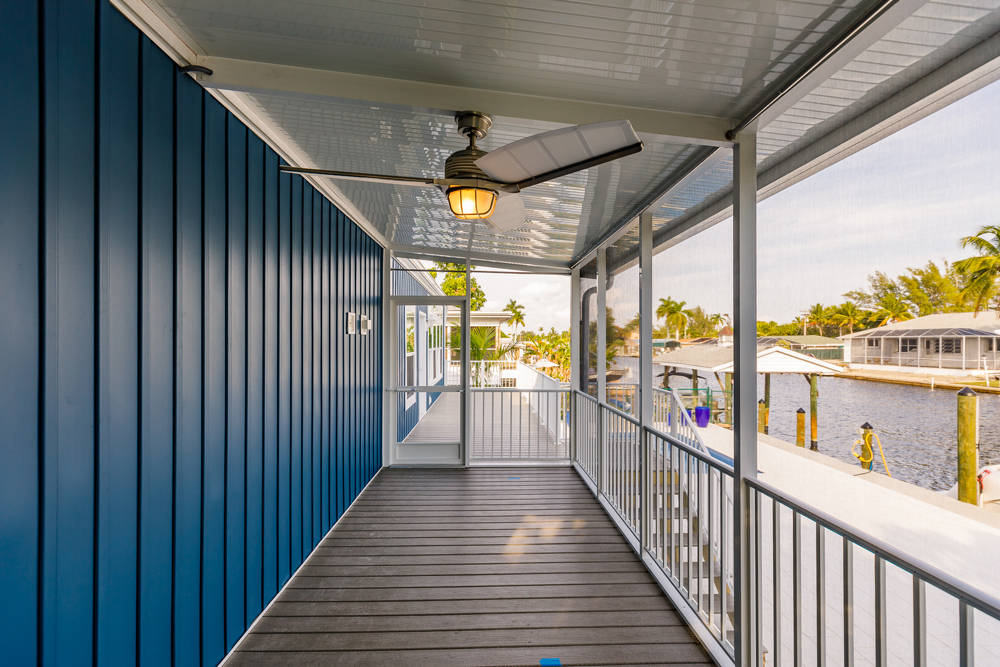
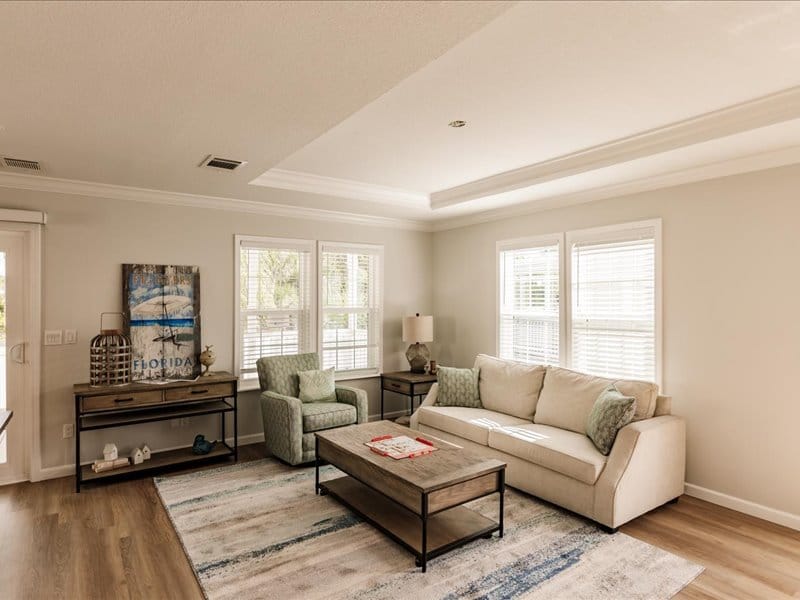
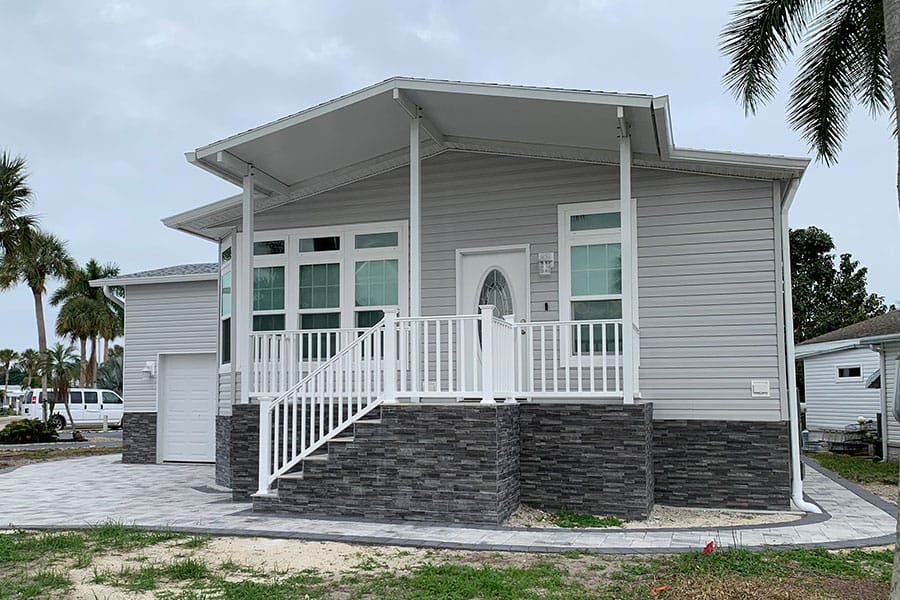
Modular living can make sense for buyers who need more flexibility
LeeCorp Homes highlights modular housing as an important option for buyers who need a home that fits a specific property, meets local building requirements, or supports a more customized plan for Florida living. The company also emphasizes replacement homes, waterfront-friendly design direction, accessibility options, and full project support as major strengths.
Why Buyers Consider Modular Homes in Florida
Modular homes appeal to buyers who want a modern home with strong design flexibility and a practical approach to building. In many cases, modular construction becomes part of the conversation because of the property itself. Some buyers are dealing with land that is not suited to a standard manufactured housing route. Others want a home that better aligns with local zoning, site conditions, or long-term planning goals. LeeCorp Homes notes that modular homes can be placed in areas not zoned for manufactured housing, which makes the zoning discussion especially important before installation begins.
That distinction matters because it changes how buyers should evaluate the overall project. A modular home is not just about square footage or curb appeal. It is also about whether the home fits the land, whether it supports the intended use, and whether the construction method aligns better with what the property requires. Buyers who are still comparing options can also review manufactured homes in Florida to understand where the two paths start to separate.
Common reasons modular housing moves to the top of the list
- The property may be better suited to modular construction than to manufactured housing
- The buyer wants more control over layout, appearance, and overall design direction
- The home is being planned for private land rather than community placement
- The project involves replacement, rebuilding, or a more tailored homesite strategy
- The buyer wants to think carefully about long-term livability before making a final choice
Florida decisions usually become easier when the lot is part of the discussion early
Some buyers fall in love with a floor plan before they fully understand the property. Others focus on the lot and delay the home conversation too long. The best decisions usually happen in the middle, where both are evaluated together. That is especially true for buyers looking at larger lots, unique access conditions, or custom exterior details that need to work with the site.
What LeeCorp emphasizes most
Custom direction
LeeCorp highlights personalized design, homesite evaluation, and close guidance throughout the process.
Replacement projects
Replacement homes remain a major focus, especially for buyers who want a stronger, more attractive update to an older home.
Turn-key support
The company describes an in-house approach that includes major finishing and installation support through LCH Enterprises.

Modular Homes in Florida for Replacement, Private Land, and Custom Planning
Replacement projects are a major reason buyers start looking at modular housing. LeeCorp Homes specifically points to replacement homes as one of its specialties, describing how older homes can be removed and replaced with stronger, more energy-efficient, better-looking modern options. That message is important because many Florida buyers are not starting from an empty lot. They are often replacing an aging home, rebuilding after storm damage, or trying to make better use of a homesite they already own.
Modular homes can also be a strong fit for buyers who want a more custom direction from the start. LeeCorp notes that it works with waterfront settings, elevated designs, and accessibility-minded planning, including ADA-compliant layouts and exterior features such as ramps when needed. Buyers who are comparing elevated living should also spend time with the company’s information on stilt homes and the related article about the benefits of stilt homes.
Modular homes in Florida work best when the planning is realistic
Buyers usually get the most value from the process when they define their goals clearly from the start. Is the home replacing an older structure? Is the lot straightforward or more complex? Does the location call for a specific exterior approach? Are accessibility features important now or likely to matter later? Answering those questions early helps narrow down the right direction and keeps the project moving with fewer surprises.
How Modular Homes Compare With Other Florida Home Options
Florida buyers often compare modular construction with both manufactured housing and traditional site-built routes. That comparison becomes more useful when it is grounded in the property and the intended use. Manufactured homes can be an excellent fit in many situations, which is why LeeCorp offers both options, but modular construction may be the better choice when local placement requirements or zoning make that route more practical.
| Consideration | Modular homes | Why buyers pay attention to it |
|---|---|---|
| Property fit | Often chosen when the lot or local requirements point toward modular construction | The homesite can shape the right path as much as the floor plan itself |
| Design flexibility | Strong option for buyers wanting a customized layout or tailored exterior approach | Customization affects how the home fits both lifestyle and location |
| Replacement use | Frequently considered when replacing an older home with a stronger modern design | Replacement buyers often need a practical rebuild strategy that improves livability |
| Florida-specific planning | Important for lots with unique access, waterfront conditions, or special layout needs | Site conditions can influence everything from design choices to setup planning |
If you are still deciding between the two, it helps to compare this content with LeeCorp’s broader guide to manufactured homes in Florida so the difference in use case becomes clearer.
Do not skip the zoning conversation
LeeCorp advises buyers to verify the zoning classification of their land with the county before moving ahead with installation. That is one of the most useful pieces of practical guidance on the current site because zoning can change the direction of the project quickly. Buyers who are still looking for a homesite can also review the land and lot search information before narrowing down a home.
What to Review Before Choosing a Modular Home
Property and placement checklist
- Lot dimensions, access, and overall site readiness
- County and local requirements that may affect the project
- Whether the home is replacing an existing structure
- Utility planning, grading, and setup expectations
- Whether the location suggests an elevated or waterfront-minded design approach
Home and layout checklist
- How many bedrooms, baths, and living areas are truly needed
- How often guests will stay and how much entertaining space matters
- Whether accessibility features should be considered now
- Which finish upgrades matter most and which can stay simple
- Whether the chosen layout still makes sense after accounting for the property itself
Why layout and lot should be reviewed together
A beautiful design can still be the wrong fit if it does not work with the homesite. In the same way, a great property can lead to poor results if the selected home ignores access, orientation, views, privacy, or future needs. Buyers who slow down long enough to review both together usually make stronger long-term decisions.
Video: A Closer Look at LeeCorp Homes
For buyers who want a better feel for the company before reaching out, this video gives added context around the team and the overall buying experience. It works well alongside the written information here, especially if you are still narrowing down whether modular construction is the right fit for your Florida property.
Modular homes in Florida can be a strong fit for buyers who want:
- A home that better matches local requirements or land conditions
- A replacement strategy for an older or storm-damaged home
- More freedom around layout and personalization
- Project support that carries through design, setup, and finishing
- A practical route for waterfront, golf course, or uniquely positioned lots
Helpful reading while you compare options
You can also review the company’s resources on installation in Florida, hurricane readiness, insurance protection, and warranty coverage to round out the bigger picture.
How the Buying Process Usually Unfolds
LeeCorp describes a hands-on approach that starts with homesite evaluation and continues through personalized design choices, installation support, and final move-in coordination. Buyers who want a more detailed overview can also review the company’s 10-step process, but the outline below helps explain how most modular projects tend to move forward.
Review the property
Clarify where the home will go, what the lot requires, and whether zoning or placement conditions suggest modular construction.
Narrow down the right layout
Focus on room count, daily flow, guest use, accessibility needs, and how the home should feel long term.
Refine design and project scope
Work through selections, exterior considerations, and any features needed to fit the homesite or lifestyle better.
Move into installation planning
Finalize the practical details so the project can move ahead with better clarity and fewer surprises.
Personal guidance matters more when the project is more customized
The current modular content emphasizes personal attention, homesite evaluation, and close professional guidance throughout the process. That is especially valuable on modular projects because the best results usually come from aligning the home, the lot, and the design choices early instead of treating them like separate steps.
Why LeeCorp Homes Stands Out for Modular Homes in Florida
LeeCorp Homes presents several clear strengths that matter to modular buyers. The company points to its family-owned history since 1983, a reputation for personal service, a strong focus on replacement homes, design help for waterfront and golf course settings, accessibility-minded solutions, and full support through LCH Enterprises for installation and finishing work. Those details matter because buyers are not just choosing a home. They are choosing the team that will help guide the project from the early questions through final completion.
Family-owned experience
LeeCorp highlights its long history in Florida and a service-first approach that buyers often value on more detailed projects.
Replacement home expertise
Older home removal and replacement is one of the clearest recurring strengths in the current content.
Customized support
Personalized layouts, accessibility-related features, and location-conscious design all point to a more tailored process.
Florida coverage and local access
The current content also notes expanded service into Port Charlotte, North Port, Venice, Englewood, Nokomis, Osprey, Sarasota, and surrounding areas, along with a North Port office staffed by experienced specialists. Buyers can learn more about the company’s physical locations by visiting the Estero office and the North Port office.
Frequently Asked Questions About Modular Homes in Florida
Are modular homes allowed in places where manufactured homes may not be?
Yes. LeeCorp notes that modular homes can be placed in areas not zoned for manufactured housing, which is why zoning should be verified with the county before installation begins.
Are modular homes a good fit for replacement projects?
Yes. Replacement homes are described as one of LeeCorp’s specialties, especially for buyers replacing older homes with stronger, more energy-efficient modern options.
Can modular homes in Florida be customized for accessibility or location needs?
Yes. LeeCorp highlights ADA-compliant design options, ramps, custom exterior features, and planning for waterfront or scenic homesites.
Should I compare modular and manufactured homes before choosing?
Yes. Many buyers benefit from comparing both options because the better fit often depends on zoning, the homesite, design goals, and how the property will be used. A helpful starting point is LeeCorp’s guide to manufactured homes in Florida.
What is the best next step if I am considering a modular home?
Start by clarifying the property, the likely layout you need, and whether this is a new project or a replacement home. From there, it makes sense to review the buying process and then contact LeeCorp Homes with your location and goals.
Ready to Explore Modular Living With More Clarity?
If you are seriously considering a modular home, the smartest next move is to match the home to the property and the lifestyle you actually want, not just the square footage on paper. Start by reviewing the land and lot search information, the company’s 10-step process, and the broader guide to manufactured homes in Florida. From there, use the contact page to share what kind of lot, location, or replacement plan you have in mind so the next conversation starts from a useful place.