
Manufactured Homes in Florida: Floor Plans, Pricing, and Smart Buying Guidance
Manufactured homes in Florida continue to attract buyers who want flexibility, strong design options, and a more efficient path to homeownership. Whether you are comparing layouts, planning for private land, exploring community living, or looking for coastal-friendly construction, LeeCorp Homes offers practical guidance, quality-built homes, and clear next steps. Buyers can start with the LeeCorp Homes homepage, explore available manufactured home floor plans, or reach out directly through the contact page for help narrowing down the right fit.
Florida buyers are not all looking for the same thing. Some want a compact low-maintenance home in a managed community, some need more bedrooms and open living areas for seasonal guests, and others need a home that works well near the coast, on golf course lots, or on private property with specific setup requirements. The goal is not just finding a home that looks good in photos. The goal is choosing a home that fits how you plan to live, where you plan to place it, and what matters most over the long term.
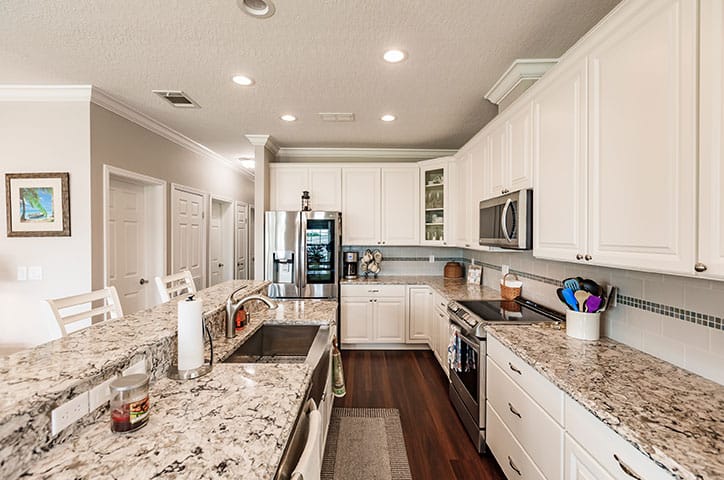
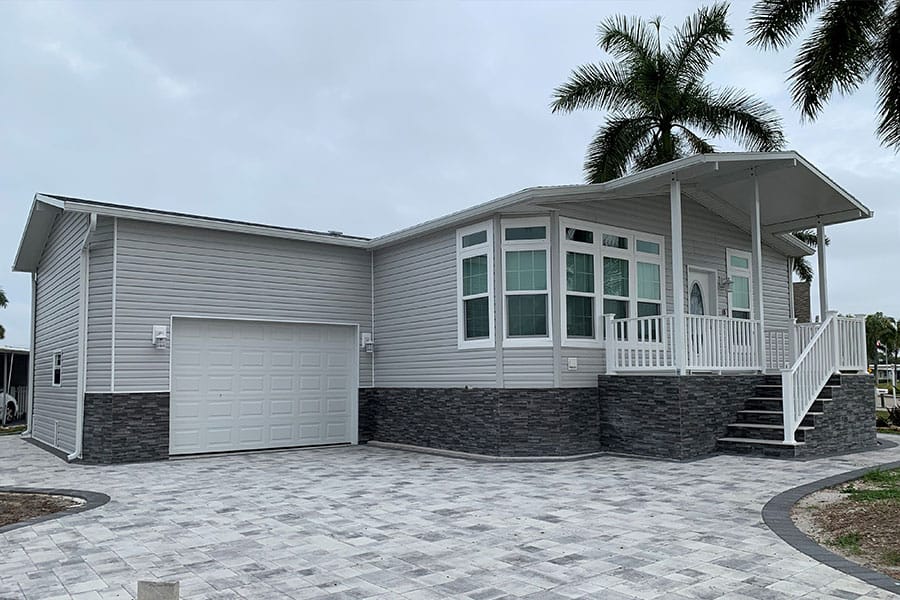
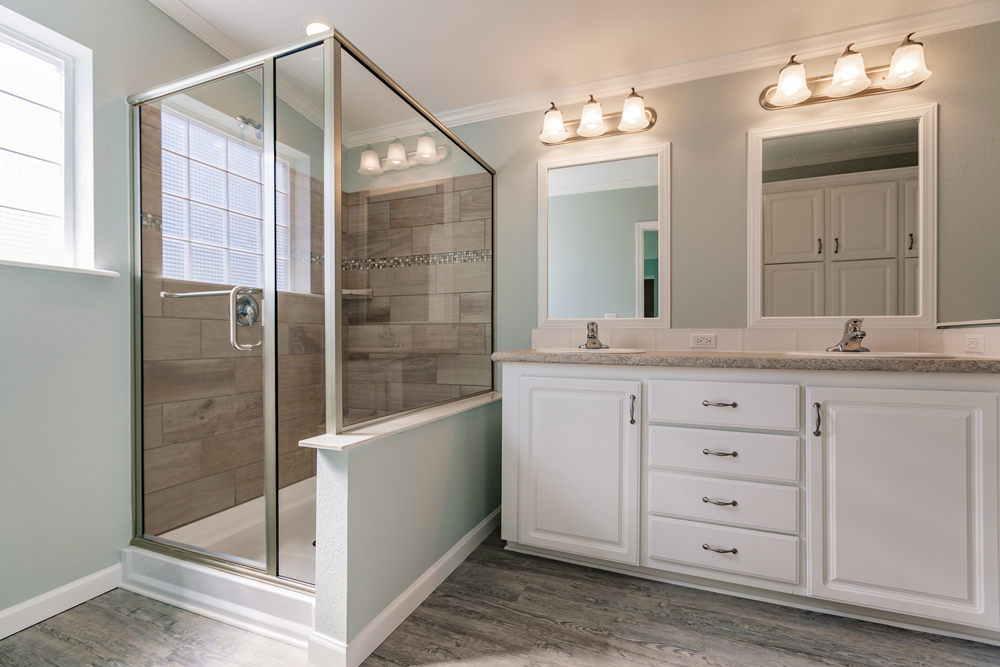
What Buyers Usually Want to Know First
Most buyers start with the same core questions: what sizes are available, how pricing changes based on customization, where a home can be placed, how setup works, and what makes sense for Florida weather. This guide brings those topics together while also connecting you to helpful resources on modular homes in Florida, land and lot search options, area parks and communities, and the step-by-step buying process.
Why Manufactured Homes Continue to Be a Strong Fit in Florida
Florida is one of the most active markets for manufactured housing because buyers value design flexibility, efficient construction timelines, and the ability to choose from a broad range of sizes and layouts. For some buyers, the appeal is affordability relative to many site-built alternatives. For others, it is the ability to choose a home that supports seasonal living, retirement goals, guest accommodations, or a simpler everyday lifestyle without giving up comfort.
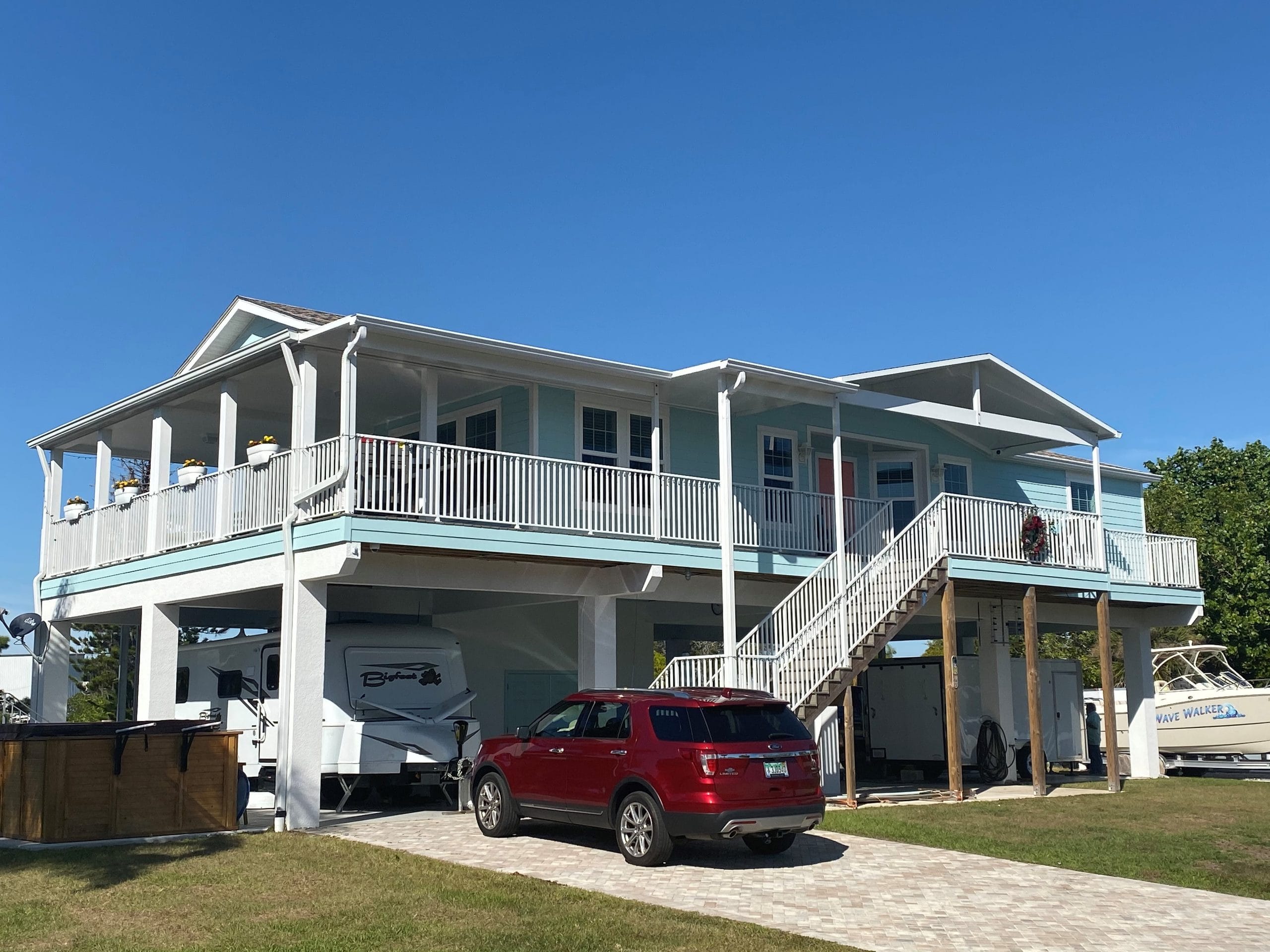
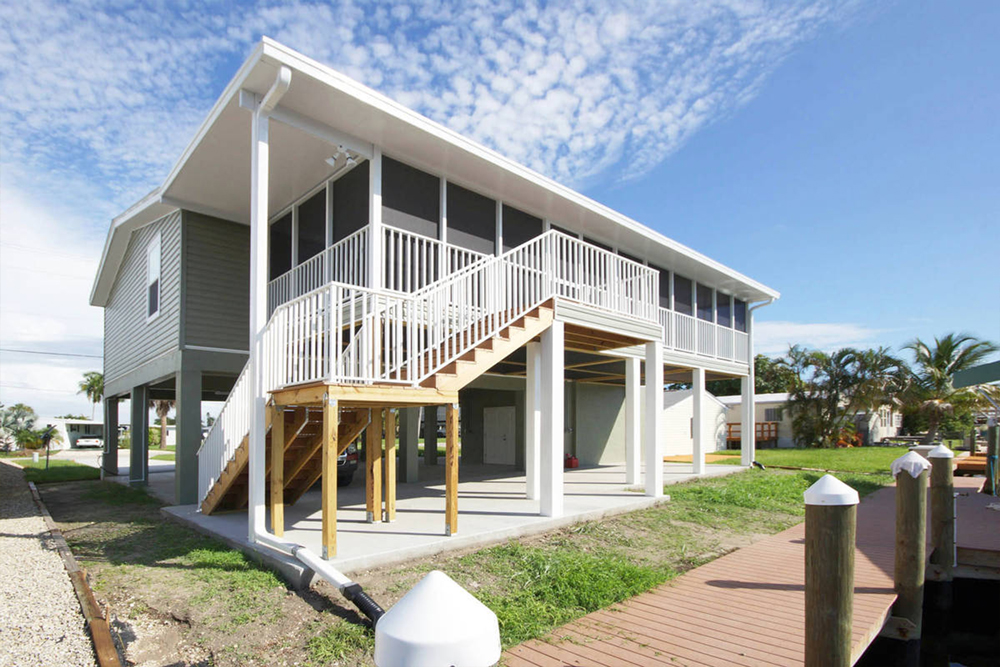
Another reason manufactured homes in Florida offer strong advantages is the range of placement possibilities. Some homes work well in managed communities with established amenities. Others are selected for private lots where buyers want more control over views, access, and surrounding space. Buyers near the coast may also need to consider elevation, lot conditions, and home style much earlier in the process, which is why homes designed for elevated living and stilt construction often come up in Florida conversations sooner than people expect.
Common reasons buyers choose this route
- Multiple floor plan options with different bedroom, bath, and living area combinations
- Streamlined decision-making compared with many traditional custom-build paths
- Flexibility for private land, waterfront settings, and community placement
- Open layouts that work well for full-time residents and seasonal owners
- The ability to compare practical features, design finishes, and long-term livability before moving forward
Florida buyers often compare more than one lifestyle at the same time
It is common for buyers to start by looking for a straightforward home and then realize their best option depends on where the home will be placed. A home that works beautifully in a resort-style community may not be the right fit for a narrow lot, a golf course setting, or a coastal property with more elevation considerations. That is why it helps to review both the home and the location together instead of treating them as separate decisions.
At a glance
Helpful next steps
- Review model choices to compare sizes and layouts.
- Explore communities if you are not placing the home on private land.
- Contact LeeCorp Homes to talk through timing, placement, and model fit.
Manufactured Home Prices in Florida
Pricing is one of the first topics buyers want to understand, but it is also one of the easiest areas to oversimplify. In Florida, pricing can shift based on home size, floor plan complexity, finish level, delivery distance, site conditions, utility coordination, location requirements, elevation needs, and whether the home is being placed on private land or within a community. Instead of focusing on a single number, it is more useful to understand what typically moves the total investment up or down.
Buyers comparing home costs in Florida usually benefit from separating the conversation into two parts: the home itself and the work surrounding placement. The home price covers the selected model, structural design choices, and interior features. Placement-related costs can include land prep, utility coordination, grading, permits, skirting, steps, driveways, elevation factors, and other site-specific needs. That is why two homes with similar square footage can have very different total project numbers once setup details are involved.
| Pricing factor | What it affects | Why it matters in Florida |
|---|---|---|
| Square footage and layout | Base home cost, materials, finish scope | Larger footprints and more complex layouts can increase transportation, setup, and finishing needs |
| Customization level | Cabinetry, fixtures, finishes, built-ins, design choices | Florida buyers often want features that support long stays, entertaining, or coastal-style living |
| Placement type | Site prep, approvals, utility coordination | Private land and community placement can involve very different requirements |
| Coastal or elevated needs | Foundation approach, elevation strategy, structural considerations | Waterfront and flood-prone areas often involve additional planning |
| Location logistics | Delivery, access, local rules, scheduling | Route access, lot conditions, and jurisdictional differences can affect the final scope |
The most useful way to compare cost is to look at the full picture, not just the base home number. Buyers who begin with floor plans often make faster progress because they can narrow down the right size and design before getting deeper into site details.
What helps buyers keep the budget more predictable
- Choosing the right size and layout early rather than revising late in the process
- Reviewing land or community requirements before finalizing the home
- Clarifying which features are must-haves versus optional upgrades
- Asking how access, grading, utilities, and elevation may affect total scope
- Using real model comparisons from the current model lineup and the broader floor plan gallery
Cost conversations are usually easier after layout conversations
Buyers often start by asking for a number, but better answers usually come after narrowing down the kind of home that fits the lot and the lifestyle. A compact two-bedroom home, a wider open-concept layout, or a more elevated coastal design may all lead to very different decisions. Starting with use case first helps pricing become more realistic and more useful.
Manufactured vs Modular Homes in Florida
Florida buyers regularly compare manufactured and modular homes because both can offer attractive layouts, modern finishes, and efficient construction methods. The difference is not just appearance. It comes down to how the home is built, which standards apply, how it is delivered, and what makes the most sense for the placement plan.
Manufactured homes are built to HUD standards and transported to their final location. Modular homes are built in sections to state and local building codes and then assembled on-site. That distinction can affect timelines, placement, financing conversations, and what works best for a specific property. If you want a deeper side-by-side review, LeeCorp Homes already has a detailed resource on modular homes in Florida and a comparison article on the difference between manufactured and modular homes.
Questions worth asking before choosing between the two
- Where will the home be placed and what rules apply there?
- How important are delivery style, setup logistics, and timeline?
- What layout, square footage, and finish level are most important?
- Are you buying for full-time use, seasonal use, retirement, or guest accommodations?
For many Florida buyers, placement decides the better option
Two homes can look similar in photos and still be very different choices once lot conditions, approvals, community rules, or waterfront considerations come into play. That is why it makes sense to compare both the home and the placement plan together before moving too far down one path.
Where Manufactured Homes Can Be Placed in Florida
One of the biggest advantages of manufactured housing is flexibility, but flexibility does not mean every property works the same way. Florida placement decisions depend on local requirements, access conditions, utility planning, land readiness, community standards, flood-related considerations, and how the buyer wants to use the property. Some buyers already own land. Others are still deciding between community living and private placement. Both approaches can work well when the details are reviewed early.
Private land
Private land can give buyers more control over surroundings, views, spacing, and long-term use, but it also requires more early review. Buyers need to consider zoning, setbacks, utility needs, access, grading, and whether the lot is suitable for the selected home. LeeCorp Homes provides helpful information for buyers who are still exploring land and lot search options and who want a better understanding of what to review before moving forward.
Managed communities and parks
Community living remains a popular option in Florida because it can simplify some parts of the process while also offering established surroundings and amenities. Buyers comparing this route can review community options and the larger list of area parks to see what aligns with their budget, lifestyle, and preferred location.
Waterfront and coastal settings
Florida buyers drawn to coastal or waterfront property need to think beyond the floor plan itself. Elevation, lot position, views, and environmental conditions can influence the kind of home that makes the most sense. That is one reason elevated designs continue to draw interest, especially for buyers reviewing waterfront manufactured homes in Florida and looking into stilt home options.
Placement questions that should be answered early
- What are the lot dimensions and access conditions?
- Will the home sit on private land, in a park, or in a managed community?
- What utility, grading, or site-readiness steps should be expected?
- Does the setting make elevated living worth discussing sooner rather than later?
- Will the selected floor plan work well with the property and lifestyle goals?
Manufactured Home Floor Plans Available in Florida
Florida buyers do not all want the same footprint, which is why floor plan variety matters. Some want compact homes that are easy to maintain and ideal for seasonal living. Others need larger living rooms, additional bedrooms, split-bedroom layouts, or space that feels comfortable for full-time residency and entertaining. LeeCorp Homes provides a broad set of options through its manufactured home floor plans, along with individual models that make it easier to compare dimensions, living areas, and overall flow.
Layout styles buyers often compare
Compact and efficient homes
These are often appealing for low-maintenance living, downsizing, snowbird use, or simpler lot placement situations.
Open-concept multi-bedroom homes
These are popular for buyers who want room to host guests, enjoy larger kitchens, or create a more spacious everyday layout.
Specialty designs for location and lifestyle
Some buyers need a home that fits a specific lot shape, a coastal plan, or a more elevated design direction that aligns with the property itself.
Examples worth reviewing
How to compare floor plans more effectively
- Start with how many people will use the home regularly
- Think through guest needs, storage, and entertaining space
- Consider whether the home will be on private land or in a community
- Match the floor plan to how much maintenance you want long term
- Review dimensions and flow, not just total square footage
Buyers who are still deciding can use the models overview and the searchable floor plan collection to narrow things down before speaking with the team. That usually makes the next conversation much more productive.
Interior design matters after move-in day too
It is easy to focus only on bedroom count and square footage, but buyers tend to be happiest when they also consider kitchen workflow, daylight, traffic flow, furniture placement, and whether the layout still feels right after the novelty wears off. Features that look small in a plan can make a very real difference in daily comfort.
Popular Areas for Manufactured Home Buyers in Florida
Florida is a broad market, but buying conversations often become more practical when you break them down by region and lifestyle. Some buyers want established Southwest Florida locations close to water, golf, or retirement-focused living. Others are just beginning their search and want to understand how location influences floor plan choices, placement options, and home style.
Southwest Florida
Southwest Florida remains one of the strongest areas for buyers comparing manufactured homes because it offers a mix of private-land opportunities, community living, coastal appeal, and active adult demand. Buyers can learn more about LeeCorp’s local guidance in Estero and North Port, while also reviewing area-specific community options like Corkscrew Woodlands, Imperial Bonita Estates, and Imperial Harbor.
Common priorities in this region
- Access to coastal and inland lifestyle options
- Interest in both communities and private land
- Layouts that support seasonal living and visiting family
- Designs that feel bright, open, and easy to maintain
Other Florida regions
Across the state, buyers often compare homes based on weather exposure, land availability, retirement plans, second-home goals, and how much setup support they may need. Even when the final purchase happens in Southwest Florida, statewide buyers often begin with a broader search for the right building lot, land package considerations, and whether they want a home designed around coastal, inland, or community-based living.
What location changes most
- Placement logistics and access
- Site-readiness planning
- Whether elevated construction is worth discussing
- How the home will be used throughout the year
Buying a Manufactured Home in Florida
Buying a home feels more manageable when the process is broken into clear stages. Florida buyers usually move forward faster when they begin with the home style and intended placement, then work through setup details with realistic expectations. LeeCorp Homes already outlines a practical 10-step process, and the overview below helps tie those steps into the broader decision-making process buyers often experience.
Define the lifestyle fit
Start with the basics: full-time or seasonal use, preferred bedroom count, desired living area, and whether you need a compact home or something larger for entertaining.
Choose likely floor plans
Use the floor plan collection and model lineup to compare dimensions, layout flow, and practical livability.
Review placement early
Private land, community rules, utilities, access, and site-readiness can affect the decision as much as the home itself.
Move into setup planning
Once a home and placement direction are clearer, the next conversations become much more useful and much easier to budget.
Why the order matters
Buyers sometimes think they need every setup detail first, but most of the best decisions happen after narrowing down likely floor plans and placement scenarios. That gives the conversation structure. It also prevents buyers from comparing too many options that were never realistic for the intended location in the first place.
Helpful supporting resources during the process
For placement and property planning
Review land and lot information, area park options, and location details for Estero and North Port.
For layout and model comparison
Use the Manatee, Islander, Dolphin, and other model pages to compare real examples more closely.
For questions and next steps
If you already have a likely location and size range in mind, the quickest move is usually to contact LeeCorp Homes with those details so the conversation starts from a more useful place.
Are Manufactured Homes Built for Florida Weather?
Florida weather is a real consideration, and buyers are right to ask about durability, construction standards, and how different locations may affect design decisions. Manufactured homes are built to federal HUD standards, and the details that matter most often depend on where the home will be placed, what the lot conditions are, and whether elevation should be part of the plan.
Buyers concerned about storms, insurance, and long-term resilience should review LeeCorp Homes resources on hurricane readiness, insurance protection, and warranty coverage. For buyers drawn to waterfront settings or more exposed coastal areas, elevated and stilt home options can be especially important to compare early.
Florida weather factors worth discussing
- Wind exposure and location-specific site considerations
- Elevation needs for certain coastal or waterfront properties
- Water management and long-term lot conditions
- Insurance expectations and documentation questions
- Home style choices that better align with the property itself
For general preparedness guidance, buyers can also review information from the Federal Emergency Management Agency when learning about broader storm readiness and resilience planning.
Financing, Insurance, and Long-Term Ownership Questions
For most buyers, choosing the home is only one part of the decision. Financing, insurance, maintenance, and long-term value all matter too. The most useful conversations happen when buyers treat these issues as part of the overall ownership picture rather than as separate items to figure out later.
Financing conversations often depend on the full scenario
Financing details can vary based on the home, the land situation, and how the home will be titled or placed. Buyers who are early in the process can still make progress by narrowing down likely floor plans and clarifying whether they are considering private land, community placement, or a more coastal property type. That gives lenders and advisors a better starting point than a broad question with no home or site direction behind it.
Insurance becomes easier to discuss when placement is clearer
Insurance needs can vary by location, weather exposure, home type, and how the property will be used. Buyers can get more value from the process by reviewing general information on manufactured home insurance and then asking more specific questions once they know where the home will be placed.
Long-term value is usually tied to fit, not just features
Buyers sometimes assume that value depends mostly on square footage or upgrades, but long-term satisfaction often has more to do with choosing the right layout for the property and the intended lifestyle. LeeCorp Homes also has helpful reading on how value changes over time and how resale value works, which can be useful for buyers thinking beyond the immediate purchase.
Popular Questions Florida Buyers Ask Before Making a Decision
Questions that help narrow choices faster
- How much space do I really need for full-time or seasonal living?
- Would I rather place a home on private land or in a community?
- Do I want a simple layout, a more open design, or something built around entertaining?
- Will the lot or location make elevation part of the conversation?
- What level of finish and customization actually matters to me?
Helpful resources to review next
Explore Manufactured Homes in Florida With Clearer Direction
If you are ready to compare layouts, narrow down likely models, and talk through location or placement considerations, start by reviewing the available floor plans, browsing the model collection, and checking nearby options in Florida communities. Buyers who want local guidance can also learn more about the team in Estero and North Port. When you are ready for a more direct conversation, use the contact page and include what kind of home, lot, or location you are considering.
The best next step is usually not trying to answer every question at once. It is choosing the right floor plan direction, identifying the likely placement path, and then moving forward with better information.
Frequently Asked Questions About Manufactured Homes in Florida
How much do manufactured homes in Florida usually cost?
Pricing depends on the home size, layout, finish selections, delivery and setup conditions, utility coordination, and whether the home is being placed on private land, in a community, or in a more complex coastal setting. The most useful pricing conversations usually happen after narrowing down likely floor plans and placement options.
Can manufactured homes be placed on private land in Florida?
Yes, many buyers place manufactured homes on private land, but the suitability of a lot depends on local requirements, access, utilities, and site-readiness factors. Buyers who are still exploring properties can review land and lot search information before moving forward.
What is the difference between manufactured and modular homes in Florida?
Manufactured homes are built to HUD standards and transported to the final site, while modular homes are built in sections to state and local building codes and then assembled on-site. Buyers who want a fuller comparison can review modular homes in Florida for more detail.
Are manufactured homes a good fit for Florida weather?
They can be, especially when the home and placement plan are chosen with the location in mind. Buyers should consider exposure, elevation needs, lot conditions, insurance questions, and whether a coastal or waterfront setting makes options like stilt homes worth discussing.
Where should I start if I am comparing homes right now?
A good place to begin is the floor plan collection and the model lineup. Once you have a likely size range and location direction, it becomes much easier to talk through pricing, setup, and next steps.