
Wondering do manufactured homes lose value over time is one of the most practical questions any buyer can ask before signing anything. The short answer is: it depends, and the full picture is far more encouraging than outdated stereotypes suggest. Modern manufactured homes built to federal HUD standards can hold their value, retain strong market appeal, and in the right conditions, appreciate just like site-built homes. What drives the difference comes down to land ownership, construction quality, placement strategy, and how the home is titled and maintained over the years.
For buyers in Southwest Florida, this question carries additional weight. The region has seen consistent population growth, tightening land inventory, and sustained housing demand, conditions that create a more favorable backdrop for manufactured home value stability than most other markets in the country. Understanding how depreciation actually works, and what steps can work against it, puts you in a significantly stronger position as a buyer or long-term homeowner.
Understanding How Manufactured Homes Lose Value Over Time
Manufactured home depreciation refers to a decline in market value over time, and its history is closely tied to how these homes were built and classified in previous decades. Older mobile homes, pre-HUD code construction, and homes titled as personal property developed a reputation for losing value quickly. That reputation has not kept pace with how dramatically the industry has changed.
Since the U.S. Department of Housing and Urban Development introduced and refined the HUD Code, manufactured homes must meet strict federal standards covering construction, fire safety, energy efficiency, and structural integrity. These are not optional benchmarks. Every home produced in a factory must pass inspection before it leaves the facility. That regulatory foundation has changed the long-term performance profile of manufactured homes considerably.
Depreciation today is not inevitable. It results from specific, identifiable conditions, and many of them are within a buyer's control. The core factors that determine whether a manufactured home gains or loses value include:
- Whether the home is titled as personal property or converted to real property
- Land ownership structure, whether the lot is owned or leased
- Construction quality and materials at the time of purchase
- Location, local demand, and surrounding market trajectory
- Ongoing maintenance and exterior upkeep
- Proximity to amenities, waterfronts, or desirable communities
Personal Property vs. Real Property: Why the Distinction Matters
One of the most overlooked factors in manufactured home value is how the home is legally classified. A home titled as personal property, similar to a vehicle, is not treated the same way as real estate by lenders, appraisers, or the tax system. That classification alone can accelerate depreciation and limit financing options when you eventually sell.
When a manufactured home is permanently installed on a permanent foundation and the title is converted to real property, it enters the same legal category as a site-built home. This opens access to conventional mortgage financing, a much broader pool of future buyers, and value trends that more closely mirror traditional real estate. In many cases, this single step has a larger impact on long-term value than any upgrade or renovation a homeowner could make after the fact.
How Land Ownership Changes the Equation
A manufactured home on leased land in a park setting is subject to external variables the homeowner cannot control. Lot rent increases, park ownership transitions, zoning changes, and the overall condition of the surrounding park all affect resale value and marketability. When conditions around the park decline, the home typically follows.
A manufactured home on privately owned land tells a fundamentally different story. The land itself holds and often appreciates in value, particularly in a market like Southwest Florida where developable land is increasingly scarce. That land component acts as a counterbalance to any structural depreciation, and in many cases the total property value increases even as the home ages. If you are evaluating placement options, the lot and land search tool is a useful starting point for available parcels in the area.
Do Manufactured Homes Lose Value the Same Way Cars Do?
The car comparison gets applied to manufactured homes constantly, and it deserves a direct response. Cars depreciate the moment they leave the dealership because they are consumable goods with limited lifespans and no land component attached. Manufactured homes are fundamentally different.
A manufactured home placed on owned land includes real estate in the value equation. Land does not depreciate. Infrastructure, school access, proximity to employment centers, and lifestyle amenities all influence land value independent of the structure sitting on it. As long as the home is well maintained and properly sited, the total property can appreciate even when the structure alone might technically show some depreciation on paper.
Buyers who explore the full range of available options at LeeCorp Homes often find that the combination of modern construction, strategic siting, and owned land creates a very different financial picture than the car analogy implies.
Do Manufactured Homes Lose Value Over Time in Southwest Florida?
In the Southwest Florida market specifically, value dynamics for manufactured homes are more favorable than in many other regions. Population migration into Lee and Charlotte counties continues at a steady pace, housing inventory remains constrained, and demand for accessible ownership options keeps manufactured homes competitive with other housing categories.
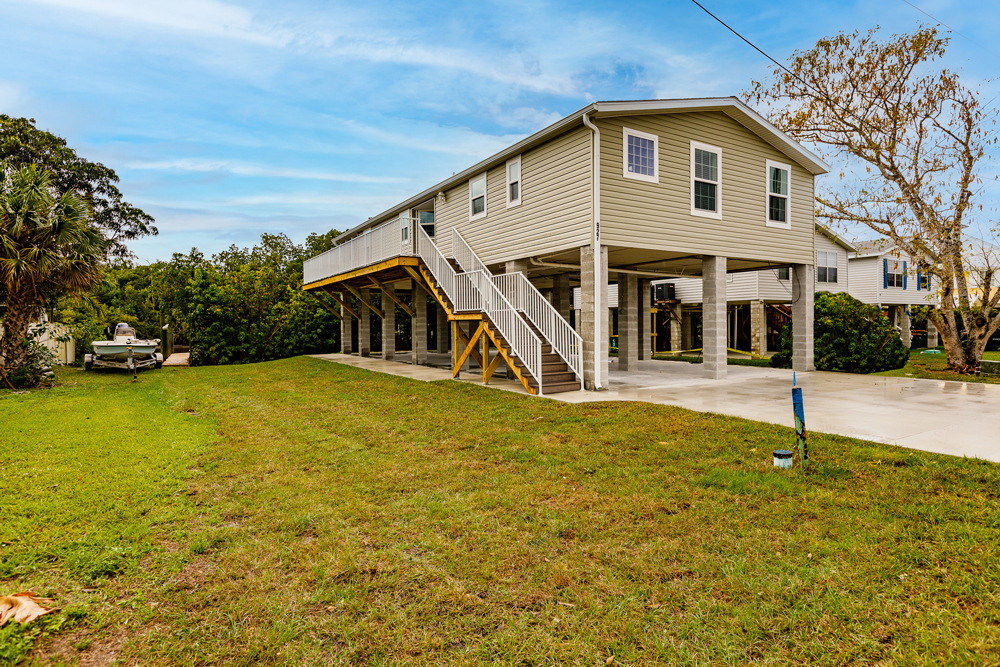
Homes placed near waterfronts, golf courses, or established communities hold their value particularly well. Elevated and stilt-style manufactured homes in coastal zones have become increasingly attractive to buyers looking for both lifestyle appeal and storm-resilient construction. The elevated and stilt homes page covers how those designs are engineered for Florida's specific demands.
Buyers in the Estero and Bonita Springs corridor or further north toward North Port and Port Charlotte are operating in areas with sustained housing demand. Visiting a model center in person, such as the Estero model center or the North Port sales office, gives you a hands-on look at modern construction quality before you commit to anything.
Construction Quality and Its Direct Role in Value Retention
Not all manufactured homes are built the same way, and construction quality has a direct relationship with how well a home holds its value. Homes built with better materials, tighter quality control processes, and stronger structural systems last longer, require less maintenance, and stay more attractive to future buyers over a longer window of time.
Modern manufactured homes include features that were simply not available even ten to fifteen years ago: energy-efficient window systems, improved roof pitch options, reinforced wall assemblies, and exterior finishes designed to hold up against Florida's heat, humidity, and storm seasons. A closer look at what top-tier construction standards look like in a manufactured home shows how far the industry has evolved from the mobile home era most buyers still picture.
Homes engineered to withstand Florida's weather are also more likely to maintain their structural integrity over time, reducing long-term maintenance costs and keeping the home insurable and financeable. For a deeper look at how modern manufactured homes are built for Florida conditions, the hurricane construction standards blog covers the engineering details worth knowing.
Newer Models and Slower Depreciation Rates
Contemporary manufactured home models depreciate more slowly than older ones for several interconnected reasons. Updated construction methods, current safety standards, and layouts that reflect how people actually live today keep newer homes competitive in the resale market for longer periods.
Features that newer models typically include:
- Higher energy efficiency ratings and improved insulation packages
- Wind zone compliance for Florida's coastal and inland building requirements
- Open-concept floor plans and updated interior finish options
- Durable exterior materials with better resistance to UV, moisture, and wind
- Compliance with current HUD code and applicable local building requirements
Because newer homes meet modern buyer expectations, they remain appealing to a wider pool of future purchasers, which directly supports resale value. Browsing current manufactured home floorplans makes it easy to see how today's designs differ from what was available even a decade ago. Individual models like the Starfish, Islander, and Manatee offer detailed layouts and construction specs worth comparing.
Practical Ways to Protect Your Manufactured Home's Value
While some depreciation factors are tied to external market conditions, many of the most important ones are within your direct control. Thoughtful planning before and after purchase can meaningfully influence how your home performs financially over time.
Foundation and Titling
- Install on a permanent foundation
- Convert title from personal property to real property
- Ensure proper site preparation and anchoring
Location and Land
- Choose owned land over leased lots when possible
- Prioritize areas with stable or growing local demand
- Consider proximity to water, amenities, and community quality
Maintenance and Upkeep
- Address roof, siding, and HVAC repairs promptly
- Maintain curb appeal and exterior condition consistently
- Update interior finishes as the home ages and buyer tastes shift
Strategic Upgrades
- Add energy-efficient windows, doors, and insulation
- Invest in durable flooring and kitchen improvements
- Consider carports, sunrooms, or storage shed additions
Upgrades That Support Long-Term Resale Value in Florida
Strategic upgrades help offset depreciation when they prioritize broad market appeal over highly personalized choices. In Southwest Florida, certain improvements carry significantly more weight with buyers than in other regions.
| Upgrade Type | Why It Supports Value | SW Florida Relevance |
|---|---|---|
| Energy-efficient windows and doors | Lowers operating costs, broadens buyer appeal | High — reduces year-round cooling costs |
| Roof system improvements | Protects structure, reduces insurance concerns | High — storm season performance is a priority |
| Kitchen and bathroom updates | Strongest interior return on investment | Moderate to high |
| Elevated or stilt construction | Expands coastal placement options, flood zone compliance | Very high for waterfront or coastal lots |
| Carports, sunrooms, and storage | Adds usable square footage and lifestyle appeal | High — outdoor living is a regional priority |
| Landscaping and exterior care | First impression drives buyer perception strongly | High in all Southwest Florida submarkets |
Long-Term Value: What Smart Buyers Focus On
The question of whether manufactured homes lose value over time is ultimately less important than what you do to influence the outcome. Buyers who choose quality construction, invest in owned land, maintain their homes consistently, and take advantage of favorable market conditions in Southwest Florida often find that their manufactured home performs comparably to site-built alternatives in long-term financial outcomes.
A closer look at how resale markets actually work for manufactured homes is covered in the manufactured home resale value guide, which makes a useful companion read to what is covered here. For buyers still weighing the full range of housing options available across the state, the manufactured homes in Florida overview covers the broader picture of why these homes remain a compelling choice.
Buyers who place their homes within quality communities also benefit from shared infrastructure, management, and neighborhood stability that supports long-term value. Reviewing available manufactured home communities in Southwest Florida is a practical step for buyers weighing community versus private land placement.
Frequently Asked Questions
Do manufactured homes always lose value over time?
No. Manufactured home depreciation is not automatic or guaranteed. Homes placed on owned land, titled as real property, and maintained consistently can hold their value or appreciate over time, particularly in high-demand markets like Southwest Florida where affordable housing supply remains limited.
What causes manufactured home depreciation?
The most common causes include leased land placement, personal property titling, deferred maintenance, older construction standards, and unfavorable local market conditions. Many of these factors can be addressed by a buyer before or shortly after purchase through strategic decisions around siting, titling, and upkeep.
Does a manufactured home on owned land hold its value better?
Yes, significantly. When a manufactured home is placed on privately owned land and titled as real property, the land itself contributes to total property value. Land does not depreciate the way structures can, which means the land component helps offset or even eliminate net value loss over time.
Do newer manufactured homes depreciate slower than older ones?
Generally yes. Modern manufactured homes are built to updated HUD standards with better materials, improved energy efficiency, and contemporary designs that remain appealing to buyers for longer periods. This broader buyer appeal supports stronger resale value compared to homes built under earlier standards.
Can I increase my manufactured home's value with upgrades?
Yes. Energy-efficient windows, updated kitchens and bathrooms, durable flooring, improved roofing, and exterior improvements all support long-term value retention. In Southwest Florida specifically, storm-ready features, elevated or stilt construction options, and outdoor living additions tend to be particularly well received by buyers in the resale market.
Is a manufactured home a good investment in Southwest Florida?
For many buyers, yes. The combination of modern construction quality, sustained regional demand, available owned-land opportunities, and flexible design options makes manufactured homes a financially practical and lifestyle-compatible choice throughout Southwest Florida. Visiting a model center, such as the Estero location or the North Port office, is the most direct way to evaluate real options in person.
If you are considering a manufactured home in Southwest Florida, LeeCorp Homes brings over 42 years of experience helping buyers navigate every part of the process, from model selection and customization to full site development and installation oversight. Reach out to the team today to discuss your options, compare available models, or schedule a visit to one of the model centers.

No comment yet, add your voice below!