
Hurricane-Resistant Manufactured Home Construction in Florida
Hurricane-resistant manufactured home construction in Florida is built around one core goal: delivering a home that stands up to severe weather, heavy moisture, heat, and long-term daily use without giving up comfort, style, or flexibility. At LeeCorp Homes, construction quality plays a major role in every build, from the structural system and roofing materials to insulation, anchoring, and final installation.
Today’s manufactured homes are stronger and more refined than many buyers expect. If you are comparing layouts alongside build quality, you can also review manufactured home floor plans, explore broader manufactured homes in Florida, or use the contact page to talk through your lot, wind exposure, or design goals.
Built for Florida weather, engineered for long-term confidence
Modern manufactured homes are designed to meet tougher standards than many buyers realize. In Florida, that means stronger wind-zone performance, smarter material choices, and a build process focused on durability from the inside out.
Why Hurricane-Resistant Manufactured Home Construction in Florida Matters
Florida homes have to handle more than just everyday wear. They have to face high winds, heavy rain, extended humidity, extreme heat, and in some locations, added salt-air exposure. That is why strong construction matters so much. A home built for Florida should not rely on appearance alone. It should be backed by structural systems, materials, and installation methods that are designed for demanding conditions.
For buyers planning a new home, build quality affects more than storm resistance. It also influences comfort, maintenance expectations, energy efficiency, and long-term ownership confidence. When the structure is solid, the rest of the home works better too.
Hurricane-resistant manufactured home construction in Florida starts with the structure
Roof systems, framing, sheathing, insulation, floor assemblies, and anchoring all work together. The strongest results come when these features are treated as part of one overall system rather than isolated upgrades. Buyers comparing homes should pay just as much attention to the build details as they do to the floor plan or finishes.
What buyers care about most
Precision Manufacturing and On-Site Installation
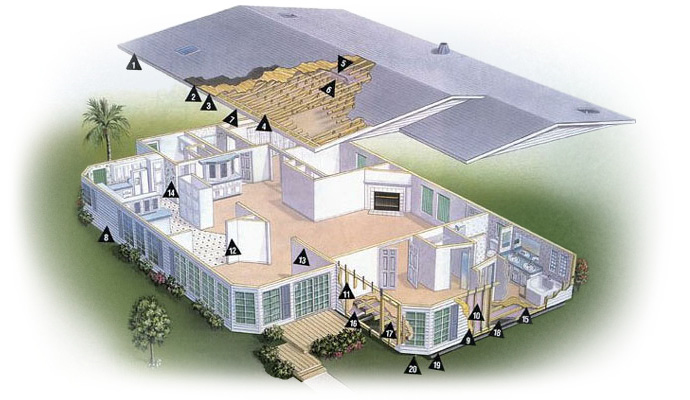
Construction quality comes from the details. The roof assembly, wall systems, flooring components, insulation, and installation methods all influence how well the finished home performs. The specifications below bring those details into a format that is easier to review.
Roof and upper-structure features
- Fiberglass shingle roof with six fasteners per shingle and long-term warranty backing
- Asphalt laminated reinforced shingle underlayment above standard roofing felt layers
- Oriented strand board roof sheathing engineered to resist racking and distortion
- Truss roof rafter system with double rafters near front and rear zones
- Ventilated roof cavity designed to support airflow and moisture control
Walls, siding, and insulation
- Blown cellulose ceiling insulation that is fire retardant and formaldehyde-free
- Insulated flex-duct system sealed for better airflow and efficiency
- Vinyl lap siding designed for durability and weather resistance
- 3/8 inch structural sheathing under lap siding for added support and insulation performance
- Fiberglass exterior wall insulation for stronger thermal performance
Framing and floor construction
- 2 x 6 exterior walls and 2 x 4 interior walls with strong framing layouts
- Double marriage walls to improve structural stability through the center line
- Oriented strand board floor decking with delamination warranty coverage
- Fiberglass blanket floor insulation to improve energy efficiency
- Transverse floor construction using tongue-and-groove floor decking
Steel support and anchoring
- Solid steel I-beam framing for reliable structural support
- Reinforced polyvinyl bottom board to help reduce moisture infiltration and air seepage
- Tie-down connectors including vertical, horizontal, and frame systems
- Installation planning that works with the structure rather than against it
- Site-specific execution that supports safer long-term performance
Specifications can change over time, but the larger takeaway stays the same: stronger roof systems, reinforced framing, better insulation, and secure installation all contribute to a more dependable home.
Materials Built for Florida’s Climate
Florida construction has to account for repeated exposure to heat, humidity, rain, and wind. Material choices matter because weak materials do not just wear out faster. They can also compromise comfort, maintenance expectations, and long-term performance. Homes built with weather-conscious materials and a controlled construction process have a better chance of holding up well over time.
Florida conditions that shape better construction decisions
- High wind exposure in many parts of the state
- Humidity that can affect weak materials over time
- Heavy rainfall and moisture intrusion risks
- Heat that places added demands on insulation and ventilation
- Salt-air exposure for coastal and waterfront settings
Buyers who want to compare other construction paths can also review modular homes in Florida and manufactured homes in Florida while deciding what best fits their lot and priorities.
Engineered for Wind Zone Safety and Stability
Wind-zone performance is one of the biggest reasons buyers should take construction quality seriously. Stronger wall systems, smarter roof assemblies, better sheathing, and more secure anchoring all contribute to the kind of performance Florida buyers are looking for. That is especially important for anyone replacing an older home or building in a more exposed location.
| Construction focus | Why it matters | Buyer takeaway |
|---|---|---|
| Roof system design | Helps resist uplift, distortion, and weather-related wear | Roof construction affects both storm performance and long-term durability |
| Wall and sheathing strength | Supports structural stability and insulation performance | Good wall construction improves both safety and everyday comfort |
| Steel framing and support | Creates a stronger structural base for the home | Better framing helps the home stay stable over time |
| Anchoring and tie-down systems | Critical for installation safety and wind-zone performance | The installation method matters just as much as the build itself |
Build quality should support real-life ownership
A strong home is not just one that looks good at delivery. It is one that keeps performing through changing seasons, storms, humidity, and everyday use. That is why buyers should think about structural quality as part of the overall value of the home, not as a technical side note.
Videos That Help Explain the Build Quality
Seeing the construction process and hearing from real homeowners can make the quality conversation easier to understand. One video helps show how the home is built. The other adds helpful real-world perspective from Jacobsen customers.
View of construction
This video helps illustrate how the structure comes together and why the materials, framing, and assembly details matter before the finishes are ever installed.
Customer perspective
This video gives additional confidence from the homeowner side of the experience and helps reinforce why build quality matters after move-in, not just during the sales process.
Elevated Designs and Stilt Home Expertise
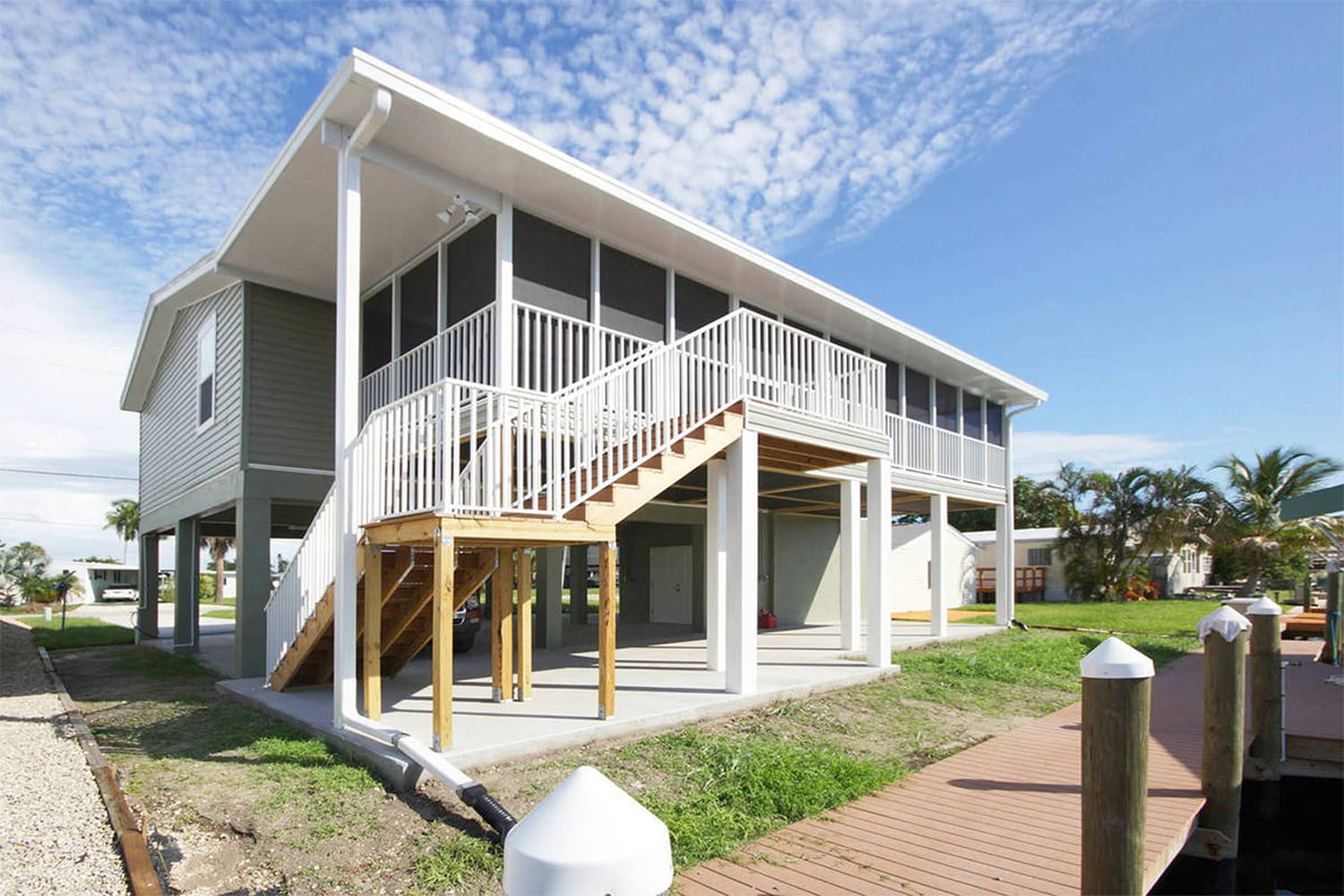
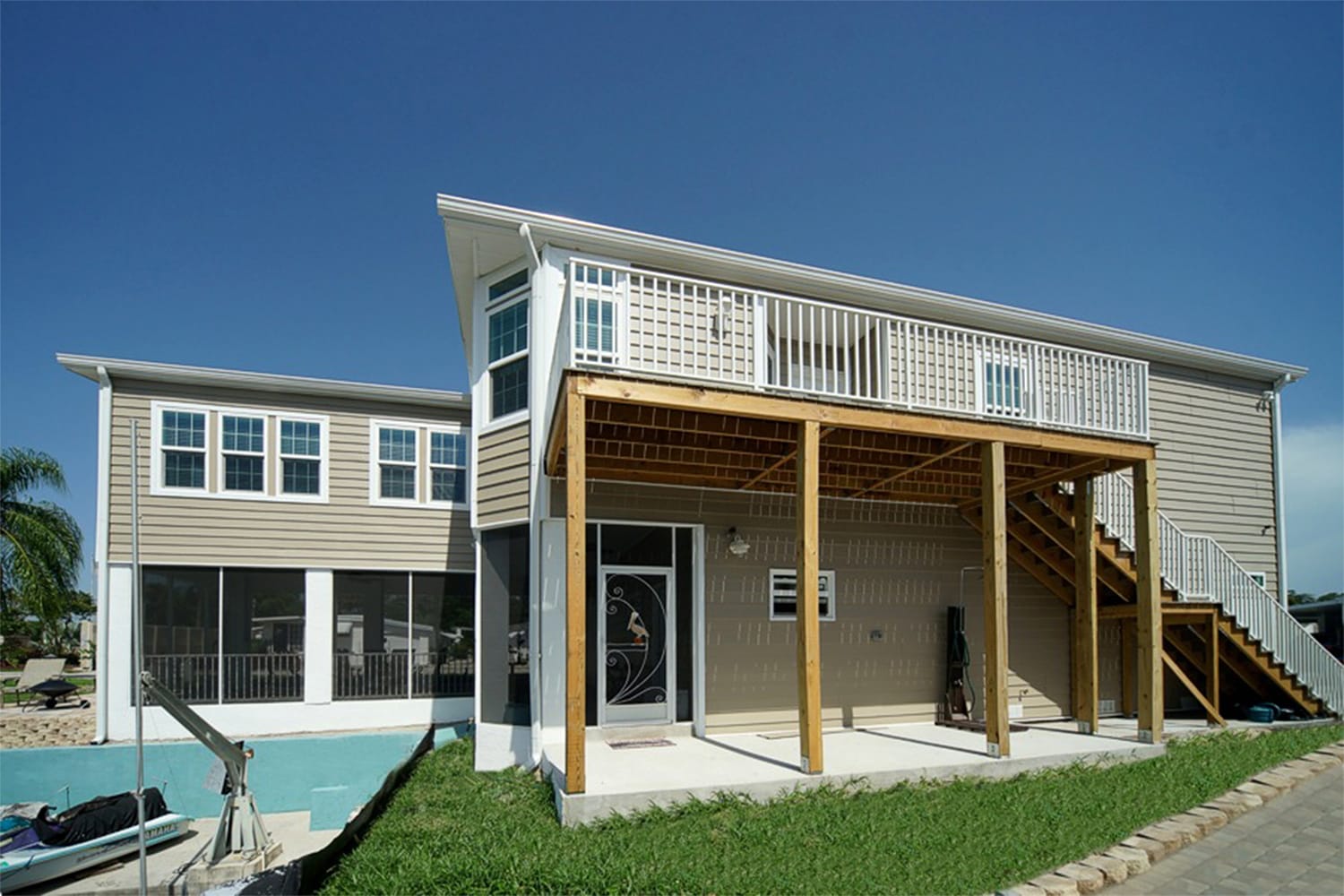
Waterfront living in Florida can bring incredible views and a great lifestyle, but it also comes with real build considerations. Low-lying lots and waterfront properties often need a stronger conversation around elevation, foundation planning, and long-term protection. In those cases, elevated construction can be one of the smartest moves a buyer can make.
LeeCorp also works with elevated designs and waterfront-conscious construction, which is why buyers planning for a more exposed site should spend time reviewing stilt homes and the benefits of stilt homes before finalizing the direction of the project.
Where elevated construction makes the most sense
- Waterfront lots with higher flood concerns
- Low-lying areas where elevation can reduce long-term risk
- Projects needing usable space below the home
- Properties where coastal conditions affect design and permitting
Construction Gallery
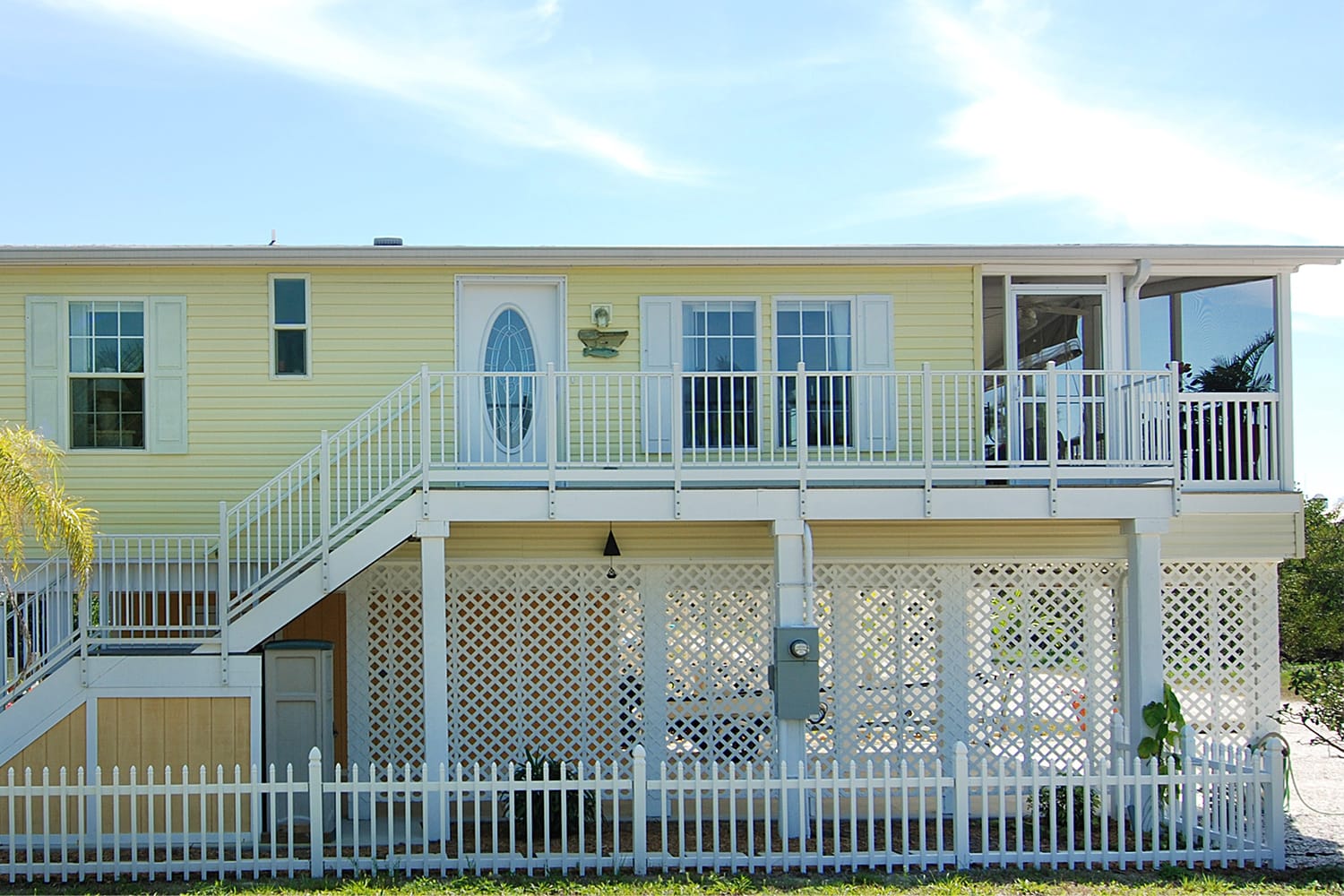
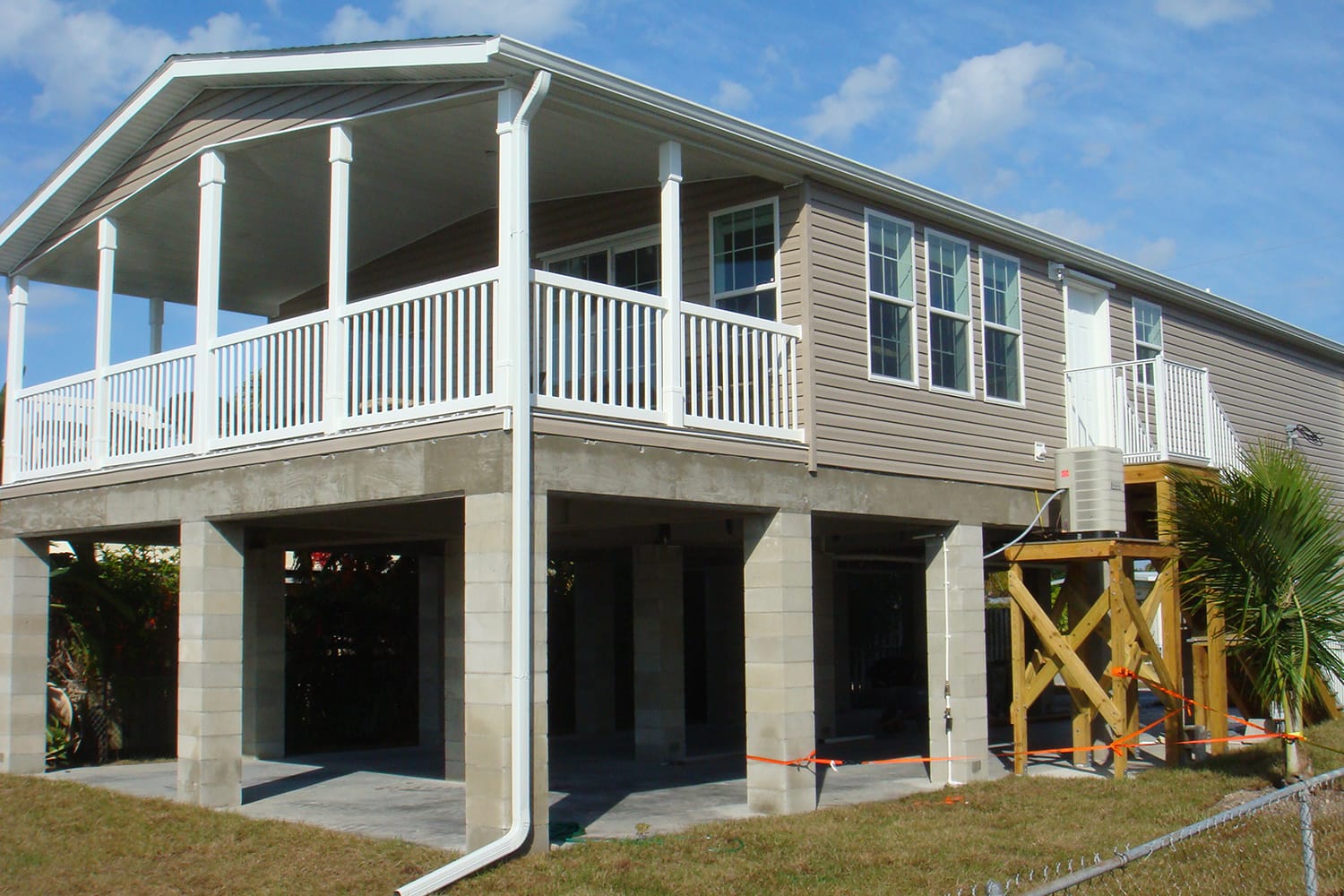
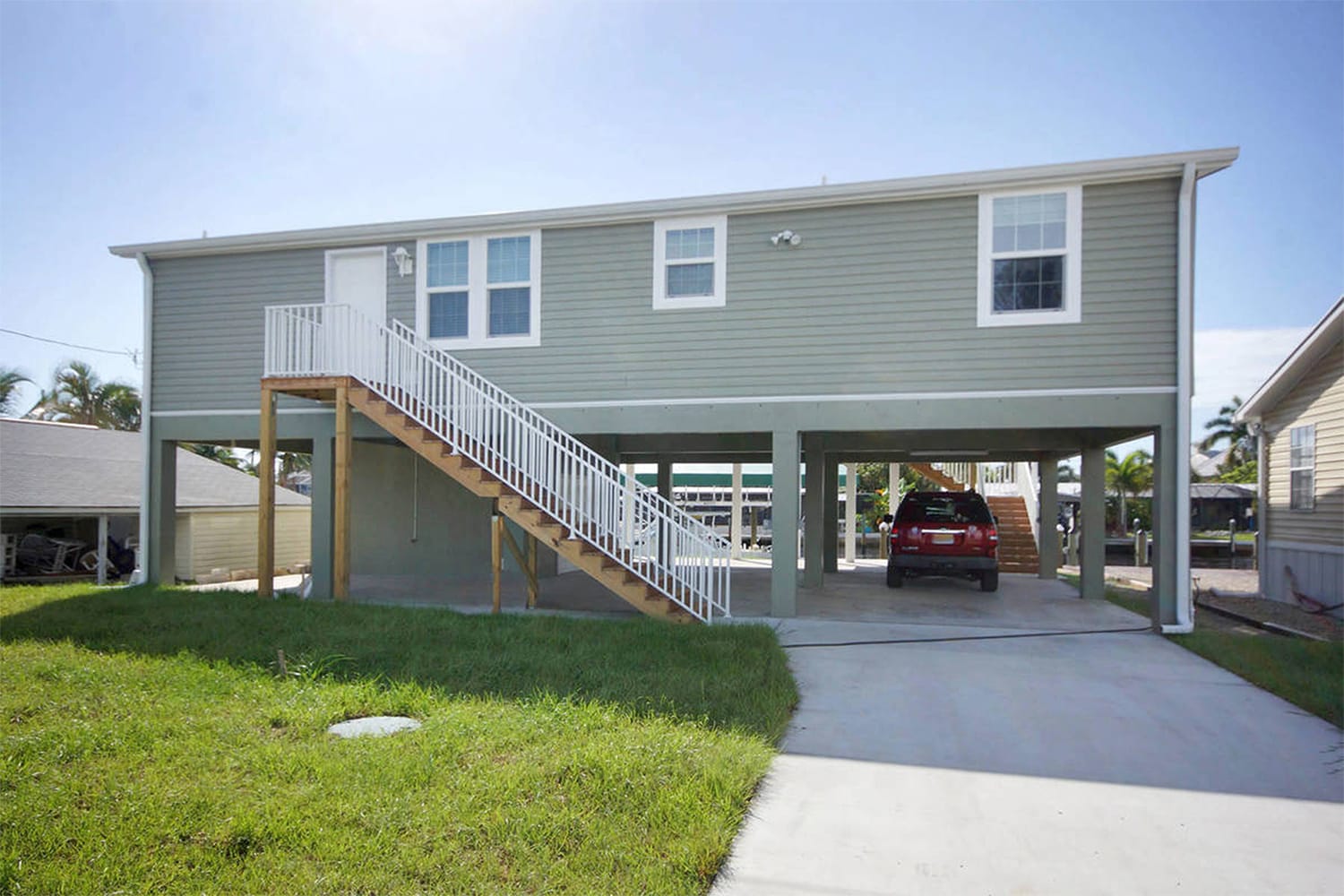
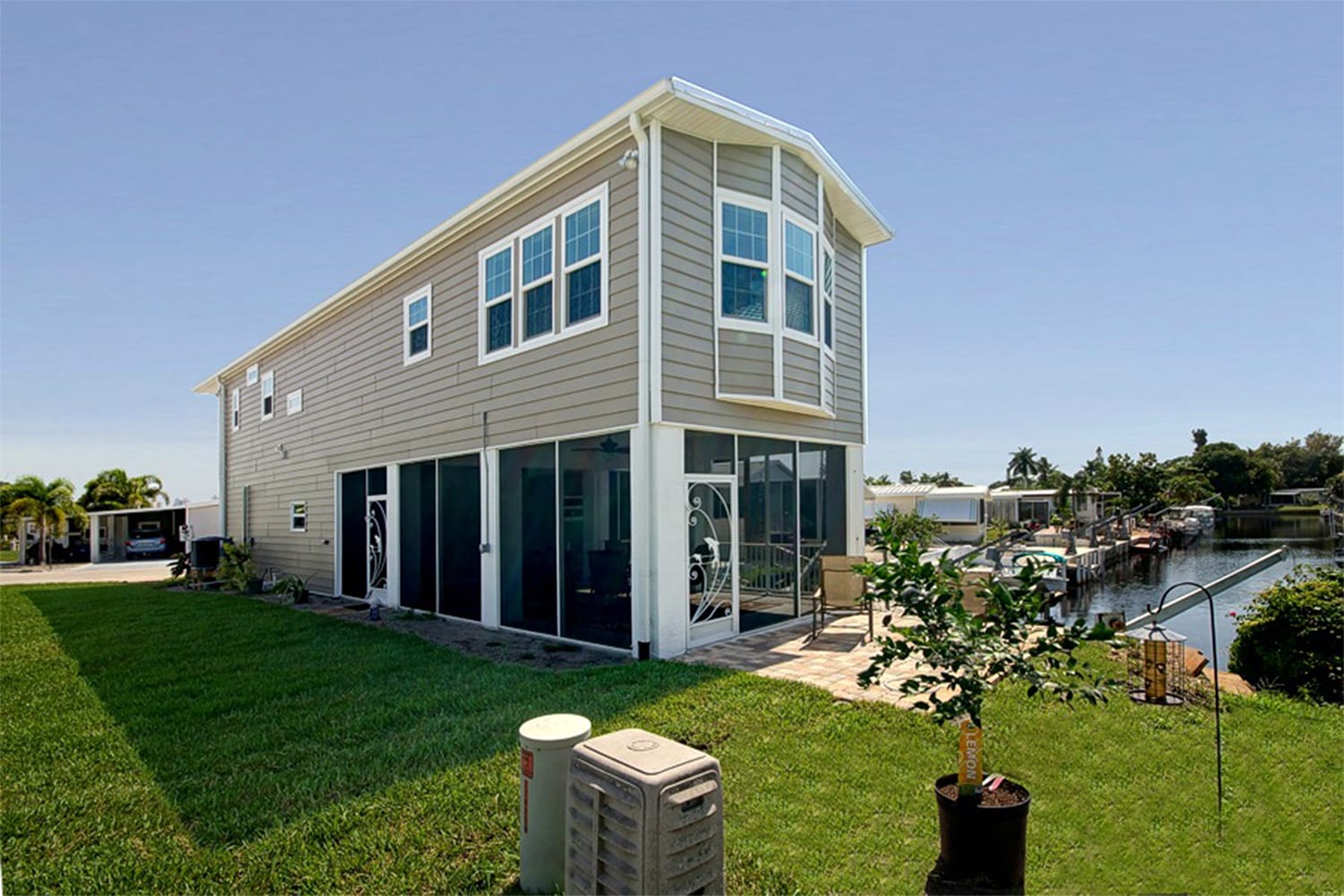
These examples help show how strong structural planning, durable materials, and elevated design can come together in finished homes built for Florida conditions.
Related Industry Information
Controlled construction environments can help protect materials from weather exposure before the home is even installed. That matters because better material protection can reduce unnecessary moisture exposure, improve consistency, and support better overall build quality. Stronger construction is not only about storm resistance. It is also about how carefully the home is built from the beginning.
Buyers who want to continue reviewing build quality topics can also visit the resources section and the LeeCorp FAQs for more detail.
Helpful Downloads
These resources give buyers additional information related to efficiency, construction, and planning.
Jacobsen Homes Your Green Builder
Learn more about controlled construction, material protection, and efficient building practices.
Manufactured Homes Built Stronger
Review more information related to strength, durability, and modern manufactured home construction.
New Home Planning Kit
Useful planning material for buyers who want to organize the design and construction process more clearly.
Construction Bullet List
A quick reference document covering important structural and material details from the construction process.
How Build Quality Connects to the Rest of the Project
Construction quality should be considered alongside the floor plan, the lot, the installation path, and the long-term use of the home. Buyers usually make better decisions when they connect structure, layout, elevation, and site conditions at the same time. That is why it helps to review the 10-step process, browse floor plans, compare modular homes in Florida, and look at manufactured home options in Florida before finalizing the direction of the build.
If you already know your lot, location, or the type of home you want, the best next step is usually to contact LeeCorp Homes with those details so the conversation can move quickly into the right recommendations.
Frequently Asked Questions About Construction in Florida
Are manufactured homes in Florida built for stronger wind conditions?
Yes. Florida construction standards place a strong emphasis on wind-zone performance, which is why structural details such as roof systems, framing, sheathing, and anchoring matter so much.
What construction features help make a home stronger?
Important features include reinforced roof assemblies, stronger wall systems, engineered sheathing, insulated ductwork, structural floor decking, steel framing components, and secure tie-down connectors.
Why does controlled manufacturing matter?
Controlled manufacturing can help protect materials from weather exposure during construction, improve consistency, reduce waste, and support better quality control before installation.
When should I start thinking about elevated construction?
You should start early if the lot is waterfront, low-lying, or likely to involve flood-related concerns. In those cases, it makes sense to compare stilt homes sooner rather than later.
What should I review before moving forward?
It helps to review your lot conditions, desired layout, likely weather exposure, build preferences, and the overall process. The 10-step guide and contact page are good next steps when you are ready to narrow things down.
Start With Stronger Construction and Better Planning
If your goal is a home that performs well in Florida and still feels right for the way you live, construction quality deserves just as much attention as the floor plan or finish selections. Review the available floor plans, compare manufactured homes in Florida, and use the contact page to start a direct conversation about your lot, your location, and the kind of build you want.