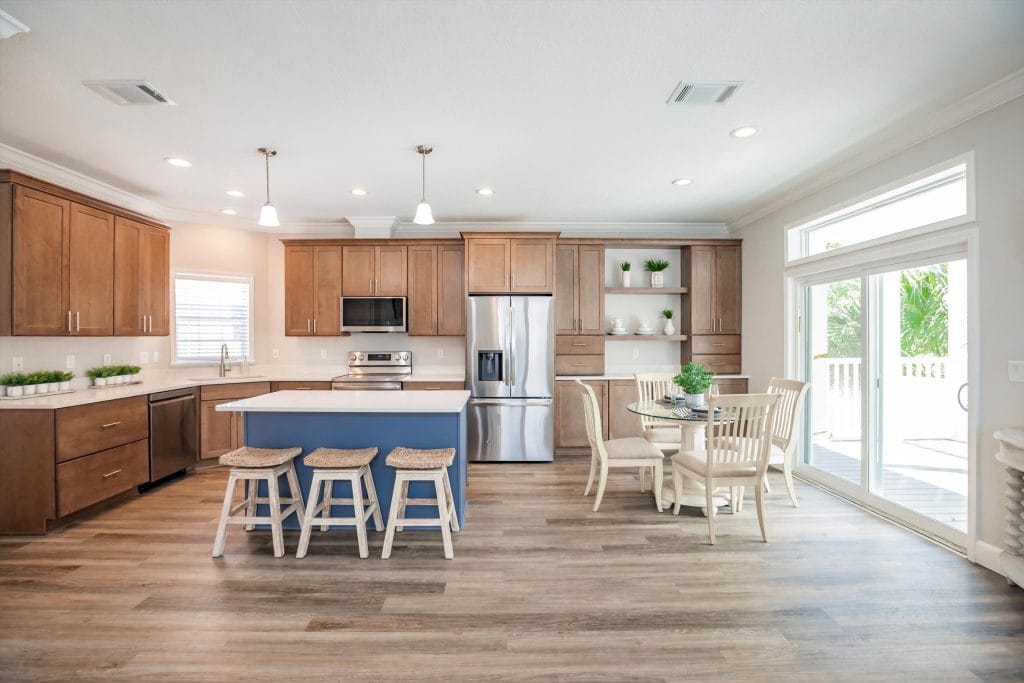
How Do Modular Home Prices Compare to Traditional Builds?

How Do Modular Home Prices Compare to Traditional Builds?

When considering building a new home, one of the biggest decisions you’ll make is choosing between modular and traditional stick-built construction. Each option offers distinct advantages, but if cost is a top concern, it’s worth taking a detailed look at how the two compare in every phase of the homebuilding process. From materials and labor to site preparation, installation, and financing, modular home prices can offer surprising savings without sacrificing quality, comfort, or long-term value.

Breakdown of Material and Labor Costs

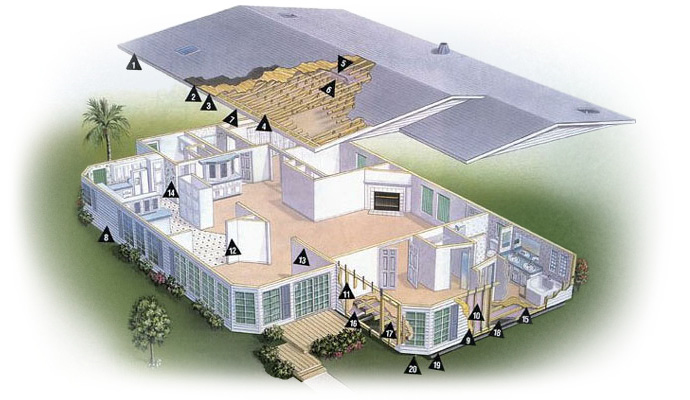
The materials used in modular homes and traditional builds are largely the same, such as wood framing, drywall, insulation, roofing, and finishes, but the way they’re sourced, managed, and assembled makes a big difference in total cost. Because modular homes are built in climate-controlled factories, the process minimizes waste, delays, and inefficiencies that often increase expenses in site-built construction.

Factory Efficiency Versus On-Site Labor

Modular homes benefit from what’s known as “factory efficiency.” Building components are fabricated indoors using precise measurements and computer-guided machinery. This controlled environment means that every piece fits together perfectly, materials are ordered in bulk, and production crews work year-round without weather delays. As a result, modular home manufacturers often save up to 20% on materials through bulk purchasing and reduced waste. Those savings are passed on to buyers through lower overall modular home prices.

In contrast, traditional site-built homes are subject to fluctuating material costs, unpredictable delivery timelines, and labor inefficiencies. Weather can delay framing, foundation work, or roofing, forcing contractors to adjust schedules or pay for additional labor hours. Skilled labor shortages in many regions can also raise costs for electricians, plumbers, and carpenters. When you factor in extended construction times and higher hourly wages, labor on a traditional build can account for 40% or more of the total cost. Modular construction typically cuts that labor portion significantly because so much of the work is completed in the factory.

Another area where modular homes shine is quality control. Every module goes through rigorous inspection during production, ensuring consistency across every section of the home. In a traditional build, quality can vary depending on the crew, weather conditions, and oversight on-site. Although both types of homes must meet local building codes, modular homes are inspected multiple times during the manufacturing process to verify compliance. That attention to detail not only saves time but also reduces the likelihood of costly mistakes or rework once the home is delivered.

Site Preparation and Installation Fees

Whether you choose modular or traditional construction, you’ll need to prepare the land for your new home. This includes clearing the lot, grading, and installing utilities such as septic systems, wells, and electrical connections. However, there are distinct differences in how these costs break down between the two approaches.

Site preparation for a traditional stick-built home often involves a longer timeline and more coordination between contractors. The foundation must be poured, cured, and inspected before framing begins, which can take weeks. In regions with heavy rainfall or challenging soil conditions, those delays can stretch even further, increasing costs for equipment rentals, labor, and project management.

Modular homes, on the other hand, allow much of this work to occur simultaneously. While your home is being built in the factory, the foundation and utility work can progress on-site. This parallel timeline shortens the overall project duration by weeks or even months, saving both time and money. Once the modules are delivered, they’re installed on the prepared foundation in just a few days. The home is then sealed, finished, and connected to utilities, dramatically reducing the labor and equipment expenses compared to a full stick-built process.

Permit and Inspection Charges

Another factor that affects the total cost of any home build is permitting and inspection. Traditional construction typically requires a series of on-site inspections at various stages, including foundation, framing, electrical, plumbing, insulation, and final completion. Each inspection involves coordination, potential delays, and sometimes rework if something doesn’t meet code the first time.

Modular homes streamline this part of the process. Because modules are constructed to meet state and local codes in a factory setting, many inspections are already completed before the home arrives on your property. Local inspectors will still need to verify the foundation, utility hookups, and final installation, but this often involves fewer visits and less back-and-forth. That efficiency can help reduce costs associated with scheduling, delays, and additional contractor time.

It’s also worth noting that modular home builders often assist with permitting and code compliance, simplifying what can be a complicated process for homeowners building a traditional house. With expert guidance, you’re less likely to encounter surprise costs or permit-related setbacks.

Financing and Insurance Differences

Beyond materials and labor, financing and insurance can significantly affect the total cost of ownership for modular and traditional homes. Although modular homes were once seen as harder to finance, lenders today recognize their value and durability, making financing options more widely available and comparable to conventional mortgages.

Many buyers find that modular homes qualify for the same loan types as stick-built properties, including FHA, VA, and conventional mortgages. The main difference is the disbursement schedule. Traditional builds typically release funds in phases as construction milestones are reached. Modular home loans, on the other hand, may release funds in larger portions, first for the factory build, then for site preparation and final installation.

Insurance rates can also differ. Because modular homes are built in a controlled environment, they’re less susceptible to weather-related construction risks such as water damage, theft of materials, or vandalism. This reduced risk can translate into slightly lower builder’s risk insurance premiums during construction. Once installed, modular homes are treated just like any other permanent residence and qualify for standard homeowner’s insurance policies.

One common misconception is that modular homes depreciate in value like mobile or manufactured homes. In reality, modern modular homes are constructed to the same, or even higher, standards as traditional homes and are considered permanent structures. As a result, their resale values tend to mirror those of site-built homes in the same area.

Because modular homes are often built with energy-efficient materials and advanced insulation techniques, they can also save homeowners money on utilities over the years. Features like double-pane windows, tight construction seams, and energy-rated appliances reduce heating and cooling costs, which can make a modular home more attractive to future buyers.

Maintenance costs over time also tend to be lower with modular homes. Since the components are built indoors, they aren’t exposed to moisture during construction, reducing the likelihood of warping, mold, or early wear. Combined with their efficient build process and durable materials, modular homes often deliver a strong return on investment while remaining affordable to maintain.

From a long-term perspective, modular homes also offer flexibility. Because they’re built in sections, it’s possible to expand or remodel more easily than with traditional homes. That adaptability can appeal to growing families or homeowners who want to customize their spaces in the future, adding further value to the property.

Comparing Overall Costs and Timeframes

When you add up all the expenses, including materials, labor, site preparation, permits, and financing, it becomes clear that modular home prices are generally 10% to 25% lower than comparable stick-built homes. In addition, the time savings can be substantial. A traditional home might take eight to twelve months from groundbreaking to move-in, while a modular home can often be completed in three to six months.

Those shorter timelines mean reduced carrying costs such as construction loan interest, temporary housing expenses, and utility setup delays. Homeowners can begin enjoying their new homes sooner, which can also reduce stress and uncertainty.

It’s important to note that while modular homes often cost less upfront, the quality is by no means lower. In fact, the precision and quality control involved in factory construction often result in a tighter, more durable structure that stands up well to weather and time. For homeowners in regions like Southwest Florida, where humidity, rain, and coastal conditions can challenge traditional builds, that durability is a significant advantage.

Environmental and Sustainability Considerations

Another area where modular construction excels is sustainability. Factory building drastically reduces material waste, often by as much as 50%, because materials are measured and reused efficiently. Any leftover components can be recycled rather than discarded. Additionally, modular homes tend to produce fewer on-site emissions since construction is completed in a central facility rather than involving multiple deliveries and heavy machinery at the build site.

For eco-conscious buyers, modular homes can be designed with green technologies like solar panels, high-efficiency HVAC systems, and smart home integrations. These energy-saving measures can reduce monthly bills and contribute to a smaller environmental footprint, making them an appealing choice for those who want to combine savings with sustainability.

Value Beyond Cost

While the cost advantages of modular construction are clear, the benefits go far beyond price. Shorter build times, consistent quality, energy efficiency, and streamlined financing all make modular homes an increasingly popular choice for today’s homeowners. For those who want a high-quality, custom-designed home without the stress and unpredictability of traditional construction, modular housing offers a practical and appealing alternative.

The key takeaway is that modular home prices deliver excellent value without compromise. You can enjoy the same design flexibility, quality craftsmanship, and long-term durability as a site-built home, often for significantly less money and in a fraction of the time. And with modern modular designs that rival traditional architecture in style and comfort, it’s easy to see why more buyers are turning to this smart building method.

Build Your Dream Home with LeeCorp Homes

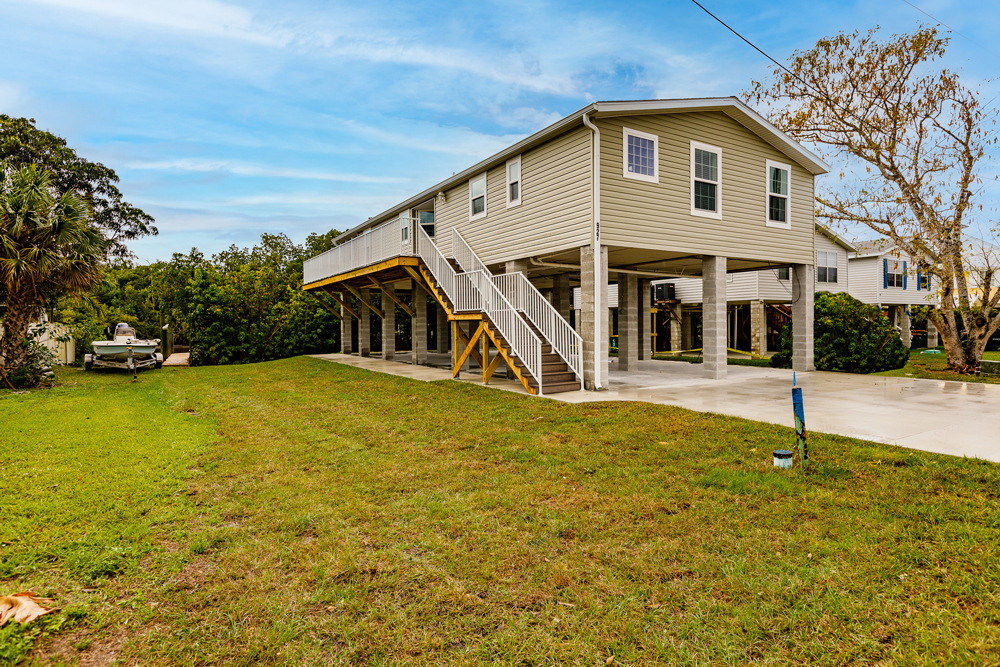
If you’re considering a manufactured home in Southwest Florida, LeeCorp Homes is ready to help. A family-owned business founded in 1983, we’re committed to quality craftsmanship and ensuring you get a home you can be proud of. No matter your lifestyle, we can create a home that’s right for you, whether you’re thinking of a simple single-wide hideaway, a waterfront stilt home, or a three-bedroom home designed to welcome friends and family. We’re ready to make your plans a reality.

As specialists in manufactured homes, we know how to help you get the most from your home, from ensuring your home meets local zoning and building requirements to strategic siting that takes full advantage of waterfront or golf course views to ADA compliance if you’re looking for extra peace of mind.

If you want to install a home on your own property, we provide full site development services, everything from grading to well and septic system installation. We also provide state-of-the-art replacement homes if you’re ready for an upgrade from an existing manufactured home.

We make the homebuilding process simple for you by taking care of everything. We oversee every step of the construction process to be sure everything’s perfect for you. We offer simple and transparent pricing, and our services include the installation of landscaping, carports or garages, sunrooms, and storage sheds.

Contact us today to learn more about how we can help you build the home you’ve always wanted. Let’s turn your dream into a place you’ll love to call home.

What Should You Know About Manufactured Home Warranty Coverage?

What Should You Know About Manufactured Home Warranty Coverage?

If you are purchasing or considering a manufactured home, one of the most important aspects to understand is your manufactured home warranty. A warranty provides peace of mind by ensuring that certain repairs and replacements are covered if issues arise within a defined timeframe. For new homeowners, warranties can reduce financial stress and give confidence in the quality of the home. Beyond standard warranties, extended coverage plans are available that add further protection and flexibility.

Standard Manufacturer Warranty Inclusions

A manufacturer warranty is essentially a promise from the home builder that your manufactured home meets specific quality and performance standards. These warranties are included at no additional cost and serve as a safeguard against defects caused by faulty materials or workmanship.

Structural vs. Appliance Coverage

Most standard warranties cover two primary areas: the structure of the home and its essential systems. Structural coverage usually includes protection against defects in the framework, walls, floors, and roof. If a foundation issue or roof leak arises due to poor construction, the warranty may cover repair or replacement. Appliance and systems coverage can extend to HVAC units, water heaters, plumbing systems, and sometimes built-in appliances like dishwashers or ovens. However, the extent of appliance coverage often varies depending on the manufacturer. Many manufacturers only guarantee that appliances function upon delivery, leaving ongoing coverage to the appliance manufacturer itself.

Transferability When You Sell

One valuable feature to ask about is transferability. Some warranties can be transferred to the next owner if you sell your manufactured home within the warranty period. This adds resale value by providing potential buyers with additional peace of mind. Not all manufacturer warranties are transferable, though, so be sure to read the fine print if you anticipate selling your home within a few years.

Optional Extended Protection Plans

While a standard manufacturer warranty provides an important baseline, extended protection plans go further. Extended warranties, also called service agreements, can cover more years and more items than the basic warranty. They can be especially useful for homeowners who want to minimize out-of-pocket costs for maintenance or who plan to stay in their home long-term.

Extended protection often includes coverage for things excluded from the base warranty, such as cosmetic repairs, electrical components beyond the basic systems, and extended appliance coverage. Some plans even include protection against normal wear and tear, which standard warranties generally exclude.

Extended warranties are also customizable. You may be able to choose packages that best fit your needs, whether that means focusing on appliances, systems, or a full home coverage plan. The additional upfront investment can ultimately save you money if you face significant repair costs later.

How to File a Warranty Claim

Filing a claim under an extended warranty is usually more straightforward than with a standard warranty because these plans often come with a dedicated customer service line. The process typically involves submitting your warranty documentation, providing proof of the issue, and allowing an inspector to verify the claim. Once approved, the warranty provider arranges the repair or replacement, sometimes with minimal paperwork on your end.

Common Warranty Exclusions

Understanding what is not covered is just as important as knowing what is included. Manufacturer warranties are designed to cover defects in materials or workmanship, but they do not act as blanket insurance policies for every potential issue.

Common exclusions include:

  • Wear and Tear: Normal deterioration of flooring, paint, and finishes is not covered.
  • Owner Negligence: Damage caused by lack of proper maintenance, misuse, or unauthorized alterations voids coverage.
  • Weather Events: Storms, floods, or hurricanes typically fall under homeowner’s insurance, not warranties.
  • Site Work Issues: Problems with grading, landscaping, or septic systems are often excluded unless handled by the builder under a specific contract.
  • Cosmetic Imperfections: Minor cosmetic issues like paint smudges, scratches, or dents may not qualify for warranty repair unless they impact function.

It is crucial to read your warranty carefully and ask questions about anything unclear. Knowing these limitations in advance helps you budget for future maintenance needs and avoid unpleasant surprises.

Why Extended Coverage is Worth Considering

The true value of an extended protection plan lies in its ability to reduce uncertainty. Structural repairs can be costly, and replacing a major appliance can set you back thousands of dollars. Extended warranties often provide service call coverage, routine maintenance support, and longer timeframes that go beyond the limited period of manufacturer warranties. For example, while a manufacturer warranty may cover your HVAC system for one year, an extended plan might extend that protection for five years or more.

For homeowners in regions like Southwest Florida, where humidity and storms can create unique stressors on manufactured homes, extended coverage provides an added layer of security. Knowing that repairs are financially manageable allows you to enjoy your home without constant worry about potential breakdowns.

Protecting Your Manufactured Home Investment

Purchasing a manufactured home is a significant investment, and understanding warranty coverage is an essential part of protecting that investment. Standard manufacturer warranties ensure that your home meets quality standards and protects against construction defects, while extended protection plans offer peace of mind for the long haul. By understanding both inclusions and exclusions, as well as how to file claims effectively, you can make more informed decisions and avoid unexpected expenses.

Contact Us Today

If you are considering a manufactured home in Southwest Florida, LeeCorp Homes is ready to help. A family-owned business founded in 1983, we are committed to quality craftsmanship and ensuring you get a home you can be proud of. No matter your lifestyle, we can create a home that is right for you, whether you are thinking of a simple single-wide hideaway, a waterfront stilt home, or a three-bedroom home designed to welcome friends and family. We are ready to make your plans a reality. As specialists in manufactured homes, we know how to help you get the most from your home, from ensuring your home meets local zoning and building requirements to strategic siting that takes full advantage of waterfront or golf course views to ADA compliance if you are looking for extra peace of mind. If you want to install a home on your own property, we provide full site development services, everything from grading to well and septic system installation. We also provide state-of-the-art replacement homes if you are ready for an upgrade from an existing manufactured home. We make the homebuilding process simple for you by taking care of everything. We oversee every step of the construction process to be sure everything is perfect for you. We offer simple and transparent pricing, and our services include the installation of landscaping, carports or garages, sunrooms, and storage sheds. At LeeCorp Homes, your peace of mind is our priority. Contact us today and let us help you protect your investment with the right manufactured home warranty coverage.

How Does Manufactured Home Insurance Protect Your Investment?

How Does Manufactured Home Insurance Protect Your Investment?

Purchasing a manufactured home is an exciting milestone, and like any valuable asset, it deserves protection. Manufactured home insurance ensures that you are financially safeguarded if unexpected events such as fire, storms, or theft occur. By carrying the right coverage, you not only protect the structure itself but also your belongings, your liability to others, and even the overall value of your investment. For many families, a manufactured home represents both a place to live and a significant financial commitment, so having a clear understanding of insurance basics is essential.

Essential Coverage Types

Insurance for manufactured homes is similar in many respects to traditional homeowners insurance, but with nuances specific to factory-built housing. The main coverage categories are structure, liability, and personal contents.

Structure Coverage

This is the foundation of your policy. Structure coverage protects the physical manufactured home itself from hazards such as fire, vandalism, hail, or lightning. Depending on your policy, it may also include attached additions like decks, porches, or carports. Some plans cover detached structures like sheds or garages as well. Without adequate structure coverage, you would be left to pay for rebuilding or major repairs entirely out of pocket.

When reviewing your options, check whether the policy pays claims based on “actual cash value” (depreciated replacement value) or “replacement cost value” (the amount to replace with similar new materials). Replacement cost coverage is usually more expensive but ensures you can truly rebuild without coming up short.

Liability Protection

Accidents can happen anywhere, including at your home. Liability coverage provides protection if a guest is injured on your property and you are found legally responsible. For example, if a delivery driver slips on your front steps or a visitor’s child is injured on a swing set in your yard, liability coverage helps pay medical bills, legal defense, or settlement costs.

Manufactured home insurance policies typically offer liability limits starting around $100,000, but higher limits are available. Given the potentially high cost of lawsuits, many homeowners choose to increase their coverage to $300,000 or more for peace of mind.

Contents Coverage

Your manufactured home is filled with belongings that matter to you, from electronics and furniture to clothing and kitchen appliances. Contents coverage protects these items if they are stolen, damaged, or destroyed by a covered peril. Policies often cover personal property both inside and outside the home. For example, if your laptop is stolen from your car, contents coverage may still apply.

Be sure to review the details carefully. Some high-value items like jewelry, art, or collectibles may require additional riders or endorsements for full coverage. Taking an inventory of your possessions can help ensure you purchase adequate protection.

Windstorm and Flood Riders

Standard manufactured home insurance policies usually exclude certain natural disasters, including floods and, in some areas, hurricanes or windstorms. Homeowners in coastal or storm-prone regions, such as Florida, often need to purchase separate windstorm or flood riders.

Windstorm coverage specifically addresses damage caused by high winds, tornadoes, or hurricanes. Flood insurance, sold through the National Flood Insurance Program (NFIP) or private insurers, protects against rising water damage. Since manufactured homes are particularly vulnerable to wind and water, these riders can be crucial to safeguarding your property.

Factors That Affect Your Premium

Premiums for manufactured home insurance can vary widely depending on a number of factors. Understanding what influences your rates helps you anticipate costs and take steps to reduce them.

Location

Where your home is located plays one of the biggest roles in determining insurance costs. Homes in areas prone to hurricanes, tornadoes, or flooding will generally face higher premiums. Similarly, living in a region with high crime rates can increase your rates due to the higher risk of theft or vandalism.

Age and Condition of the Home

Newer manufactured homes typically qualify for lower premiums because they are built to stricter safety and construction standards. Older homes may lack modern safety features or be more vulnerable to damage, which can make them more expensive to insure. Insurers may require a home inspection before issuing a policy.

Deductible Options and Limits

Your deductible is the amount you agree to pay out of pocket before your insurance kicks in. Choosing a higher deductible can lower your premium, but it also means you’ll have to cover more of the initial costs if you file a claim. It’s important to strike a balance between affordable monthly premiums and manageable deductibles.

In addition, policy limits (the maximum amount your insurer will pay for covered losses) also affect pricing. Higher limits provide more protection but come with higher premiums. Reviewing your budget and risk tolerance helps determine the right balance.

Bundling Home and Auto Policies

One of the easiest ways to reduce your premium is to bundle your manufactured home insurance with other policies, such as auto insurance. Many insurers offer discounts for multi-policy customers, sometimes reducing premiums by 10 to 25 percent. This not only saves money but also simplifies your billing and account management.

Safety Features and Upgrades

Insurance companies reward homeowners who take steps to minimize risk. Adding safety features like smoke detectors, fire extinguishers, security systems, or storm shutters may qualify you for premium discounts. Upgrading your home’s foundation or anchoring system can also make it more resilient to storms and reduce your insurance costs.

Filing a Claim: What to Expect

Knowing how to navigate the claims process gives you confidence that your coverage will deliver when you need it most.

Step 1: Report the Incident Promptly

If your manufactured home is damaged or you suffer a loss, contact your insurance company as soon as possible. Most insurers provide a 24/7 claims hotline. Be prepared to provide details about the incident, such as the date, cause, and type of damage.

Step 2: Document the Damage

Take photographs or videos of the damage before making any repairs. Keep receipts for emergency repairs or expenses, such as temporary lodging if your home is uninhabitable. A well-documented claim helps prevent disputes with your insurer later on.

Step 3: Adjuster Visit

Your insurance company may send a claims adjuster to inspect the damage and verify the details. The adjuster will assess the extent of the loss and estimate repair or replacement costs. Cooperating with the adjuster and providing any requested documents can help the process move smoothly.

Step 4: Claim Settlement

Once the adjuster’s report is complete, the insurance company will issue a settlement offer. Depending on your policy type, you will either be reimbursed for the actual cash value or the replacement cost of the damaged property. Review the settlement carefully and ask questions if anything seems unclear.

Step 5: Repairs and Resolution

After receiving payment, you can begin making repairs or replacing items. Keep records of expenses and communicate with your insurer if costs exceed the settlement amount. Many companies have preferred contractors who can help ensure repairs meet quality standards.

Tips for Finding Affordable Premium Plans

Securing comprehensive protection does not have to break your budget. With some research and planning, you can find a policy that balances cost and coverage.

  1. Shop Around: Compare quotes from multiple insurance companies. Rates and coverage can vary significantly, so gathering several options helps you make an informed choice.
  2. Work with a Specialist Agent: Agents who understand manufactured home insurance can connect you with insurers who specialize in this type of coverage. They can also explain policy exclusions and riders that may be important for your area.
  3. Maintain Good Credit: Insurers often consider your credit score when setting premiums. A higher score can result in lower rates.
  4. Review Your Policy Annually: Life changes, home upgrades, and shifts in the insurance market can all affect your coverage needs. Reviewing your policy each year ensures you remain adequately protected without paying for unnecessary extras.
  5. Ask About Discounts: Many insurers offer discounts for retirees, military personnel, or those who install specific safety features. It never hurts to ask what’s available.

Protecting Your Home and Peace of Mind

Your manufactured home is more than just a structure; it is your sanctuary, your investment, and often the centerpiece of your lifestyle. Insurance is a vital tool for protecting that investment against life’s uncertainties. From structure coverage and liability protection to additional riders for flood or windstorm damage, a well-chosen policy can provide peace of mind that you are covered when the unexpected happens.

Taking the time to understand your coverage options, compare premiums, and tailor a plan to your needs ensures you get the most value from your policy. And when combined with thoughtful home upgrades and safety precautions, insurance becomes an integral part of safeguarding both your financial security and your family’s comfort.

Contact Us Today

If you are considering a manufactured home in Southwest Florida, LeeCorp Homes is ready to help. A family-owned business founded in 1983, we are committed to quality craftsmanship and ensuring you get a home you can be proud of. Whether you’re thinking of a simple single-wide hideaway, a waterfront stilt home, or a three-bedroom residence designed to welcome friends and family, we can bring your plans to life. As specialists in manufactured homes, we guide you through every step, from zoning and site development to ADA-compliant builds, landscaping, and even replacement homes. With transparent pricing and full-service support, we make the homebuilding process simple and stress-free.

Contact us today to explore your options and start protecting your future with a manufactured home built just for you.

What Factors Affect Prefab Home Prices in 2025?

What Factors Affect Prefab Home Prices in 2025?

Prefab homes continue to gain popularity across the United States, thanks to their combination of affordability, efficiency, and modern design flexibility. But as more homeowners consider making the switch, one of the most pressing questions they face is: what factors affect prefab home prices in 2025?

The truth is, prefab homes are not a one-size-fits-all product. Just like traditional housing, the cost can vary significantly depending on a number of elements such as materials, labor, location, customization, and even global supply chain conditions. Understanding these cost drivers can help you set a realistic budget, make smarter design choices, and ultimately feel confident in your investment.

Below, we break down the key factors shaping prefab home prices in 2025.

Material and Manufacturing Costs

Materials are at the heart of any prefab home build, and their pricing plays a pivotal role in the final cost. In 2025, fluctuations in raw material costs and advances in manufacturing technologies are some of the biggest drivers of prefab home pricing.

Wood Frame Pricing

The choice of structural frame material is often one of the first and most impactful decisions a buyer makes.

  • Wood Frames: Wood remains the traditional choice for prefab construction. It’s readily available, relatively easy to work with, and typically less expensive upfront. In 2025, however, rising timber costs due to global supply pressures and wildfire-related shortages in North America have pushed wood-frame prefab homes higher than in past years. Still, wood is a popular option for buyers looking for a natural look and flexibility in design.

Beyond frames, other materials, such as insulation, roofing, and siding, have also seen price adjustments in 2025.

Impact of Customization and Upgrades

One of the greatest appeals of prefab homes in 2025 is the ability to customize them. Unlike older modular home designs, today’s prefab homes offer nearly endless options, from floor plans to luxury finishes. However, each upgrade adds to the final cost.

Add-on Features and Their Price Tags

Customization is where prices can vary most dramatically.

  • Kitchen Upgrades: Prefab homes often come with standard appliance and countertop packages. Opting for quartz countertops, stainless steel appliances, or custom cabinetry can increase costs by several thousand dollars.
  • Bathrooms: Spa-inspired bathrooms with walk-in showers, freestanding tubs, or upgraded tilework are popular upgrades in 2025.
  • Outdoor Living: Patios, screened porches, and decks are especially popular in warmer climates like Florida.

Even smaller details, such as flooring material, interior paint colors, or built-in storage, can make a difference in total pricing. While standard packages offer cost-effective solutions, every added choice should be weighed carefully against your budget.

Regional Variations in Land and Labor

Location is one of the most significant influences on prefab home prices. Where you build impacts not only land costs but also labor expenses and local requirements.

Local Regulations and Permit Fees

Every state, county, and municipality has different rules when it comes to prefab home construction. These regulations can affect both timelines and costs.

  • Permitting: Permit fees for prefab homes vary widely. Some rural areas may have relatively low costs, while urban or coastal regions can impose stricter requirements, pushing fees higher. In 2025, Florida counties, for instance, have increased permitting costs due to heightened building codes aimed at improving hurricane resilience.
  • Zoning: Zoning rules can impact whether a prefab home can be installed on certain lots. Buyers may need to invest in additional land preparation—like grading, septic installation, or stormwater management—if zoning and building codes demand it.
  • Inspection Costs: Prefab homes must meet both state-level HUD standards and local building codes. This often means additional inspection fees, which vary by jurisdiction.

Beyond regulations, labor costs differ by region as well. Areas with skilled labor shortages, especially in states experiencing housing booms, may charge more for site preparation and installation. For instance, labor costs in Southwest Florida are generally higher than in rural Midwestern states due to higher demand and specialized construction requirements for flood zones and hurricane safety.

Supply Chain Issues and Global Market Pressures

One of the lingering effects of the global pandemic and ongoing geopolitical tensions is the instability of supply chains. While 2025 has brought some improvements, prefab home pricing still feels the ripple effects.

  • Material Shipping: Prefab homes rely on precise delivery schedules, as modules are built in factories and shipped to building sites. Any delays in transportation, whether due to fuel costs, driver shortages, or port congestion, can add unexpected costs.
  • Global Sourcing: Many prefab components (appliances, fixtures, even certain structural materials) are sourced internationally. Tariffs, import restrictions, and currency fluctuations continue to impact final home prices in the U.S.
  • Energy Costs: Rising fuel and energy prices affect both manufacturing facilities and transportation. These costs, in turn, are passed on to homeowners.

Buyers in 2025 are encouraged to choose builders who maintain strong supplier relationships and who can provide transparency around sourcing and potential delays. Working with an experienced, local prefab home supplier can help reduce risks associated with global supply chain instability.

Balancing Cost with Long-Term Value

While all these factors, materials, customization, location, and supply chain issues, affect the upfront price of prefab homes, it’s important to remember that long-term value is equally critical. Energy-efficient upgrades, durable materials, and thoughtful siting can save thousands of dollars over time in reduced utility bills, lower maintenance costs, and increased resale value.

For instance, investing in hurricane-resistant construction in Florida may increase upfront costs, but it provides peace of mind, reduced insurance premiums, and resilience that pays off over the life of the home.

What This Means for Homebuyers in 2025

Prefab homes in 2025 remain a cost-effective and appealing choice for many buyers; however, understanding the factors that drive pricing helps avoid surprises. From the material you choose for your frame to the type of kitchen finishes you prefer, and from local permitting fees to the state of global supply chains, every element contributes to the final investment.

If you’re considering prefab or manufactured housing, the key is to work with a builder who can guide you through these decisions and offer transparent, upfront pricing while also tailoring your home to your needs.

Build Your Dream Home with LeeCorp Homes

If you’re considering a manufactured home in Southwest Florida, LeeCorp Homes is ready to help. A family-owned business founded in 1983, we’re committed to quality craftsmanship and ensuring you get a home you can be proud of. No matter your lifestyle, we can create a home that’s right for you—whether you’re thinking of a simple single-wide hideaway, a waterfront stilt home, or a three-bedroom home designed to welcome friends and family, we’re ready to make your plans a reality.

As specialists in manufactured homes, we know how to help you get the most from your home. That includes ensuring your home meets local zoning and building requirements, strategic siting that takes full advantage of waterfront or golf course views, and even ADA compliance for extra peace of mind. If you want to install a home on your own property, we provide full site development services, everything from grading to well and septic system installation.

We also provide state-of-the-art replacement homes if you’re ready for an upgrade from an existing manufactured home. We make the homebuilding process simple by overseeing every step—from permits to construction to finishing touches like landscaping, sunrooms, and carports.

At LeeCorp Homes, we believe in simple and transparent pricing. Our goal is to make sure you feel confident and excited about your home every step of the way.

Ready to start your journey? Contact us today to learn more about how we can bring your dream prefab or manufactured home to life.

How Do You Choose the Perfect Mobile Home Park Location?

How Do You Choose the Perfect Mobile Home Park Location?

When it comes to finding the right place to settle down, mobile home parks offer an appealing combination of affordability, flexibility, and community living. But with so many options available, how do you know which park is truly the right fit? Choosing the perfect location isn’t just about the price of the lot rent—it’s about evaluating the lifestyle, amenities, rules, and long-term investment potential. By carefully weighing these factors, you’ll not only enjoy peace of mind in the present but also set yourself up for stability and value in the years to come.

Below, we’ll break down the most important considerations when evaluating mobile home parks so you can make a confident decision.

Key Amenities to Look For

One of the biggest advantages of mobile home parks is the lifestyle they can provide through shared amenities. Whether you’re looking for resort-style living or simple conveniences, knowing what to prioritize will help you narrow down your options.

Utilities and Hookup Costs

Before signing a lease, make sure you understand how utilities are handled in the park. Some communities include water, sewer, and trash in the monthly lot rent, while others bill separately. Parks may also vary in how they charge for electricity and internet access.

  • Water and Sewer: Look for modern hookup systems that meet current codes. Outdated systems can be costly and inconvenient.
  • Electricity: Verify if the park uses individual metering or a master meter system, as this affects your monthly bills.
  • Internet and Cable: High-speed internet is no longer a luxury; it’s essential for work, entertainment, and staying connected.

While lower lot rent may look attractive, hidden utility costs can quickly add up. Always ask for a breakdown so you can make an apples-to-apples comparison.

Community Features

Mobile home parks differ widely in what they offer. Some are simple residential communities, while others provide resort-like amenities. Think carefully about your lifestyle when evaluating:

  • Recreational facilities (pools, fitness centers, tennis courts)
  • Clubhouses or community centers for events and gatherings
  • Walking trails or parks for outdoor relaxation
  • Storage options for RVs, boats, or extra vehicles

If you’re downsizing, amenities can replace features you once had at a larger property, like a yard, private pool, or large garage.

Proximity to Everyday Needs

Convenience is key. A park that’s close to grocery stores, healthcare, and entertainment saves you time and makes day-to-day life easier. In areas like Southwest Florida, proximity to beaches, golf courses, and waterfronts is also a huge lifestyle bonus.

Zoning Laws and Community Regulations

Even if a mobile home park looks perfect on the surface, it’s crucial to understand the rules governing the community. Regulations not only affect your daily life but also your ability to resell your home later.

Pet and Age Restrictions Explained

Many mobile home parks cater to specific demographics, which can make or break your experience.

  • 55+ Communities: These are popular in Florida and designed for retirees. They often feature quieter, slower-paced living with neighbors who share similar lifestyles.
  • Family-Friendly Communities: These parks allow all ages, making them ideal for households with children or multi-generational families.
  • Pet Policies: Not all parks welcome pets, and those that do may restrict breed, size, or number. If your furry friend is part of your family, double-check these rules before committing.

Ignoring these details can cause headaches later. If your lifestyle doesn’t align with the community’s rules, you may face difficulties with both day-to-day living and future resale.

Comparing Monthly Lot Rent Rates

Lot rent is one of the most significant recurring costs of living in a mobile home park. Rates vary widely depending on location, amenities, and demand.

When comparing lot rents, keep these points in mind:

  1. What’s Included? Does the rent cover water, trash, lawn care, or cable?
  2. Are Increases Controlled? Some parks have caps on annual increases, while others may adjust rent unpredictably.
  3. Location Premiums: Waterfront or golf course-adjacent parks often come at a premium, but the lifestyle payoff may justify it.

A slightly higher monthly rent could be worthwhile if it includes valuable amenities or adds long-term resale appeal.

Evaluating Long-Term Resale Potential

Choosing a mobile home park isn’t just about the here and now—it’s also about protecting your investment. The right community can add long-term value to your home.

Ask yourself: Will this park remain attractive in five, ten, or even twenty years? Desirable areas often share these traits:

  • Proximity to medical care: Essential for retirees and families alike.
  • Nearby recreation: Beaches, golf, fishing, and shopping can all increase demand.
  • Strong regional growth: Communities near expanding cities or popular retirement destinations tend to hold value.

In Southwest Florida, coastal proximity and access to recreational amenities make certain parks more desirable than others.

Park Reputation and Management

A well-run park directly affects resale value. Look into:

  • Management responsiveness—Are maintenance requests handled quickly?
  • Community upkeep—Are common areas and landscaping maintained?
  • Resident satisfaction—Talk to current residents to get honest opinions.

A poorly managed park can make even the nicest home harder to sell later.

Future Flexibility

Consider whether the park allows replacement homes or major renovations. If you decide to upgrade or modernize your home, you want a community that welcomes improvement. This flexibility ensures your property keeps pace with future market trends.

Putting It All Together: Choosing the Perfect Park

Finding the right mobile home park requires balancing lifestyle preferences, budget, and long-term considerations. Start with a list of your non-negotiables—pet-friendly policies, proximity to healthcare, or certain amenities—and use them to filter out communities that don’t fit. From there, compare the financial aspects like utilities, lot rent, and potential resale value.

Remember, the best park isn’t always the cheapest. Instead, it’s the one that aligns with your lifestyle today and safeguards your investment tomorrow.

Why Work with Experts Like LeeCorp Homes

Selecting the right park is only half the equation—you also need a home that suits your needs and a partner who can guide you through the process. That’s where LeeCorp Homes comes in.

If you’re considering a manufactured home in Southwest Florida, LeeCorp Homes is ready to help. A family-owned business founded in 1983, we’re committed to quality craftsmanship and ensuring you get a home you can be proud of. No matter your lifestyle, we can create a home that’s right for you—whether you’re thinking of a simple single-wide hideaway, a waterfront stilt home, or a three-bedroom home designed to welcome friends and family, we’re ready to make your plans a reality.

As specialists in manufactured homes, we know how to help you get the most from your home, from ensuring your home meets local zoning and building requirements to strategic siting that takes full advantage of waterfront or golf course views to ADA compliance if you’re looking for extra peace of mind.

If you want to install a home on your own property, we provide full site development services, everything from grading to well and septic system installation. We also provide state-of-the-art replacement homes if you’re ready for an upgrade from an existing manufactured home.

We make the homebuilding process simple for you by taking care of everything. We oversee every step of the construction process to be sure everything’s perfect for you. We offer simple and transparent pricing, and our services include the installation of landscaping, carports or garages, sunrooms, and storage sheds.

Ready to Find Your Perfect Park?

Choosing the right mobile home park location is one of the most important decisions you’ll make when purchasing a manufactured home. With so many variables to consider—amenities, community rules, proximity to services, and resale value—it pays to work with experienced professionals who understand the ins and outs of Southwest Florida living.

At LeeCorp Homes, we’re more than builders—we’re partners in helping you design a lifestyle you’ll love. Contact us today to start exploring your options. Let’s create the home and the community that’s perfect for you.