What is the Difference Between Manufactured and Modular Homes?

When comparing a manufactured home vs modular home, many buyers assume the two are essentially the same. After all, both are built in sections at a factory and transported to a homesite. However, the similarities largely end there. The differences between manufactured and modular homes affect everything from construction standards and building codes to cost, financing, customization options, and long-term value.

If you are considering a factory-built home in Florida, understanding these distinctions is key to choosing the right option for your lifestyle, property, and budget. Below, we break down what truly separates manufactured homes from modular homes so you can make a confident and informed decision.
manufactured home vs modular home

Manufactured Home vs Modular Home: Key Differences Explained

At first glance, manufactured and modular homes may look very similar. Both are precision-built in controlled environments, protected from weather delays, and designed for efficiency. But the primary differences lie in how they are regulated, installed, and classified.

How Manufactured Home vs Modular Home Construction Differs

Both home types are built off-site in sections, but the process and final placement vary significantly.

Manufactured Homes

  • Built entirely in a factory on a permanent steel chassis
  • Transported to the homesite in one or more sections
  • Installed on a permanent foundation or piers
  • Retain the steel chassis as part of the structural system
  • Built according to federal standards

Manufactured homes were previously known as mobile homes, though modern manufactured homes are far more advanced in design, durability, and energy efficiency. Once installed, they can look virtually identical to traditional site-built homes.

Modular Homes

  • Built in sections in a factory
  • Transported to the site and assembled on a permanent foundation
  • Do not use a permanent steel chassis
  • Become structurally similar to site-built homes once installed
  • Built according to local and state building codes

In simple terms, modular homes are treated much like traditional stick-built homes once they are set on the foundation. Manufactured homes remain a distinct housing category due to their chassis and federal regulations.

Construction Standards and Building Codes Compared

One of the most important differences between manufactured and modular homes involves the building codes they must follow. These codes impact structural design, inspections, and long-term flexibility.

HUD Code vs Local Building Codes

Manufactured homes are built under the HUD Code.

The HUD Code is a national construction and safety standard established by the U.S. Department of Housing and Urban Development in 1976. It ensures consistency in:

  • Structural integrity
  • Fire resistance
  • Energy efficiency
  • Plumbing and electrical systems
  • Wind resistance

In Florida, manufactured homes must meet additional wind zone requirements, particularly in coastal areas where hurricanes are a concern. The HUD Code includes strict guidelines for wind resistance, making modern manufactured homes well-equipped for Florida conditions when properly installed.

Modular homes are built under local and state building codes.

These are the same codes that apply to site-built homes. In Florida, that means compliance with the Florida Building Code, which addresses:

  • Wind load requirements
  • Flood zone standards
  • Energy conservation
  • Structural engineering
  • Local zoning rules

Because modular homes must comply with local codes, they are often inspected both at the factory and on-site during installation.

Why This Matters to Buyers

The difference in codes affects:

  • How the home is financed
  • How it is appraised
  • Zoning approval
  • Future remodeling possibilities
  • Perceived resale value

Manufactured homes follow federal standards that are uniform nationwide. Modular homes must meet the specific codes of the area where they are installed.

Neither option is inherently better. The right choice depends on your property, budget, and long-term plans.

Cost, Timeline, and Long-Term Value Considerations

For many buyers, the decision comes down to affordability, timeline, and investment potential.

Cost Differences

Manufactured homes are typically more affordable than modular homes. This cost advantage comes from:

  • Streamlined factory production
  • Federal code uniformity
  • Efficient material use
  • Faster installation process

Modular homes often cost more because they must meet local building codes, which can require additional engineering, materials, and inspections.

However, it is important to compare total project costs rather than the base price alone. That includes:

  • Site preparation
  • Foundation work
  • Utility connections
  • Permitting
  • Landscaping
  • Garages or carports

In Florida, site development can be a significant portion of the total investment, especially if well and septic systems are needed.

Timeline Differences

Both manufactured and modular homes benefit from faster construction than traditional site-built homes, since factory production reduces weather delays.

Manufactured homes often have a quicker overall timeline because:

  • They are built to a standardized federal code
  • Installation is generally simpler
  • Fewer local inspections may be required

Modular homes may take slightly longer due to:

  • Additional local permitting requirements
  • On-site assembly and inspections
  • Custom foundation construction

Even so, both options are typically completed faster than conventional construction.

Long-Term Value and Appreciation

A common question is whether manufactured or modular homes appreciate in value.

Modular homes are generally treated like site-built homes by lenders and appraisers. Because they are built to local codes and placed on permanent foundations without a chassis, they tend to appreciate similarly to traditional homes.

Manufactured homes can also appreciate, especially when:

  • Placed on owned land
  • Properly installed on a permanent foundation
  • Well-maintained
  • Located in desirable areas

However, financing and appraisal practices sometimes differ. This can influence resale value depending on the property and market conditions.

The key factor in long term value is location, condition, and proper installation rather than simply the construction type.

Which Option Makes More Sense for Florida Buyers?

Florida presents unique considerations that can influence your decision between a manufactured home vs modular home.

Climate and Wind Zones

Southwest Florida faces hurricane risks, flood zones, and strict wind load requirements. Both manufactured and modular homes can be built to withstand these conditions, but proper installation is critical.

Manufactured homes in Florida are engineered to meet specific wind zone ratings. Choosing a home designed for your exact location ensures compliance and durability.

Modular homes must meet the Florida Building Code, which includes strong hurricane standards. This can add cost but also ensures structural resilience.

Zoning and Land Use

Some municipalities have zoning regulations that treat manufactured and modular homes differently. Before purchasing, buyers should verify:

  • Local zoning allowances
  • Minimum square footage requirements
  • Foundation requirements
  • Flood zone restrictions

Working with experienced professionals who understand local regulations can make the process far smoother.

Lifestyle and Budget

For buyers seeking affordability and efficiency, manufactured homes offer exceptional value. They are ideal for:

  • Retirement living
  • Seasonal homes
  • Waterfront properties
  • Replacement homes
  • Investment properties

For buyers who want a home that mirrors traditional construction classification and financing structures, modular homes may appeal more.

Ultimately, both options can provide beautiful, energy-efficient, and durable homes. The best choice depends on your goals, budget, and property location.

Making the Right Choice for Your Future

When comparing a manufactured home vs modular home, there is no universal answer. Instead, consider the following:

  • What is your total project budget, including site work?
  • Are you installing the home on land you already own?
  • What are your local zoning and building requirements?
  • How quickly do you want to move in?
  • What are your long-term resale goals?

Factory-built housing has evolved dramatically over the past few decades. Today’s manufactured and modular homes feature modern floor plans, high-quality materials, open concept living spaces, and impressive energy efficiency.

With proper planning and the right team guiding you, either option can provide a comfortable and lasting home tailored to your needs.

Ready to Explore Manufactured Homes in Southwest Florida?

If you are considering a manufactured home in Southwest Florida, LeeCorp Homes is ready to help. A family-owned business founded in 1983, we are committed to quality craftsmanship and ensuring you get a home you can be proud of.

No matter your lifestyle, we can create a home that is right for you, whether you are thinking of a simple single-wide hideaway, a waterfront stilt home, or a three-bedroom home designed to welcome friends and family. We are ready to make your plans a reality.

As specialists in manufactured homes, we know how to help you get the most from your home. We ensure your home meets local zoning and building requirements, provide strategic siting that takes full advantage of waterfront or golf course views, and offer ADA compliance options if you are looking for extra peace of mind.

If you want to install a home on your own property, we provide full site development services, including grading, well installation, septic system installation, and more. We also offer state-of-the-art replacement homes if you are ready to upgrade from an existing manufactured home.

We make the homebuilding process simple by taking care of everything. We oversee every step of construction to ensure everything is perfect for you. With simple and transparent pricing, plus services that include landscaping, carports or garages, sunrooms, and storage sheds, you can feel confident knowing every detail is handled.

Contact us today and let our experienced team help you turn your vision into a home built for Florida living.
Manufactured Homes vs Mobile Homes: What’s the Real Difference?

If you have ever searched online for manufactured homes vs mobile homes, you have probably noticed the terms are often used interchangeably. Friends, real estate listings, and even news articles frequently blur the lines between the two. However, there is a meaningful difference between a manufactured home and what is legally considered a mobile home. Understanding that distinction can impact everything from financing and insurance to resale value and long-term investment potential.

For homebuyers in Southwest Florida and beyond, knowing the difference is more than just a matter of terminology. It can influence how your home is built, how safe it is during severe weather, how it appreciates over time, and what loan options are available to you. Let’s take a closer look at how these two types of homes compare and why the distinction matters.

manufactured homes vs mobile homes

Manufactured Homes vs Mobile Homes: Modern Definitions

The confusion around these terms largely comes down to history and federal regulation.

A mobile home refers specifically to factory-built homes constructed before June 15, 1976. On that date, the United States Department of Housing and Urban Development implemented a national construction code known as the HUD Code. Homes built before that date were not required to follow uniform federal construction standards. They are legally classified as mobile homes.

A manufactured home is a factory-built home constructed on or after June 15, 1976, in compliance with the HUD Code. These homes must meet strict federal standards for:

  • Structural strength
  • Wind resistance
  • Energy efficiency
  • Fire safety
  • Plumbing and electrical systems

While both types of homes are built in a factory and transported to a site, the legal distinction is significant. The term mobile home is outdated when referring to modern homes built under HUD standards. Today, the correct term for new factory-built housing is manufactured home.

Why Manufactured Homes Are Not the Same as Mobile Homes

The most important difference is regulation. Manufactured homes are built under a national code that ensures consistent safety and construction standards across the country. Mobile homes were not subject to this oversight.

This means:

  • Manufactured homes are engineered to meet specific wind zone requirements
  • They must pass inspections and display a red HUD certification label
  • They follow modern building standards similar in many ways to site-built homes

Mobile homes, especially older ones, may lack the reinforcements and safety features required today. In states like Florida, where hurricanes are a concern, this difference becomes especially important.

Another distinction is perception. Because the term mobile home is often associated with older housing stock, it can carry outdated stereotypes. Manufactured homes, by contrast, are modern, customizable residences designed to meet today’s expectations for comfort and style.

Safety, Quality, and Construction Improvements

One of the biggest misconceptions about manufactured housing is that it is somehow lower quality than traditional construction. In reality, modern manufactured homes are built in climate-controlled environments using advanced engineering techniques and standardized processes that often result in excellent consistency and durability.

How HUD Standards Changed the Industry

The implementation of the HUD Code in 1976 transformed the industry. It introduced:

  • National construction and safety standards
  • Federal oversight and inspection processes
  • Design requirements for energy efficiency
  • Specific wind load standards by region

In hurricane-prone areas like Southwest Florida, manufactured homes must meet Wind Zone II or Wind Zone III requirements, depending on the location. These standards ensure homes are engineered to withstand significant wind speeds.

The HUD Code also mandates improvements in:

  • Fire resistance materials
  • Smoke alarm placement
  • Thermal protection and insulation
  • Electrical safety systems

Unlike traditional site-built homes, manufactured homes are built in sections inside a controlled factory setting. This process protects materials from weather-related damage during construction and allows for more consistent quality control.

Today’s manufactured homes offer features that rival or exceed many conventional homes, including:

  • Open floor plans
  • Energy-efficient windows and appliances
  • High-quality cabinetry and finishes
  • Custom exterior options
  • Elevated stilt designs for waterfront properties

Modern manufactured homes are designed with both comfort and longevity in mind. They are no longer the narrow, basic structures many people picture when they hear the term mobile home.

Financing and Resale Differences Buyers Should Know

The legal classification of a home can significantly affect financing options, insurance coverage, and resale value.

Because manufactured homes built after 1976 meet federal construction standards, lenders are generally more willing to finance them. They can qualify for:

  • FHA loans
  • VA loans
  • Conventional mortgages
  • Specialized manufactured home loan programs

Mobile homes built before 1976 may have limited financing options. Many lenders will not issue traditional mortgages for pre-HUD Code homes due to structural and safety concerns.

What This Difference Means for Insurance and Loans

Insurance companies also recognize the distinction between mobile homes and manufactured homes. Manufactured homes that meet HUD standards typically qualify for broader insurance coverage because they are built to regulated safety specifications.

From a resale standpoint, the classification matters as well. Manufactured homes that are:

  • Properly installed on a permanent foundation
  • Titled as real property
  • Located on owned land

may appreciate in value similarly to site-built homes, depending on market conditions and location.

Older mobile homes, especially those in leased land communities, may depreciate more quickly and can be harder to insure or finance.

For buyers, understanding these differences helps you make informed decisions about long-term investment. A modern manufactured home offers more stability in terms of financing, insurance, and resale compared to a pre-1976 mobile home.

The Evolution of Design and Lifestyle Flexibility

Beyond regulations and financing, the difference between manufactured homes and mobile homes reflects an evolution in lifestyle possibilities.

Today’s manufactured homes can be customized to suit a wide range of needs, including:

  • Single-wide or multi-section layouts
  • Three-bedroom family homes
  • Waterfront stilt homes elevated for coastal living
  • ADA-compliant designs for accessibility
  • Attached garages or carports
  • Sunrooms and outdoor living spaces

They are not simply temporary structures. Many homeowners choose manufactured homes as permanent residences that reflect their personal style and support their long-term plans.

In Southwest Florida, manufactured homes are especially popular for:

  • Retirement living
  • Seasonal residences
  • Waterfront properties
  • Golf course communities
  • Replacement homes after storm damage

Because they are built to meet modern building codes, they can be strategically sited to take advantage of views, comply with zoning requirements, and align with local regulations.

Installation and Site Development Considerations

Another key difference lies in how modern manufactured homes are installed.

Proper installation is critical to safety, performance, and long-term value. Manufactured homes must be:

  • Installed according to state and local codes
  • Anchored to meet wind load requirements
  • Placed on approved foundation systems

Professional site development may include:

  • Grading and drainage preparation
  • Utility hookups
  • Well and septic installation if needed
  • Driveways and landscaping

Older mobile homes were often placed without the same level of engineered installation standards. Today’s manufactured homes require precise setup to ensure they perform as designed.

When installation is handled by experienced professionals, the result is a home that is secure, code-compliant, and built to last.

Why the Terminology Still Matters Today

Some people may wonder why the distinction between manufactured homes and mobile homes still matters decades later. The answer is simple. The terminology reflects legal classification, construction standards, and financial implications.

Using the correct term helps:

  • Set accurate expectations about safety and quality
  • Clarify financing eligibility
  • Improve resale positioning
  • Avoid confusion in real estate transactions

When buyers understand that a manufactured home is not the same as a pre-1976 mobile home, they can approach the purchase with confidence.

Ready to Explore Manufactured Home Living?

If you are considering a manufactured home in Southwest Florida, choosing the right builder makes all the difference.

LeeCorp Homes is ready to help. As a family-owned business founded in 1983, LeeCorp Homes is committed to quality craftsmanship and ensuring you get a home you can be proud of. No matter your lifestyle, we can create a home that is right for you, whether you are thinking of a simple single-wide hideaway, a waterfront stilt home, or a three-bedroom home designed to welcome friends and family.

As specialists in manufactured homes, we know how to help you get the most from your home. We ensure your home meets local zoning and building requirements and provide strategic siting that takes full advantage of waterfront or golf course views. If you are looking for added peace of mind, we can incorporate ADA-compliant features into your design.

Planning to install a home on your own property? We provide full site development services, including grading, well and septic system installation, and all necessary preparation to make your home placement seamless. If you are ready to upgrade from an existing manufactured home, we also offer state-of-the-art replacement homes designed to bring modern comfort and efficiency to your property.

We make the homebuilding process simple by taking care of everything. Our team oversees every step of construction to ensure everything is exactly as you envision. With simple and transparent pricing, plus services that include landscaping, carports or garages, sunrooms, and storage sheds, you can enjoy a streamlined experience from start to finish.

When you are ready to learn more about modern manufactured homes and how they differ from outdated mobile homes, connect with us. We are ready to make your plans a reality and help you build a home that fits your life beautifully.

How Does Resale Value Work for Manufactured Homes?

When homeowners start thinking about selling, upgrading, or planning long-term, one of the most common questions is how manufactured home resale value really works. Manufactured homes have come a long way in design, construction standards, and buyer perception, yet many owners still feel unsure about how value is calculated and what truly impacts appreciation over time. The good news is that resale value is not random. It is shaped by clear factors that owners can understand and influence with smart decisions. Whether you already own a manufactured home or are considering one, understanding these dynamics can help you protect your investment and maximize your return.

https://www.leecorpinc.com/modular-homes-florida/

Understanding Manufactured Home Resale Value

Manufactured home resale value is influenced by a combination of structural quality, location, land ownership, market demand, and ongoing maintenance. Unlike traditional site-built homes, manufactured homes are often compared to both real property and personal property depending on how they are titled and where they are placed.

In simple terms, resale value is what a buyer is willing to pay at the time you sell. That number is shaped by comparable home sales in your area, the condition of your home, and how well it meets current buyer expectations. Appraisers and lenders may look at recent sales of similar manufactured homes, upgrades made to the property, and whether the home is permanently affixed to land.

It is important to understand that depreciation is not automatic. While older manufactured homes that are poorly maintained or located in declining areas may lose value, newer homes and well-cared-for properties can hold value and, in many cases, appreciate, especially in high-demand regions like Southwest Florida.

Key Factors That Impact Your Home’s Worth

Several core factors play a role in determining what your manufactured home is worth on the resale market. Understanding these can help you make smarter decisions from the start.

Location and the surrounding community often carry the most weight. Homes in desirable regions, near amenities, waterfront areas, or well-maintained communities tend to perform better over time. Local housing demand also matters. In areas with limited inventory and growing populations, manufactured homes can be especially appealing to buyers seeking quality housing at a more attainable price point.

Condition and maintenance are equally important. Buyers notice details like roofing, siding, flooring, plumbing, and HVAC systems. A home that has been consistently maintained sends a strong signal of value and reliability.

Age and construction standards also factor in. Homes built after the HUD Code updates in the mid 1970s meet modern safety and quality standards, and newer models often include energy-efficient features and contemporary layouts that appeal to today’s buyers.

Additional influences include:

  • Size and floor plan functionality
  • Energy efficiency and insulation quality
  • Permanent foundation installation
  • Curb appeal and landscaping
  • Compliance with local zoning and building codes

Why Land Ownership Matters for Resale

One of the most important factors affecting resale value is whether you own the land beneath your manufactured home. Homes placed on owned land are typically considered real property, which often allows them to appreciate similarly to site-built homes. This classification also opens the door to more favorable financing options for buyers, which can increase demand and resale value.

In contrast, homes located in leased land communities may be titled as personal property. While these homes can still sell well, their value is more closely tied to the condition of the home itself and the desirability of the community. Monthly lot rent, park rules, and long-term lease stability all influence buyer interest.

Owning land provides more control, flexibility, and long-term security. Buyers often see land ownership as a major advantage, which can translate into higher offers and faster sales.

Do Newer Manufactured Homes Appreciate Faster?

Newer manufactured homes often have a stronger appreciation curve than older models, especially when they are placed on permanent foundations and located on owned land. Modern homes benefit from updated building materials, better energy efficiency, and designs that align with current lifestyle preferences.

Features like open concept living spaces, modern kitchens, walk-in closets, and hurricane-resistant construction are especially attractive in markets like Florida. Newer homes also tend to require less immediate maintenance, which appeals to buyers looking for move-in-ready options.

That said, age alone does not determine value. A well-maintained older home with thoughtful upgrades can compete effectively in the resale market. The key is keeping the home relevant, functional, and visually appealing.

How to Improve Manufactured Home Value Over Time

The most successful homeowners take a proactive approach to protecting and increasing their home’s value. Small improvements made consistently over time can add up and make a meaningful difference when it is time to sell.

Maintenance should always come first. Addressing minor repairs early prevents larger issues down the road and helps preserve structural integrity. Keeping detailed records of repairs and upgrades can also build buyer confidence.

Energy efficiency upgrades are increasingly important to buyers. Improved insulation, energy-efficient windows, and modern HVAC systems can reduce utility costs and make your home more attractive.

Exterior appearance plays a major role in first impressions. A clean, well-maintained exterior suggests a home that has been cared for throughout its life.

Consider focusing on improvements that offer both lifestyle benefits and resale value, such as:

  • Updated kitchens with modern fixtures and cabinetry
  • Durable, attractive flooring
  • Fresh interior and exterior paint
  • Improved lighting and ceiling fans
  • Covered outdoor spaces like porches or sunrooms

Simple Upgrades That Add Resale Value

Not every upgrade needs to be expensive to be effective. Some of the most impactful improvements are relatively simple and affordable.

Kitchen and bathroom updates consistently rank high for return on investment. Replacing outdated fixtures, adding new countertops, or refreshing cabinetry can dramatically change how buyers perceive the space.

Flooring upgrades can also transform a home. Durable materials that are easy to clean and visually appealing tend to attract more interest than worn carpet or dated finishes.

Storage solutions are another value booster. Built-in shelving, closets, and outdoor storage sheds increase functionality and appeal.

In regions like Southwest Florida, outdoor living enhancements can be especially valuable. Carports, garages, landscaped yards, and shaded outdoor areas help buyers envision enjoying the lifestyle the location offers.

Strategic site placement also matters. Homes positioned to take advantage of views, natural light, or waterfront access often command higher resale prices. Proper grading, drainage, and compliance with local requirements protect both value and long-term livability.

Long Term Value Is About Planning

Manufactured home resale value is not just about what happens at the time of sale. It is the result of decisions made from day one. Choosing the right home, the right location, and the right partners makes a measurable difference over time.

Working with experienced professionals who understand zoning, site development, and construction standards can help you avoid costly mistakes and maximize your investment. From selecting the ideal floor plan to ensuring proper installation, each step contributes to long-term value.

Manufactured homes offer flexibility, comfort, and modern design without sacrificing quality. When paired with thoughtful planning and ongoing care, they can be an excellent long-term housing solution.

Ready to Build or Upgrade with Confidence?

If you are considering a manufactured home in Southwest Florida, LeeCorp Homes is ready to help. A family-owned business founded in 1983, we are committed to quality craftsmanship and ensuring you get a home you can be proud of. No matter your lifestyle, we can create a home that is right for you, whether you are thinking of a simple single-wide hideaway, a waterfront stilt home, or a three-bedroom home designed to welcome friends and family. We are ready to make your plans a reality. As specialists in manufactured homes, we know how to help you get the most from your home, from ensuring your home meets local zoning and building requirements to strategic siting that takes full advantage of waterfront or golf course views to ADA compliance if you are looking for extra peace of mind. If you want to install a home on your own property, we provide full site development services, everything from grading to well and septic system installation. We also provide state-of-the-art replacement homes if you are ready for an upgrade from an existing manufactured home. We make the homebuilding process simple for you by taking care of everything. We oversee every step of the construction process to be sure everything is perfect for you. We offer simple and transparent pricing, and our services include the installation of landscaping, carports or garages, sunrooms, and storage sheds. Contact us to learn more and start planning a manufactured home that supports your lifestyle and your long-term goals.

Are Manufactured Homes Built to Withstand Hurricanes?

For many Florida homeowners, hurricane season brings understandable concerns about safety, durability, and long-term peace of mind. One of the most common questions asked by buyers is whether manufactured housing can truly hold up to extreme weather. The short answer is yes. Thanks to strict federal and state regulations, advances in engineering, and improved materials, today’s hurricane-resistant manufactured homes are designed with Florida storms in mind. Modern manufactured homes are not the lightly built structures of decades past. They are precision-engineered, factory-constructed homes built to meet specific wind, roof load, and anchoring standards that rival or exceed many site-built homes.

hurricane-resistant manufactured homes
View of Construction

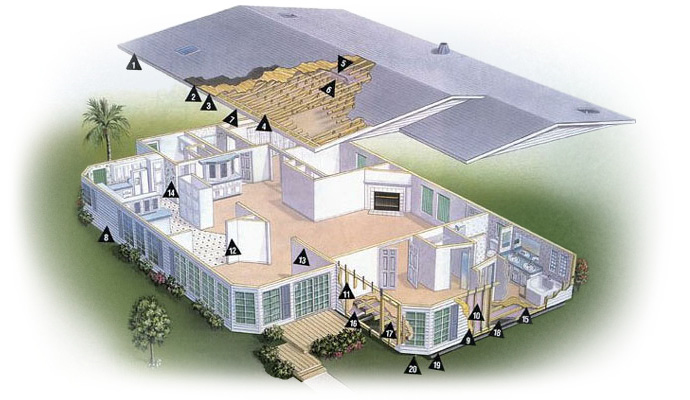
How Hurricane-Resistant Manufactured Homes Are Built

Manufactured homes today are built in controlled factory environments using consistent processes and rigorous inspections. Unlike older models, modern designs focus on structural integrity, wind resistance, and secure connections from the roof all the way down to the foundation.

Key construction features include:

  • Reinforced steel chassis systems that provide strength and stability
  • Engineered roof trusses designed to resist uplift from high winds
  • Impact-resistant exterior materials such as vinyl siding or fiber cement
  • Secure wall to roof and wall to floor connections using metal straps and fasteners
  • Windows and doors tested to meet wind pressure requirements

Because construction happens indoors, materials are protected from moisture and warping during the build process. This results in a tighter, more precise structure that performs better during severe weather. Once the home is delivered to the site, it is anchored and installed according to local wind zone requirements, which is a critical step in hurricane resistance.

What Makes a Manufactured Home Wind Zone Rated

Manufactured homes are built to meet federal HUD standards that include wind zone classifications. These zones define the wind speeds a home must be able to withstand.

There are three primary wind zones:

  • Wind Zone I covers areas with lower wind risk
  • Wind Zone II applies to regions with moderate hurricane exposure
  • Wind Zone III is required in the highest risk coastal areas, including much of Florida

Wind Zone III homes are engineered to withstand sustained winds of up to 110 miles per hour or higher, depending on local codes. These homes feature stronger framing, additional tie downs, enhanced roof systems, and more robust anchoring requirements. When purchasing a manufactured home in Florida, it is essential to ensure it is properly rated for the wind zone where it will be installed.

Are New Manufactured Homes Safer Than Older Ones?

Yes, significantly so. Manufactured homes built before the HUD Code was established in 1976 were not subject to the same engineering and safety standards as modern homes. Even homes built in the 1980s and 1990s may not meet today’s wind resistance requirements.

New manufactured homes benefit from:

  • Updated HUD regulations and ongoing code improvements
  • Better materials such as high-strength fasteners and advanced sheathing
  • Improved design software that accounts for wind uplift and lateral forces
  • Stricter installation and inspection standards

Florida homeowners upgrading from an older manufactured home often see a dramatic improvement in storm performance and overall safety. Replacement homes built to current standards can provide greater peace of mind during hurricane season while also improving energy efficiency and comfort.

Florida Safety Standards for Manufactured Homes

Florida has some of the most stringent building and installation requirements in the country due to its exposure to hurricanes and tropical storms. Manufactured homes installed in the state must comply with both federal HUD standards and Florida-specific regulations.

Key Florida safety requirements include:

  • Compliance with Wind Zone II or Wind Zone III standards, depending on location
  • Engineered anchoring systems designed for local soil conditions
  • Professional installation by licensed contractors
  • Local permitting and inspections to verify compliance

Homes installed in coastal or high-risk areas often require additional tie downs, ground anchors, and reinforced foundations. In some cases, elevated or stilt home designs are used in flood-prone zones to further protect the structure.

Florida also enforces strict zoning and siting rules to ensure manufactured homes are placed in appropriate locations. Proper siting considers wind exposure, drainage, and surrounding terrain, all of which play a role in how a home performs during severe weather.

Preparing Your Home Before Hurricane Season

Even the best-built home benefits from proactive preparation. Regular maintenance and seasonal checks can make a meaningful difference in how your manufactured home performs during a hurricane.

Steps homeowners should take before storm season include:

  • Inspecting tie downs and anchors to ensure they are secure and free of corrosion
  • Checking the roof for loose shingles, damaged flashing, or debris buildup
  • Sealing gaps around windows and doors to prevent water intrusion
  • Trimming trees and removing loose items around the home
  • Reviewing your insurance coverage and emergency plans

Proper preparation not only protects your home but also helps safeguard your family and belongings during a storm.

Best Maintenance Tips for Storm Protection

Ongoing maintenance is one of the most effective ways to extend the life of your manufactured home and maintain its storm resistance.

Best practices include:

  • Schedule professional inspections of anchoring systems every few years
  • Replace aging roof materials before they become a liability
  • Keep gutters and drainage systems clear to prevent water damage
  • Upgrade to storm-rated windows and doors if your home does not already have them
  • Address minor repairs promptly to avoid larger issues during high winds

Homeowners who invest in regular upkeep often find their homes perform better during extreme weather and retain their value over time.

Confidence in Manufactured Homes for Florida Living

The perception that manufactured homes cannot withstand hurricanes is outdated. Modern designs, strict safety standards, and professional installation have transformed the industry. When built and installed correctly, today’s manufactured homes are engineered to stand up to Florida’s challenging climate.

For homeowners seeking affordability without compromising safety, manufactured homes offer a compelling option. They provide flexibility in design, faster construction timelines, and proven performance when paired with proper maintenance and storm preparation.

If you are considering a manufactured home in Southwest Florida, LeeCorp Homes is ready to help. A family-owned business founded in 1983, we are committed to quality craftsmanship and ensuring you get a home you can be proud of. No matter your lifestyle, we can create a home that is right for you, whether you are thinking of a simple single-wide hideaway, a waterfront stilt home, or a three-bedroom home designed to welcome friends and family. We are ready to make your plans a reality. As specialists in manufactured homes, we know how to help you get the most from your home, from ensuring your home meets local zoning and building requirements to strategic siting that takes full advantage of waterfront or golf course views to ADA compliance if you are looking for extra peace of mind. If you want to install a home on your own property, we provide full site development services, everything from grading to well and septic system installation. We also provide state-of-the-art replacement homes if you are ready for an upgrade from an existing manufactured home. We make the homebuilding process simple for you by taking care of everything. We oversee every step of the construction process to be sure everything is perfect for you. We offer simple and transparent pricing, and our services include the installation of landscaping, carports or garages, sunrooms, and storage sheds. To learn more about hurricane-resistant manufactured homes and explore your options, contact us and let our experienced team help you build with confidence.

What Are the Different Foundation Types for Manufactured Homes?

Choosing the right foundation is one of the most important decisions you will make when planning a manufactured home. While floor plans, finishes, and location often get the most attention, the foundation quietly does the heavy lifting by supporting the home, protecting it from the elements, and influencing everything from financing to resale value. Understanding manufactured home foundation types early in the planning process helps you avoid surprises later and ensures your home meets local codes, lifestyle needs, and long-term goals.

manufactured home foundation types

Manufactured homes are uniquely designed to work with several foundation options, giving buyers flexibility that traditional site-built homes do not always offer. Whether you are building on a rural lot, a waterfront property, or within a planned community, the foundation you choose can shape how your home looks, how it performs, and how it is valued over time. Below, we will break down the most common foundation options, explain their pros and cons, and walk through key considerations like cost, permanence, financing, and resale.

Common Manufactured Home Foundation Types

Manufactured homes are typically installed on one of three primary foundation systems: pier and beam, slab, or basement. Each option has its own advantages depending on your location, budget, soil conditions, and personal preferences.

Pier and Beam Foundations

Pier and beam foundations are one of the most common choices for manufactured homes, especially in areas with warm climates or challenging soil conditions. This system uses a series of concrete piers or blocks placed strategically beneath the home, with beams running horizontally to support the structure.

Pros of pier and beam foundations:

  • Generally more affordable than slab or basement foundations
  • Faster installation timeline
  • Allows easy access to plumbing, electrical, and mechanical systems
  • Performs well on uneven or shifting soil
  • Elevates the home slightly, which can help with drainage and minor flooding

Cons of pier and beam foundations:

  • Less protection from severe weather compared to enclosed foundations
  • May require periodic re-leveling over time
  • Crawl space must be properly enclosed and maintained to prevent moisture and pests

From a code perspective, pier and beam foundations must comply with HUD manufactured home installation standards and local building codes. This typically includes requirements for pier spacing, anchoring, tie downs, and soil load capacity. In many areas, the foundation must also be designed to resist wind uplift and lateral movement, which is especially important in hurricane-prone regions like Southwest Florida.

Slab Foundations

A slab foundation consists of a reinforced concrete pad poured directly on the ground. The manufactured home is anchored to the slab, creating a solid, low-profile base. Slab foundations are popular in warmer climates where frost depth is not a concern.

Pros of slab foundations:

  • Strong and durable with minimal maintenance
  • Provides excellent resistance to wind and storm forces
  • Lower risk of pests entering from below
  • Clean, finished appearance at ground level
  • Often meets requirements for permanent foundation classification

Cons of slab foundations:

  • Limited access to plumbing and utilities after installation
  • Can be more expensive upfront than pier and beam
  • Repairs involving the slab can be disruptive and costly
  • Less flexibility if the site has poor drainage or uneven grading

Code requirements for slab foundations usually include minimum thickness, reinforcement specifications, and proper anchoring systems. Local jurisdictions may also require engineered plans, especially in high wind zones. Proper site preparation is critical, including grading, compaction, and drainage planning, to ensure long-term performance.

Basement Foundations

Basement foundations are less common for manufactured homes, but are an option in certain regions and for specific homeowner needs. This system involves building a full or partial basement, typically with concrete or masonry walls, and placing the manufactured home on top.

Pros of basement foundations:

  • Adds significant storage or living space
  • Enhances storm protection
  • Can increase overall home value
  • Creates a traditional site-built home appearance
  • Offers easy access to utilities

Cons of basement foundations:

  • Highest cost among foundation options
  • Longer construction timeline
  • Not suitable for all soil types or high water table areas
  • Requires careful engineering and waterproofing

Basement foundations must meet both manufactured home installation standards and standard residential building codes. This often includes egress requirements, ceiling height minimums, and structural load calculations. In areas with high groundwater levels or flood risks, basements may not be permitted or may require extensive mitigation measures.

Understanding Permanent vs. Non-Permanent Foundations

One of the most important distinctions when choosing a foundation is whether it is considered permanent or non-permanent. This classification affects financing, taxes, insurance, and resale.

A permanent foundation is designed to remain in place indefinitely and typically includes:

  • Continuous footings or slabs
  • Permanent anchoring systems
  • Removal of the manufactured home wheels and axles
  • Compliance with HUD Permanent Foundations Guide for Manufactured Housing

A non-permanent foundation may include temporary or semi-permanent supports that can be removed or adjusted, such as some pier and beam systems that do not meet permanence criteria.

Permanent foundations are often required for conventional mortgage financing, VA loans, and FHA loans. They can also allow the home to be classified as real property rather than personal property, which can have tax and resale benefits.

How Foundation Choice Affects Resale Value

Foundation type plays a noticeable role in how a manufactured home is perceived by buyers and appraisers. Homes on permanent foundations generally attract a wider pool of buyers and may appraise closer to site-built homes, especially when paired with land ownership.

Factors that can improve resale value include:

  • Permanent foundation classification
  • Enclosed or finished foundation appearance
  • Compliance with local building and zoning codes
  • Integration with landscaping, driveways, and outdoor features

Pier and beam homes can still resell well, particularly in communities where they are the norm. However, slab or basement foundations may provide a stronger return on investment in markets where buyers prioritize durability and financing flexibility.

Does Foundation Type Impact Financing?

Yes, foundation choice has a direct impact on financing options. Lenders assess risk based on stability, permanence, and code compliance.

In general:

  • Permanent foundations qualify for more loan programs
  • Slab and basement foundations are often preferred by lenders
  • Non-permanent foundations may limit buyers to chattel loans with higher interest rates
  • FHA, VA, and USDA loans usually require permanent foundations

Working with a knowledgeable manufactured home specialist can help ensure your foundation choice aligns with your financing goals from the start.

Typical Costs of Manufactured Home Foundations

Foundation costs vary widely based on location, soil conditions, home size, and local labor rates. While exact pricing requires a site evaluation, general ranges can help with early budgeting.

Approximate cost ranges:

  • Pier and beam: Often the most affordable option, with lower material and labor costs
  • Slab: Mid-range pricing due to concrete, reinforcement, and site preparation
  • Basement: Highest cost due to excavation, materials, waterproofing, and extended construction time

Additional factors that influence cost include:

  • Site grading and soil stabilization
  • Drainage and flood mitigation requirements
  • Engineering and permitting fees
  • Utility connections and access points

In Southwest Florida, considerations like wind load requirements, flood zones, and soil composition play a major role in determining the final foundation cost and design.

Which Foundation Option Is Right for You?

The best foundation for your manufactured home depends on a combination of practical and personal factors. There is no one-size-fits-all answer, which is why planning and expert guidance are so important.

Ask yourself:

  • Is my property in a flood zone or high wind area?
  • Do I want the home classified as real property?
  • What financing options am I planning to use?
  • Do I need easy access to plumbing or utilities?
  • Am I prioritizing upfront cost or long-term value?

A well-chosen foundation enhances comfort, safety, and peace of mind. It also ensures your manufactured home performs as intended for decades to come.

Partner with LeeCorp Homes Today

If you’re considering a manufactured home in Southwest Florida, LeeCorp Homes is ready to help. A family-owned business founded in 1983, we’re committed to quality craftsmanship and ensuring you get a home you can be proud of. No matter your lifestyle, we can create a home that’s right for you, whether you’re thinking of a simple single-wide hideaway, a waterfront stilt home, or a three-bedroom home designed to welcome friends and family. We’re ready to make your plans a reality. As specialists in manufactured homes, we know how to help you get the most from your home, from ensuring your home meets local zoning and building requirements to strategic siting that takes full advantage of waterfront or golf course views to ADA compliance if you’re looking for extra peace of mind. If you want to install a home on your own property, we provide full site development services, everything from grading to well and septic system installation. We also provide state-of-the-art replacement homes if you’re ready for an upgrade from an existing manufactured home. We make the homebuilding process simple for you by taking care of everything. We oversee every step of the construction process to be sure everything’s perfect for you. We offer simple and transparent pricing, and our services include the installation of landscaping, carports or garages, sunrooms, and storage sheds. Contact us to start planning your manufactured home with confidence and expert support.