
If you have ever searched online for manufactured homes vs mobile homes, you have probably noticed the terms are often used interchangeably. Friends, real estate listings, and even news articles frequently blur the lines between the two. However, there is a meaningful difference between a manufactured home and what is legally considered a mobile home. Understanding that distinction can impact everything from financing and insurance to resale value and long-term investment potential.
For homebuyers in Southwest Florida and beyond, knowing the difference is more than just a matter of terminology. It can influence how your home is built, how safe it is during severe weather, how it appreciates over time, and what loan options are available to you. Let’s take a closer look at how these two types of homes compare and why the distinction matters.
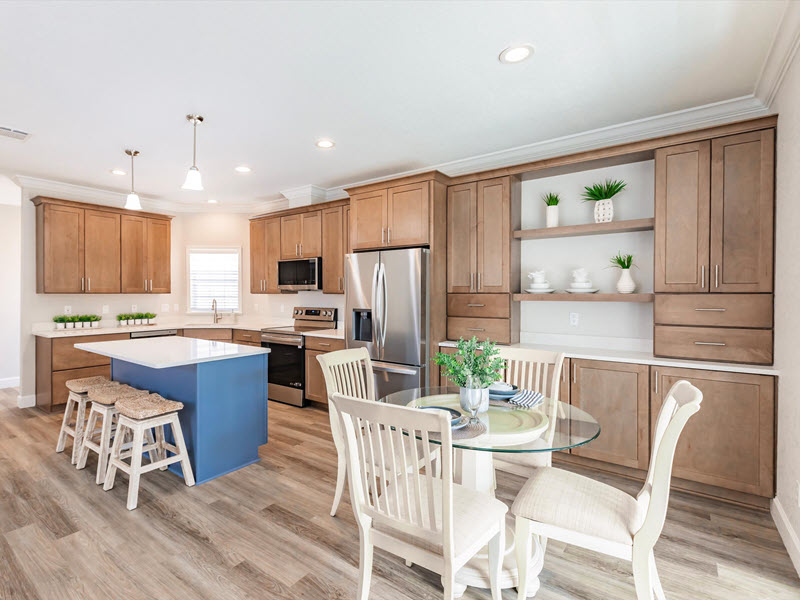
Manufactured Homes vs Mobile Homes: Modern Definitions
The confusion around these terms largely comes down to history and federal regulation.
A mobile home refers specifically to factory-built homes constructed before June 15, 1976. On that date, the United States Department of Housing and Urban Development implemented a national construction code known as the HUD Code. Homes built before that date were not required to follow uniform federal construction standards. They are legally classified as mobile homes.
A manufactured home is a factory-built home constructed on or after June 15, 1976, in compliance with the HUD Code. These homes must meet strict federal standards for:
- Structural strength
- Wind resistance
- Energy efficiency
- Fire safety
- Plumbing and electrical systems
While both types of homes are built in a factory and transported to a site, the legal distinction is significant. The term mobile home is outdated when referring to modern homes built under HUD standards. Today, the correct term for new factory-built housing is manufactured home.
Why Manufactured Homes Are Not the Same as Mobile Homes
The most important difference is regulation. Manufactured homes are built under a national code that ensures consistent safety and construction standards across the country. Mobile homes were not subject to this oversight.
This means:
- Manufactured homes are engineered to meet specific wind zone requirements
- They must pass inspections and display a red HUD certification label
- They follow modern building standards similar in many ways to site-built homes
Mobile homes, especially older ones, may lack the reinforcements and safety features required today. In states like Florida, where hurricanes are a concern, this difference becomes especially important.
Another distinction is perception. Because the term mobile home is often associated with older housing stock, it can carry outdated stereotypes. Manufactured homes, by contrast, are modern, customizable residences designed to meet today’s expectations for comfort and style.
Safety, Quality, and Construction Improvements
One of the biggest misconceptions about manufactured housing is that it is somehow lower quality than traditional construction. In reality, modern manufactured homes are built in climate-controlled environments using advanced engineering techniques and standardized processes that often result in excellent consistency and durability.
How HUD Standards Changed the Industry
The implementation of the HUD Code in 1976 transformed the industry. It introduced:
- National construction and safety standards
- Federal oversight and inspection processes
- Design requirements for energy efficiency
- Specific wind load standards by region
In hurricane-prone areas like Southwest Florida, manufactured homes must meet Wind Zone II or Wind Zone III requirements, depending on the location. These standards ensure homes are engineered to withstand significant wind speeds.
The HUD Code also mandates improvements in:
- Fire resistance materials
- Smoke alarm placement
- Thermal protection and insulation
- Electrical safety systems
Unlike traditional site-built homes, manufactured homes are built in sections inside a controlled factory setting. This process protects materials from weather-related damage during construction and allows for more consistent quality control.
Today’s manufactured homes offer features that rival or exceed many conventional homes, including:
- Open floor plans
- Energy-efficient windows and appliances
- High-quality cabinetry and finishes
- Custom exterior options
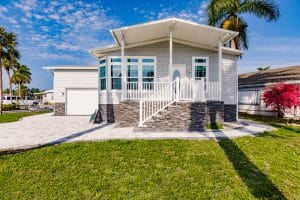
- Elevated stilt designs for waterfront properties
Modern manufactured homes are designed with both comfort and longevity in mind. They are no longer the narrow, basic structures many people picture when they hear the term mobile home.
Financing and Resale Differences Buyers Should Know
The legal classification of a home can significantly affect financing options, insurance coverage, and resale value.
Because manufactured homes built after 1976 meet federal construction standards, lenders are generally more willing to finance them. They can qualify for:
- FHA loans
- VA loans
- Conventional mortgages
- Specialized manufactured home loan programs
Mobile homes built before 1976 may have limited financing options. Many lenders will not issue traditional mortgages for pre-HUD Code homes due to structural and safety concerns.
What This Difference Means for Insurance and Loans
Insurance companies also recognize the distinction between mobile homes and manufactured homes. Manufactured homes that meet HUD standards typically qualify for broader insurance coverage because they are built to regulated safety specifications.
From a resale standpoint, the classification matters as well. Manufactured homes that are:
- Properly installed on a permanent foundation
- Titled as real property
- Located on owned land
may appreciate in value similarly to site-built homes, depending on market conditions and location.
Older mobile homes, especially those in leased land communities, may depreciate more quickly and can be harder to insure or finance.
For buyers, understanding these differences helps you make informed decisions about long-term investment. A modern manufactured home offers more stability in terms of financing, insurance, and resale compared to a pre-1976 mobile home.
The Evolution of Design and Lifestyle Flexibility
Beyond regulations and financing, the difference between manufactured homes and mobile homes reflects an evolution in lifestyle possibilities.
Today’s manufactured homes can be customized to suit a wide range of needs, including:
- Single-wide or multi-section layouts
- Three-bedroom family homes
- Waterfront stilt homes elevated for coastal living
- ADA-compliant designs for accessibility
- Attached garages or carports
- Sunrooms and outdoor living spaces
They are not simply temporary structures. Many homeowners choose manufactured homes as permanent residences that reflect their personal style and support their long-term plans.
In Southwest Florida, manufactured homes are especially popular for:
- Retirement living
- Seasonal residences
- Waterfront properties
- Golf course communities
- Replacement homes after storm damage
Because they are built to meet modern building codes, they can be strategically sited to take advantage of views, comply with zoning requirements, and align with local regulations.
Installation and Site Development Considerations
Another key difference lies in how modern manufactured homes are installed.
Proper installation is critical to safety, performance, and long-term value. Manufactured homes must be:
- Installed according to state and local codes
- Anchored to meet wind load requirements
- Placed on approved foundation systems
Professional site development may include:
- Grading and drainage preparation
- Utility hookups
- Well and septic installation if needed
- Driveways and landscaping
Older mobile homes were often placed without the same level of engineered installation standards. Today’s manufactured homes require precise setup to ensure they perform as designed.
When installation is handled by experienced professionals, the result is a home that is secure, code-compliant, and built to last.
Why the Terminology Still Matters Today
Some people may wonder why the distinction between manufactured homes and mobile homes still matters decades later. The answer is simple. The terminology reflects legal classification, construction standards, and financial implications.
Using the correct term helps:
- Set accurate expectations about safety and quality
- Clarify financing eligibility
- Improve resale positioning
- Avoid confusion in real estate transactions
When buyers understand that a manufactured home is not the same as a pre-1976 mobile home, they can approach the purchase with confidence.
Ready to Explore Manufactured Home Living?
If you are considering a manufactured home in Southwest Florida, choosing the right builder makes all the difference.
LeeCorp Homes is ready to help. As a family-owned business founded in 1983, LeeCorp Homes is committed to quality craftsmanship and ensuring you get a home you can be proud of. No matter your lifestyle, we can create a home that is right for you, whether you are thinking of a simple single-wide hideaway, a waterfront stilt home, or a three-bedroom home designed to welcome friends and family.
As specialists in manufactured homes, we know how to help you get the most from your home. We ensure your home meets local zoning and building requirements and provide strategic siting that takes full advantage of waterfront or golf course views. If you are looking for added peace of mind, we can incorporate ADA-compliant features into your design.
Planning to install a home on your own property? We provide full site development services, including grading, well and septic system installation, and all necessary preparation to make your home placement seamless. If you are ready to upgrade from an existing manufactured home, we also offer state-of-the-art replacement homes designed to bring modern comfort and efficiency to your property.
We make the homebuilding process simple by taking care of everything. Our team oversees every step of construction to ensure everything is exactly as you envision. With simple and transparent pricing, plus services that include landscaping, carports or garages, sunrooms, and storage sheds, you can enjoy a streamlined experience from start to finish.
When you are ready to learn more about modern manufactured homes and how they differ from outdated mobile homes, connect with us. We are ready to make your plans a reality and help you build a home that fits your life beautifully.

No comment yet, add your voice below!