
When comparing a manufactured home vs modular home, many buyers assume the two are essentially the same. After all, both are built in sections at a factory and transported to a homesite. However, the similarities largely end there. The differences between manufactured and modular homes affect everything from construction standards and building codes to cost, financing, customization options, and long-term value.
If you are considering a factory-built home in Florida, understanding these distinctions is key to choosing the right option for your lifestyle, property, and budget. Below, we break down what truly separates manufactured homes from modular homes so you can make a confident and informed decision.
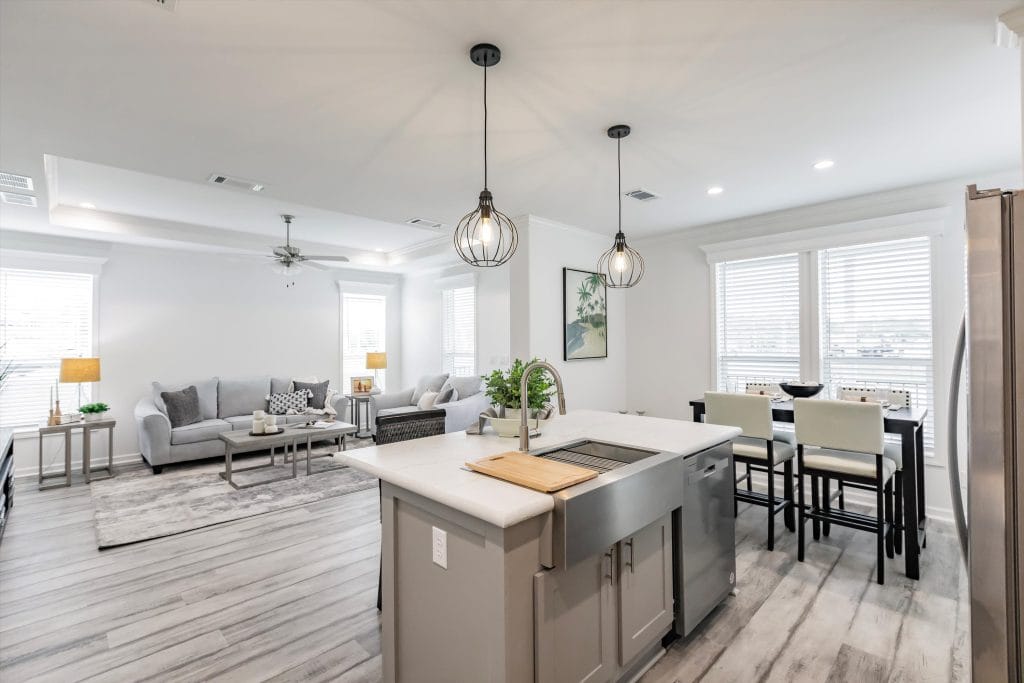
Manufactured Home vs Modular Home: Key Differences Explained
At first glance, manufactured and modular homes may look very similar. Both are precision-built in controlled environments, protected from weather delays, and designed for efficiency. But the primary differences lie in how they are regulated, installed, and classified.
How Manufactured Home vs Modular Home Construction Differs
Both home types are built off-site in sections, but the process and final placement vary significantly.
Manufactured Homes
- Built entirely in a factory on a permanent steel chassis
- Transported to the homesite in one or more sections
- Installed on a permanent foundation or piers
- Retain the steel chassis as part of the structural system
- Built according to federal standards
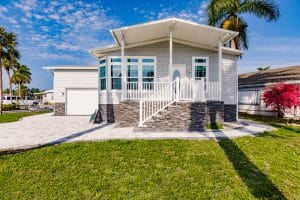
Manufactured homes were previously known as mobile homes, though modern manufactured homes are far more advanced in design, durability, and energy efficiency. Once installed, they can look virtually identical to traditional site-built homes.
Modular Homes
- Built in sections in a factory
- Transported to the site and assembled on a permanent foundation
- Do not use a permanent steel chassis
- Become structurally similar to site-built homes once installed
- Built according to local and state building codes
In simple terms, modular homes are treated much like traditional stick-built homes once they are set on the foundation. Manufactured homes remain a distinct housing category due to their chassis and federal regulations.
Construction Standards and Building Codes Compared
One of the most important differences between manufactured and modular homes involves the building codes they must follow. These codes impact structural design, inspections, and long-term flexibility.
HUD Code vs Local Building Codes
Manufactured homes are built under the HUD Code.
The HUD Code is a national construction and safety standard established by the U.S. Department of Housing and Urban Development in 1976. It ensures consistency in:
- Structural integrity
- Fire resistance
- Energy efficiency
- Plumbing and electrical systems
- Wind resistance
In Florida, manufactured homes must meet additional wind zone requirements, particularly in coastal areas where hurricanes are a concern. The HUD Code includes strict guidelines for wind resistance, making modern manufactured homes well-equipped for Florida conditions when properly installed.
Modular homes are built under local and state building codes.
These are the same codes that apply to site-built homes. In Florida, that means compliance with the Florida Building Code, which addresses:
- Wind load requirements
- Flood zone standards
- Energy conservation
- Structural engineering
- Local zoning rules
Because modular homes must comply with local codes, they are often inspected both at the factory and on-site during installation.
Why This Matters to Buyers
The difference in codes affects:
- How the home is financed
- How it is appraised
- Zoning approval
- Future remodeling possibilities
- Perceived resale value
Manufactured homes follow federal standards that are uniform nationwide. Modular homes must meet the specific codes of the area where they are installed.
Neither option is inherently better. The right choice depends on your property, budget, and long-term plans.
Cost, Timeline, and Long-Term Value Considerations
For many buyers, the decision comes down to affordability, timeline, and investment potential.
Cost Differences
Manufactured homes are typically more affordable than modular homes. This cost advantage comes from:
- Streamlined factory production
- Federal code uniformity
- Efficient material use
- Faster installation process
Modular homes often cost more because they must meet local building codes, which can require additional engineering, materials, and inspections.
However, it is important to compare total project costs rather than the base price alone. That includes:
- Site preparation
- Foundation work
- Utility connections
- Permitting
- Landscaping
- Garages or carports
In Florida, site development can be a significant portion of the total investment, especially if well and septic systems are needed.
Timeline Differences
Both manufactured and modular homes benefit from faster construction than traditional site-built homes, since factory production reduces weather delays.
Manufactured homes often have a quicker overall timeline because:
- They are built to a standardized federal code
- Installation is generally simpler
- Fewer local inspections may be required
Modular homes may take slightly longer due to:
- Additional local permitting requirements
- On-site assembly and inspections
- Custom foundation construction
Even so, both options are typically completed faster than conventional construction.
Long-Term Value and Appreciation
A common question is whether manufactured or modular homes appreciate in value.
Modular homes are generally treated like site-built homes by lenders and appraisers. Because they are built to local codes and placed on permanent foundations without a chassis, they tend to appreciate similarly to traditional homes.
Manufactured homes can also appreciate, especially when:
- Placed on owned land
- Properly installed on a permanent foundation
- Well-maintained
- Located in desirable areas
However, financing and appraisal practices sometimes differ. This can influence resale value depending on the property and market conditions.
The key factor in long term value is location, condition, and proper installation rather than simply the construction type.
Which Option Makes More Sense for Florida Buyers?
Florida presents unique considerations that can influence your decision between a manufactured home vs modular home.
Climate and Wind Zones
Southwest Florida faces hurricane risks, flood zones, and strict wind load requirements. Both manufactured and modular homes can be built to withstand these conditions, but proper installation is critical.
Manufactured homes in Florida are engineered to meet specific wind zone ratings. Choosing a home designed for your exact location ensures compliance and durability.
Modular homes must meet the Florida Building Code, which includes strong hurricane standards. This can add cost but also ensures structural resilience.
Zoning and Land Use
Some municipalities have zoning regulations that treat manufactured and modular homes differently. Before purchasing, buyers should verify:
- Local zoning allowances
- Minimum square footage requirements
- Foundation requirements
- Flood zone restrictions
Working with experienced professionals who understand local regulations can make the process far smoother.
Lifestyle and Budget
For buyers seeking affordability and efficiency, manufactured homes offer exceptional value. They are ideal for:
- Retirement living
- Seasonal homes
- Waterfront properties
- Replacement homes
- Investment properties
For buyers who want a home that mirrors traditional construction classification and financing structures, modular homes may appeal more.
Ultimately, both options can provide beautiful, energy-efficient, and durable homes. The best choice depends on your goals, budget, and property location.
Making the Right Choice for Your Future
When comparing a manufactured home vs modular home, there is no universal answer. Instead, consider the following:
- What is your total project budget, including site work?
- Are you installing the home on land you already own?
- What are your local zoning and building requirements?
- How quickly do you want to move in?
- What are your long-term resale goals?
Factory-built housing has evolved dramatically over the past few decades. Today’s manufactured and modular homes feature modern floor plans, high-quality materials, open concept living spaces, and impressive energy efficiency.
With proper planning and the right team guiding you, either option can provide a comfortable and lasting home tailored to your needs.
Ready to Explore Manufactured Homes in Southwest Florida?
If you are considering a manufactured home in Southwest Florida, LeeCorp Homes is ready to help. A family-owned business founded in 1983, we are committed to quality craftsmanship and ensuring you get a home you can be proud of.
No matter your lifestyle, we can create a home that is right for you, whether you are thinking of a simple single-wide hideaway, a waterfront stilt home, or a three-bedroom home designed to welcome friends and family. We are ready to make your plans a reality.
As specialists in manufactured homes, we know how to help you get the most from your home. We ensure your home meets local zoning and building requirements, provide strategic siting that takes full advantage of waterfront or golf course views, and offer ADA compliance options if you are looking for extra peace of mind.
If you want to install a home on your own property, we provide full site development services, including grading, well installation, septic system installation, and more. We also offer state-of-the-art replacement homes if you are ready to upgrade from an existing manufactured home.
We make the homebuilding process simple by taking care of everything. We oversee every step of construction to ensure everything is perfect for you. With simple and transparent pricing, plus services that include landscaping, carports or garages, sunrooms, and storage sheds, you can feel confident knowing every detail is handled.
Contact us today and let our experienced team help you turn your vision into a home built for Florida living.

No comment yet, add your voice below!