Do Manufactured Homes Lose Value Over Time?

If you are exploring homeownership options, it is completely natural to wonder how a manufactured home will hold its value over time. One of the most common concerns buyers raise is manufactured home depreciation, and whether these homes always lose value the way cars do once they leave the lot. The reality is far more nuanced. While some manufactured homes do depreciate under certain conditions, others hold their value well, and some can even appreciate. Understanding how depreciation works, what factors influence long-term value, and how smart ownership choices can make a difference will help you make a confident and informed decision.
manufactured home depreciation

This guide is designed to answer financial ownership questions in a clear, practical way. Whether you are considering your first manufactured home or evaluating a replacement home on your own land, the information below will help you understand what truly affects value over time.

Understanding Manufactured Home Depreciation

Manufactured home depreciation refers to the potential decline in a home’s market value over time. Historically, manufactured homes gained a reputation for depreciating quickly, largely due to older construction standards, mobile home park settings, and financing structures that treated homes more like personal property than real estate.

However, modern manufactured homes are very different from those built decades ago. Since the HUD Code was introduced and updated, construction quality, energy efficiency, safety standards, and design options have improved significantly. Today’s manufactured homes can rival site-built homes in comfort, appearance, and durability.

Depreciation is not automatic or guaranteed. It depends on several key factors, including:

  • Whether the home is titled as personal property or real property
  • The quality of construction and materials
  • Where the home is located and how the land is owned
  • Ongoing maintenance and care
  • Market conditions and local demand

A manufactured home placed on leased land in a park setting and titled as personal property may depreciate faster, especially if the surrounding area declines. On the other hand, a manufactured home permanently installed on owned land and properly maintained can behave much more like a traditional site-built home in terms of value trends.

It is also important to distinguish between depreciation in theory and real-world resale value. Even if a home depreciates slightly on paper, that does not mean it lacks resale demand or long-term financial value, especially in regions where affordable housing is in high demand.

Why Some Homes Hold or Gain Value

While depreciation gets most of the attention, many manufactured homes hold their value well, and some appreciate under the right conditions. Appreciation is more likely when the home is treated as real estate rather than personal property and when it benefits from strong location fundamentals.

Homes that are permanently installed on a foundation, titled as real property, and located on privately owned land are more likely to experience appreciation over time. In these situations, the land itself plays a major role in overall value, often offsetting any depreciation of the structure.

Other reasons some manufactured homes hold or gain value include:

  • Placement in desirable or growing markets
  • Proximity to waterfronts, golf courses, or amenities
  • High-quality construction and modern design
  • Strong local demand for affordable housing
  • Compliance with zoning, building codes, and wind standards

In areas like Southwest Florida, population growth, limited land availability, and lifestyle-driven demand can create favorable conditions for value stability or growth. When buyers focus on quality, location, and long-term planning, manufactured homes can be a smart and stable housing investment.

How Location Impacts Value Retention

Location is one of the most powerful influences on whether a manufactured home depreciates or holds value. Just like traditional homes, manufactured homes benefit from being placed in areas with strong demand, good infrastructure, and appealing surroundings.

Homes located on owned land generally retain value better than those on leased land. Ownership of the land gives you control, stability, and long-term equity potential. In addition, homes placed in well-planned communities or private lots with attractive views tend to perform better over time.

Key location factors that support value retention include:

  • Desirable school districts and community services
  • Access to beaches, waterways, or golf courses
  • Stable or growing local economies
  • Favorable zoning that supports manufactured housing
  • Low risk of flooding when properly sited

Strategic siting matters as well. Proper elevation, orientation, and compliance with local building requirements can improve durability and market appeal. When a home fits naturally into its environment and neighborhood, buyers perceive it as a long-term residence rather than a temporary structure.

Do Newer Models Depreciate Slower?

Newer manufactured homes often depreciate more slowly than older models, especially those built before modern HUD standards were introduced or updated. Advances in construction technology, materials, and design have significantly improved how today’s homes age.

Newer models typically offer:

  • Better energy efficiency and insulation
  • Improved wind resistance and structural integrity
  • Contemporary layouts and finishes
  • Compliance with current safety and building codes

Because these homes meet modern expectations, they tend to remain attractive to future buyers for longer periods. Energy-efficient features can also lower operating costs, which adds to perceived value and buyer interest.

Another factor is financing. Newer manufactured homes that are permanently installed and titled as real property may qualify for traditional mortgage products, which can broaden the buyer pool and support resale value.

While no home is immune to market fluctuations, choosing a newer model with quality craftsmanship can help slow depreciation and improve long term satisfaction.

Ways to Reduce Depreciation Over Time

While some depreciation factors are outside of your control, many are directly influenced by how you plan, install, and maintain your manufactured home. Proactive ownership can make a meaningful difference in long-term value.

Here are practical ways to reduce depreciation over time:

  • Install the home on a permanent foundation when possible
  • Title the home as real property rather than personal property
  • Choose a desirable lot with long-term appeal
  • Keep up with routine maintenance and repairs
  • Protect the home from weather-related damage
  • Maintain curb appeal and landscaping

Routine care matters more than many owners realize. Simple actions like repairing siding, maintaining roofing, servicing HVAC systems, and keeping the exterior clean can preserve both function and appearance. A well-cared-for home signals value to future buyers.

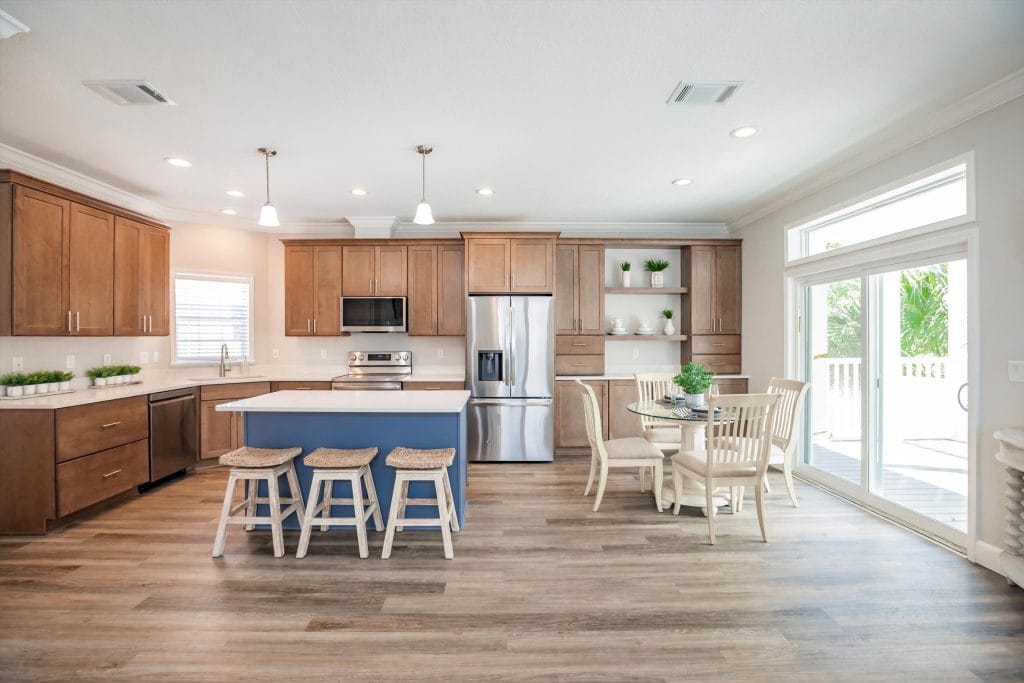
Upgrading outdated features over time can also help. When done thoughtfully, updates can keep your home competitive with newer models and changing buyer preferences.

Should You Invest in Upgrades to Offset Depreciation?

Strategic upgrades can help offset depreciation, but not every improvement offers the same return. The key is focusing on upgrades that enhance functionality, efficiency, and broad appeal rather than overly personalized features.

Upgrades that tend to support value include:

  • Energy-efficient windows and doors
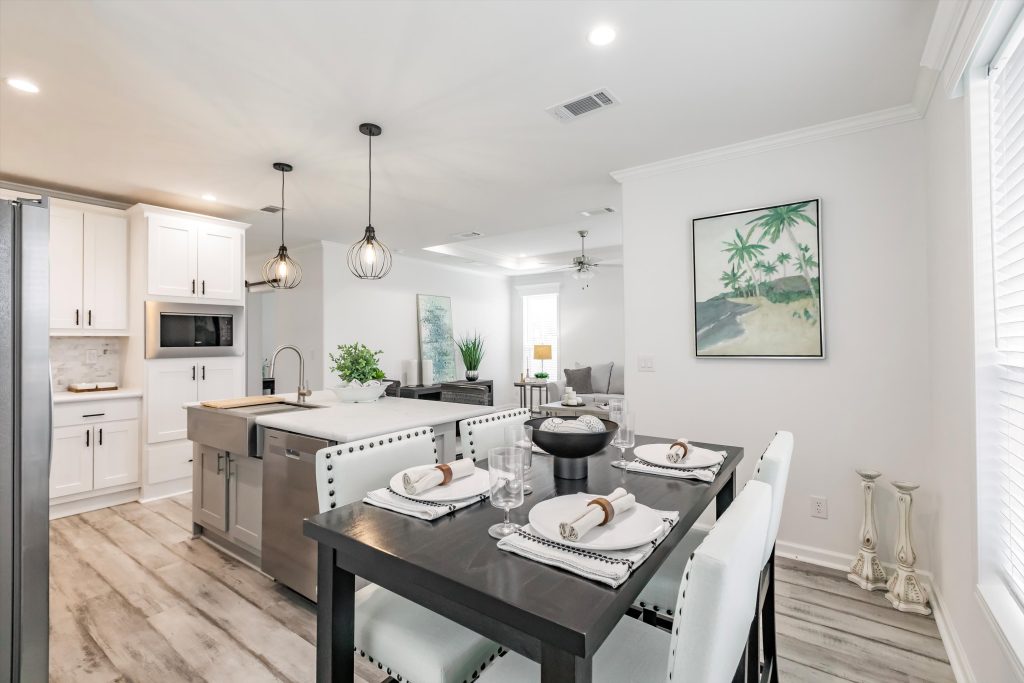
  • Updated kitchens and bathrooms
  • Durable flooring materials
  • Improved insulation or roofing
  • Added storage or covered parking

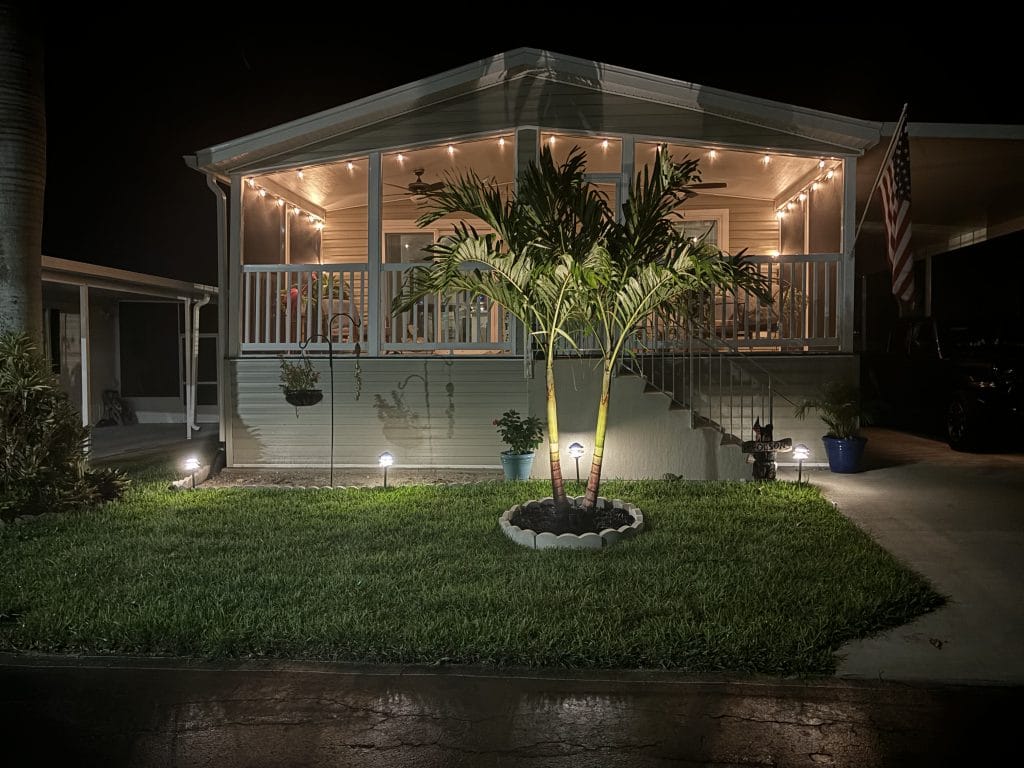
Exterior improvements often provide strong returns because they enhance first impressions. Landscaping, carports, garages, and sunrooms can all increase usability and visual appeal.

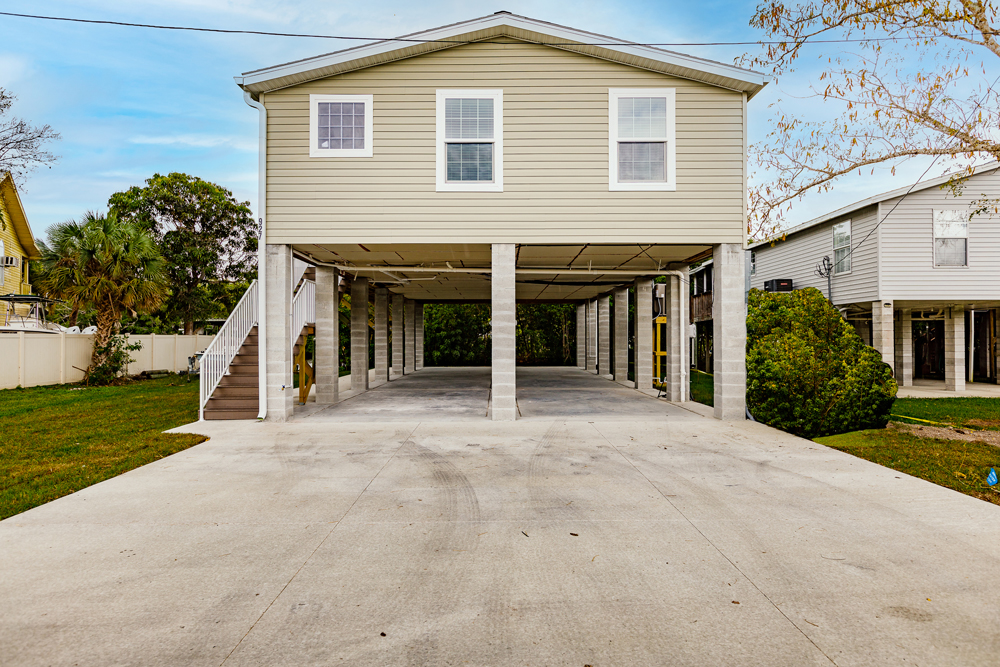
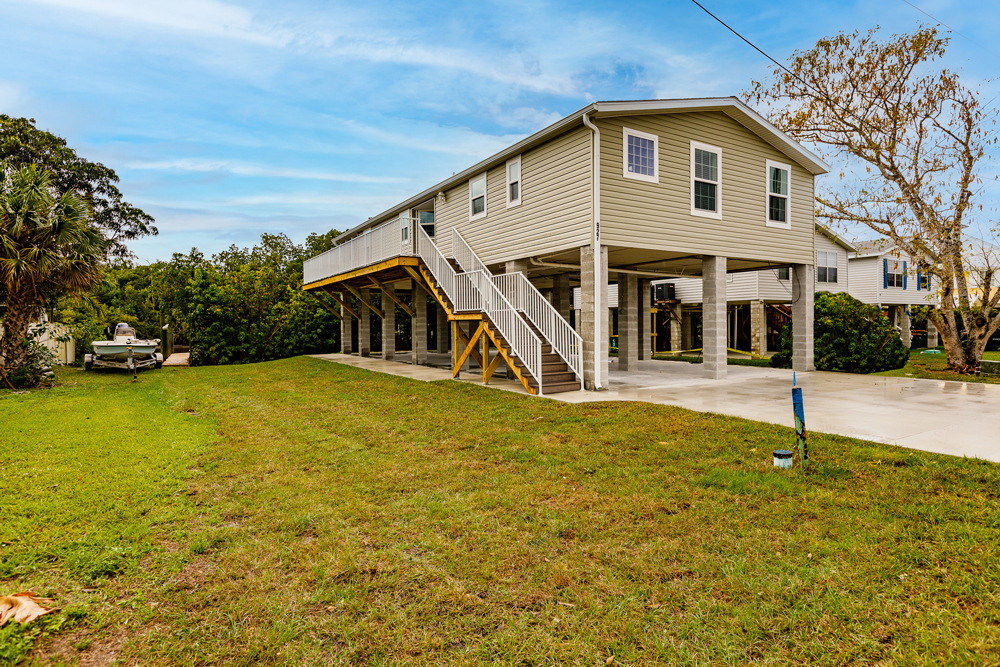
It is also important to consider regional preferences. In Southwest Florida, features like storm readiness, ADA-compliant access, elevated stilt construction near waterfronts, and outdoor living spaces can significantly influence desirability.

Before investing in major upgrades, it helps to work with professionals who understand local market trends and zoning requirements. This ensures your improvements align with buyer expectations and long-term value goals.

Putting It All Together

So, do manufactured homes lose value over time? The honest answer is that it depends. Manufactured home depreciation is influenced by location, land ownership, construction quality, maintenance, and market conditions. While some homes may depreciate, many hold their value well, and some appreciate when placed and cared for thoughtfully.

Modern manufactured homes are not the same as those of the past. With the right planning, they can offer an affordable, flexible, and financially sound path to homeownership. For buyers focused on lifestyle, comfort, and long-term practicality, manufactured homes remain a compelling option.

Ready to Explore Your Options with Confidence?

If you are considering a manufactured home in Southwest Florida, LeeCorp Homes is ready to help. A family-owned business founded in 1983, we are committed to quality craftsmanship and ensuring you get a home you can be proud of. No matter your lifestyle, we can create a home that is right for you, whether you are thinking of a simple single-wide hideaway, a waterfront stilt home, or a three-bedroom home designed to welcome friends and family.

We are ready to make your plans a reality. As specialists in manufactured homes, we know how to help you get the most from your home, from ensuring your home meets local zoning and building requirements to strategic siting that takes full advantage of waterfront or golf course views to ADA compliance if you are looking for extra peace of mind.

If you want to install a home on your own property, we provide full site development services, everything from grading to well and septic system installation. We also provide state-of-the-art replacement homes if you are ready for an upgrade from an existing manufactured home. We make the homebuilding process simple for you by taking care of everything. We oversee every step of the construction process to be sure everything is perfect for you.

We offer simple and transparent pricing, and our services include the installation of landscaping, carports or garages, sunrooms, and storage sheds. Contact us to learn more and start building a home that fits your life today.
What Are Land Packages for Manufactured Homes?

What Are Land Packages for Manufactured Homes?

Understanding Manufactured Home Land Packages

Manufactured home land packages have become a popular choice for buyers who want a simple, streamlined way to purchase both a home and the property it sits on. These packages combine a manufactured home with a parcel of land to create a single, coordinated purchase. For many buyers, manufactured home land packages offer convenience, cost savings, and long-term stability compared to buying a home and land separately. As the manufactured housing market continues to grow, more buyers are looking for guidance on how these packages work, what advantages they offer, and how to evaluate whether they are the right fit.

Benefits of Buying a Land-Home Package

Purchasing a land-home package provides a wide range of benefits that go beyond convenience. Buyers often appreciate that the home and land are tied together from the start, making the entire ownership experience more cohesive. Many lenders prefer this structure because the home becomes real property rather than personal property, which opens the door to a wider range of mortgage options. Land-home packages also simplify the process of preparing the property for the new home. Instead of coordinating multiple contractors, a single provider can manage site development, foundation placement, utility hookups, and permitting. This reduces stress while ensuring the home is installed correctly and meets local requirements. Additionally, owning both the land and the home builds long-term equity. Instead of making monthly payments for a leased lot, buyers invest in an asset that grows over time. This stability appeals to homeowners who want full control over their homesite, the ability to customize their outdoor space, and the comfort of long-term financial security.

How Land Packages Simplify the Setup Process

One of the biggest advantages of a land-home package is how much it simplifies the setup and installation process. When a buyer purchases a manufactured home to place on land they already own, they typically need to handle site preparation themselves or hire separate contractors to manage it. This might include grading, foundation construction, driveway installation, utility work, and ensuring the site complies with local building regulations. A land-home package eliminates the need to coordinate all of these steps individually. The provider manages the entire process from the moment the land is selected. This includes surveying the property, preparing the site, constructing the foundation, installing required infrastructure, and coordinating inspections with local authorities. Because everything is handled by one source, there is better consistency in workmanship and fewer delays caused by miscommunication between contractors. Homeowners can also trust that the installation meets state and local codes, which is essential for safety and long-term durability. With a land-home package, the buyer enjoys a turnkey experience that makes move-in day faster and much less stressful.

Are Land Packages More Cost-Effective?

Many buyers find that land-home packages are more cost-effective than buying a home and land separately. There are several reasons for this. First, combining the land and the home into one mortgage often results in lower monthly payments than financing them individually. Mortgage loans generally have better interest rates and terms than the chattel loans commonly used for manufactured homes placed on leased land. This can lead to substantial savings over the life of the loan. Second, site preparation costs are often lower when included in a package. Providers who specialize in land-home packages typically have established relationships with contractors and can negotiate better pricing for grading, utility installation, and foundation work. These savings get passed on to the buyer. Third, ownership of both the land and the home enhances long-term equity and resale value. A manufactured home placed on owned land generally appreciates more than one on rented land. This makes a land-home package a smart financial choice for homeowners who want to invest in a long-term residence or plan to resell in the future. Combined, these factors help explain why many buyers view land-home packages as a more cost-effective path to homeownership.

Financing Options for Manufactured Home Land Packages

Financing a land-home package is often easier and more flexible than financing a manufactured home alone. When the land and home are purchased together, the home is classified as real property, which opens the door to traditional mortgage products. Buyers may qualify for FHA loans, VA loans, USDA loans, or conventional mortgages depending on their situation. These loan options tend to offer lower down payments, better interest rates, and longer repayment terms. FHA loans, for example, allow buyers to put down as little as 3.5 percent while enjoying competitive interest rates. VA loans may offer zero down payment for qualified veterans, making them an excellent option for military families. USDA loans provide favorable terms for properties located in eligible rural areas and may also allow zero down payment. Conventional loans are available as well and may be appealing for buyers with strong credit who prefer flexibility in their financing structure. Because the home and land are financed together, buyers avoid the need for dual loans or higher-interest chattel loans. This unified structure simplifies budgeting and improves affordability. Before choosing a loan program, buyers should consider factors like down payment requirements, property eligibility guidelines, and long-term financial goals. Working with a knowledgeable manufactured home specialist can help buyers compare loan options and identify the most cost-effective path to ownership.

What to Check Before Purchasing Land for a Manufactured Home

Before investing in a land-home package, it is important to evaluate the land itself to ensure it is suitable for a manufactured home. Buyers should start by reviewing zoning regulations to confirm that manufactured homes are allowed in the area. Some neighborhoods have restrictions that limit the type, size, or age of homes that can be placed on the property. Next, buyers should consider access to utilities. If the land is not already equipped with water, sewer, electricity, or internet services, installation will be needed. A land-home package provider can help coordinate these steps, but it is important to understand upfront what will be required and whether the site presents unique challenges. Drainage and soil conditions also matter. A site may require additional grading or engineering to support a solid foundation. Flood zone designation is another key factor, especially in regions prone to heavy rain or hurricanes. Buyers should confirm that the land can safely support the type of home they plan to install. Finally, it is wise to consider the long-term goals for the property. Some buyers want space for a garage, a porch, a workshop, or landscaping features. Evaluating the land early helps ensure it can accommodate future additions and create a comfortable, enjoyable living environment.

Contact Us Today

If you are considering a manufactured home in Southwest Florida, LeeCorp Homes is ready to help. A family-owned business founded in 1983, we are committed to quality craftsmanship and ensuring you get a home you can be proud of. No matter your lifestyle, we can create a home that is right for you, whether you are thinking of a simple single-wide hideaway, a waterfront stilt home, or a three-bedroom home designed to welcome friends and family. We are ready to make your plans a reality. As specialists in manufactured homes, we know how to help you get the most from your home, from ensuring it meets local zoning and building requirements to strategic siting that takes full advantage of waterfront or golf course views to ADA compliance if you want extra peace of mind. If you want to install a home on your own property, we provide full site development services, including grading, well installation, and septic system installation. We also offer state-of-the-art replacement homes if you are ready to upgrade from an existing manufactured home. Our goal is to make the homebuilding process simple for you by taking care of everything. We oversee every step of construction to ensure everything is perfect for you. We offer simple and transparent pricing, and our services include landscaping installation, carports or garages, sunrooms, and storage sheds. If you are ready to explore your options or begin planning your new home, contact us today.

How Is a Manufactured Home Set Up from Start to Finish?

How Is a Manufactured Home Set Up from Start to Finish?

Understanding the Manufactured Home Setup Process

Choosing a manufactured home is an exciting step toward comfortable and affordable living, and understanding what comes next can help you feel confident throughout the journey. The manufactured home setup process involves several essential stages, starting long before the home arrives on your property and continuing through delivery, installation, and final inspection. When you know what to expect, planning becomes easier, stress levels stay low, and you can look forward to moving day with anticipation instead of uncertainty.

Buying a manufactured home gives you the benefit of a streamlined building approach, where the home is constructed off-site in a climate-controlled factory. This careful environment ensures quality craftsmanship, consistent standards, and fewer delays from weather or labor shortages. Once the home reaches your property, the setup phase ensures it is installed safely and correctly so you can enjoy long-term comfort and peace of mind. To help you prepare for your upcoming project, here is a detailed walkthrough of what happens at each step and how everything comes together.

What Happens Before Your Manufactured Home Arrives

Before the home reaches your land, several important tasks must take place. These early steps lay the foundation for a smooth installation and help prevent setbacks later on. First, a site evaluation is conducted to determine whether the property can support a manufactured home. This evaluation includes soil conditions, slope, drainage, accessibility, zoning requirements, and local building regulations. These details influence everything from foundation type to utility placement. Once the land is approved, the next stage is permitting. Your contractor or manufactured home provider will typically help you navigate the paperwork, which may include building permits, utility permits, and any neighborhood-specific approvals. Getting permits in place early helps avoid delays as the process moves forward.

Next comes the development of a site plan. This plan outlines exactly where the home will sit, how it will be oriented for sunlight, views, and privacy, and where important components such as driveways, walkways, porches, carports, and utility connections will be placed. This plan also accounts for setbacks required by local code, which define how far the home must be from property lines or other structures.

After planning, the site preparation phase begins. This involves clearing the land of vegetation, old structures, or debris. Grading is performed to ensure the property is level and ready for the foundation. Proper grading also helps with drainage, so water flows away from the home instead of pooling beneath it. In some cases, soil compaction or reinforcement may be needed to meet the manufacturer’s installation standards.

Once the land is ready, foundation work begins. Manufactured homes can be installed on several types of foundations, such as pier and beam, slab, stem wall, or a raised stilt foundation for waterfront properties. The chosen foundation depends on building codes, flood zone requirements, soil conditions, and homeowner preference. The foundation must be completed before the home arrives since it will serve as the structural base that supports the home for years to come.

Finally, utility preparation takes place. Utility providers may need to install or update services, including water, sewer or septic, electric, and sometimes gas. Your installation team will coordinate timing so everything will be ready once the home is set in place.

Site Preparation and Delivery Steps Explained

Once the site is prepped and the foundation is ready, your manufactured home will begin its journey from the factory to your property. Delivery is a well-coordinated process that uses specialized equipment and highly trained drivers. Each section of the home, often called a module, is transported on its own trailer. Wide load escorts may be required depending on state regulations, and the driver will take carefully planned routes to safely navigate roads while protecting the home from damage.

When the home sections arrive, they are carefully positioned near the installation site. A crew then uses hydraulic jacks, rollers, and towing equipment to move the home onto the foundation. Safety, precision, and teamwork are key here, ensuring the home is perfectly aligned and level.

The sections of multi-section homes are then joined together. This step includes connecting structural components, fastening the marriage line where the units meet, and reinforcing the frame. After the home is secured, indoor connection points for flooring, walls, plumbing lines, and electrical systems are completed.

How Long the Setup Process Typically Takes

Many buyers want to know how long it will take before they can move in. The timeline depends on factors such as permitting speed, weather, the complexity of the foundation, the number of home sections, and local inspection schedules. In general, site preparation may take anywhere from one to four weeks, depending on the work required. Delivery itself usually takes a day once transportation is scheduled. The installation and finishing phase ranges from several days to a few weeks.

After installation, utilities must be connected and activated. Once those are complete, final inspections are conducted. Although timelines vary, most manufactured home buyers can expect the entire setup from site prep to move-in to take approximately four to twelve weeks.

Final Installation and Quality Inspections

Once the home is placed and joined, crews begin finishing work that ensures both the structural integrity and livability of the home. Interior finishing includes sealing connections, securing flooring transitions, and testing plumbing and electrical systems. Exterior finishing involves adding siding trim, skirting, and roofing materials at the marriage line.

Decks, porches, carports, garages, patios, driveways, walkways, and landscaping may also be installed at this stage, depending on your chosen package or site plan. If your home requires additional features such as hurricane straps, vapor barriers, vapor retarders, or energy efficiency components, those are handled now as well.

Once all work is complete, the home undergoes a series of inspections. Inspectors ensure the installation follows state and federal regulations, including HUD standards and Florida-specific building codes. They check foundation stability, utility hookups, electrical safety, structural connections, and moisture protection. Passing these inspections is essential for final approval and occupancy.

Tips to Ensure a Smooth Installation

You can play an active role in helping your manufactured home setup go smoothly. Here are some helpful tips.

Choose a reliable installation partner. Working with a reputable manufactured home dealer or contractor ensures consistency, communication, and adherence to all legal and safety standards. A knowledgeable team handles permitting, scheduling, and inspections so you do not have to manage the process alone.

Communicate clearly and ask questions. Do not hesitate to ask your provider about schedules, next steps, or site requirements. The more you understand, the easier it becomes to plan around deliveries and installation work.

Prepare your property early. If you have trees to remove, fencing to adjust, or old structures to clear, do so ahead of time to avoid delays.

Plan for weather. Although homes are factory-built, outdoor installation is still affected by weather conditions. Rain or storms may delay foundation work or utility installation, so build flexibility into your schedule.

Stay involved. Visiting the site regularly or staying in touch with your project manager ensures you stay informed and confident throughout the process.

Ready to Begin Your Manufactured Home Journey?

If you are considering a manufactured home in Southwest Florida, LeeCorp Homes is ready to help. A family-owned business founded in 1983, LeeCorp Homes is committed to quality craftsmanship and ensuring you get a home you can be proud of. No matter your lifestyle, we can create a home that fits your needs, whether you are envisioning a simple single-wide hideaway, a waterfront stilt home, or a spacious three-bedroom design perfect for welcoming family and friends.

LeeCorp Homes specializes in helping buyers get the most from their home by making sure it meets all local zoning and building requirements. Our team helps you strategically position your home to take full advantage of golf course or waterfront views and offers ADA-compliant options for added peace of mind. If you want to install a manufactured home on your own property, we offer full site development services, including grading, well and septic installation, and utility planning.

We also provide state-of-the-art replacement homes if you are ready to upgrade from an existing manufactured home. LeeCorp Homes simplifies the entire experience by overseeing every step of the construction process to ensure your home is perfect. Our transparent pricing makes budgeting easy, and our services include landscaping, carports or garages, sunrooms, and storage sheds.

Your dream home is closer than you think. Explore available models, learn more about the process, or speak with a friendly team member who can help you begin the next chapter of your homeownership journey.

What Are the Benefits of Stilt Homes?

What Are the Benefits of Stilt Homes?

Stilt homes are an architectural solution that beautifully blends form and function—especially in flood-prone or coastal regions. These elevated structures have been used for centuries across various cultures, and their relevance continues to grow with changing climate conditions and evolving building standards. Whether you’re drawn to the safety, the stunning views, or the minimal impact on your land, stilt homes offer a range of compelling benefits that go far beyond aesthetics.

If you’re considering building or buying a home in a low-lying or waterfront area, understanding the unique advantages of stilt homes can help you make a smart and sustainable decision.

Flood Protection Benefits of Stilt Homes

One of the most critical reasons for choosing a stilt home is its ability to safeguard against flooding and water-related damage. In areas where storm surges, seasonal rains, or hurricanes are common, an elevated structure can mean the difference between a safe retreat and costly repairs.

Elevation Standards and Regulations

Most municipalities in flood-prone areas have strict guidelines on how high a home must be elevated based on FEMA’s flood zone maps. Stilt homes naturally meet or exceed these elevation standards and regulations, reducing flood insurance premiums and improving the overall safety of the structure.

By raising the living space above the Base Flood Elevation (BFE), stilt homes help prevent water from entering the main structure. Many stilt homes are built with reinforced pilings that can withstand not only rising water levels but also the pressure and impact that come with flowing debris or strong tides during storms.

Open-Air Ground Levels for Storage

Another practical benefit is the open-air ground level often found beneath stilt homes. While not typically used for living space, this area is perfect for:

  • Parking vehicles
  • Storing recreational gear like kayaks, bikes, and fishing gear
  • Housing utility systems (in flood-resistant enclosures)
  • Providing shaded outdoor lounging areas

The open design allows water to pass through easily during heavy rains or storm surges without damaging the structure. This reduces the risk of pressure build-up and erosion around the foundation.

Design and View Advantages of Stilt Homes

While safety and compliance with flood regulations are essential, stilt homes also offer aesthetic benefits that attract buyers looking for something special. These elevated structures often provide sweeping views, creative layouts, and unique design opportunities that standard homes can’t match.

Enhanced Views of Natural Surroundings

Being elevated gives stilt homes a natural advantage when it comes to vistas. Whether it’s an oceanfront, riverbank, or marshland, a stilt home offers panoramic views that enhance your daily experience and your home’s value.

Imagine sipping coffee from a second-story porch as the sun rises over the water or watching boats drift by from the comfort of your living room. The increased elevation often means fewer obstructions, better breezes, and more natural light—all of which create a peaceful and picturesque living environment.

Architectural Appeal and Creative Layouts

Stilt homes don’t just stand tall—they stand out. Their distinctive elevation gives architects the freedom to get creative with design elements like:

  • Wraparound porches and balconies
  • Rooftop terraces
  • Exterior stair entries
  • Vaulted ceilings and large windows

The space beneath the home allows for a clean, uncluttered silhouette, making the design more visually appealing. For modern buyers, these touches translate into style, uniqueness, and curb appeal.

Environmental Impact of Stilt Homes

Today’s homebuyers are more aware than ever of how their home choices impact the environment. Stilt homes are an eco-friendly alternative for people building in sensitive or natural areas, and they tend to have a smaller ecological footprint compared to traditional foundations.

Is a Stilt Home Right for You?

Choosing a stilt home is more than a practical decision—it’s a lifestyle choice. It says you value safety, scenery, and sustainability. But it also means you’re investing in long-term resilience against climate risks while embracing a design that offers unmatched beauty and utility.

Ideal Locations for Stilt Homes

Stilt homes are particularly well-suited to areas like:

  • Southwest Florida, where coastal flooding and hurricanes are seasonal realities
  • Riverfront properties with fluctuating water levels
  • Barrier islands or beachside communities
  • Areas designated as Special Flood Hazard Zones (SFHZ)

In these regions, a stilt home isn’t just beneficial—it’s often essential for protecting both your property and your peace of mind.

Let LeeCorp Homes Help You Build Your Dream Stilt Home

If you’re considering a manufactured home in Southwest Florida, LeeCorp Homes is ready to help bring your vision to life. A family-owned business founded in 1983, LeeCorp Homes is known for its commitment to quality craftsmanship, client care, and total transparency throughout the homebuilding process.

Whether you’re dreaming of a simple single-wide hideaway, a luxury waterfront stilt home, or a spacious three-bedroom residence to share with family and friends, LeeCorp Homes offers custom solutions tailored to your lifestyle and budget.

Expertise in Stilt Homes and More

As specialists in manufactured and modular homes, LeeCorp Homes offers:

  • Full site development services, including grading, utilities, and septic systems
  • Strategic siting to maximize views and meet zoning and elevation requirements
  • ADA-compliant designs for safety and accessibility
  • State-of-the-art replacement homes if you’re upgrading from an older manufactured home

We take care of everything—from foundation pilings to elevated decks, landscaping, and even carports, garages, and storage sheds. Our team ensures that your new home isn’t just compliant with local building codes but optimized for comfort, safety, and long-term satisfaction.

A Stress-Free Building Experience

At LeeCorp Homes, we make the process easy and stress-free by managing every step of construction with attention to detail and a passion for perfection. From the first planning session to the day you move in, our goal is to exceed your expectations.

We offer:

  • Simple and transparent pricing
  • Comprehensive service packages
  • Dedicated customer support from start to finish

So, whether you’re building on your own land, replacing an older home, or just getting started with your search, LeeCorp Homes is here to help you every step of the way.

Take the Next Step Toward Your Elevated Lifestyle

Now that you know the many benefits of stilt homes—from flood protection and stunning views to eco-conscious construction—it’s time to take the next step.

If you’re ready to explore your options for a custom-built manufactured or modular stilt home in Southwest Florida, LeeCorp Homes is your trusted partner. With over 40 years of experience and a reputation built on quality, we’re here to help you build a home you’ll love for decades to come.

Contact us today to schedule a consultation. Let’s bring your elevated lifestyle to life.

How Energy-Efficient Are Manufactured Homes?

How Energy-Efficient Are Manufactured Homes?

In recent years, interest in energy-efficient manufactured homes has surged—and for good reason. Once considered a budget-friendly but basic housing solution, today’s manufactured homes are modern marvels of engineering and design. Thanks to advances in building materials, smart systems, and rigorous certification programs, these homes now rival—and in many cases, exceed—the energy performance of traditional site-built homes.

Whether you’re looking to downsize, invest in a vacation getaway, or enjoy the flexibility of a custom-designed home in a beautiful Florida setting, energy efficiency is more important than ever. A well-designed manufactured home doesn’t just save you money on utility bills—it also helps reduce your environmental footprint and boosts indoor comfort all year round.

So, just how energy-efficient are manufactured homes? Let’s explore how they achieve top-tier performance through smart insulation, HVAC innovations, and nationally recognized green certifications.

Insulation Standards in Energy-Efficient Manufactured Homes

Insulation plays a critical role in keeping manufactured homes energy-efficient. From blocking Florida’s intense summer heat to locking in warmth during the rare cool snaps, high-performance insulation is foundational to comfort and savings.

R-Value Comparisons to Site-Built Homes

One of the best ways to understand insulation quality is by looking at R-values—a measure of thermal resistance. The higher the R-value, the better the insulation’s ability to resist heat flow.

Historically, older manufactured homes were constructed with minimal insulation, which led to energy loss and uncomfortable living conditions. However, today’s manufactured homes are built to HUD Code standards, which require insulation that is comparable—and sometimes superior—to site-built homes in the same climate zone.

In regions like Southwest Florida (HUD Climate Zone 2), modern manufactured homes are typically insulated with:

  • R-19 to R-21 in floors
  • R-13 to R-19 in walls
  • R-30 or higher in ceilings

These R-values rival what you’d find in a well-insulated, newly built site home.

The result? Less strain on your cooling system, more stable indoor temperatures, and lower utility bills—even during Florida’s hottest months.

HVAC Innovations for Energy-Efficient Manufactured Homes

Insulation may be the first line of defense against energy loss, but it’s far from the only one. Heating, ventilation, and air conditioning (HVAC) systems play a huge role in a home’s energy profile—and modern manufactured homes are embracing some of the most cutting-edge systems available today.

High-Efficiency Heat Pumps and Smart Thermostats

Today’s energy-efficient manufactured homes often come equipped with high-efficiency heat pumps that can cool and heat the home using far less electricity than older systems. These units use advanced variable-speed compressors, which adjust output based on the indoor and outdoor temperature, delivering just the right amount of conditioning—no more, no less.

Heat pumps have become especially popular in Florida thanks to their ability to both cool and heat without the need for a separate furnace. Some systems boast SEER ratings of 14, 15, 16, 18, or even higher, dramatically improving energy efficiency.

In addition, smart thermostats like the Nest, Ecobee, and Honeywell models are increasingly being chosen by homeowners to install in their manufactured homes. These devices learn your schedule, detect when you’re away, and adjust temperatures accordingly. They can be controlled remotely via smartphone and often integrate with other smart home systems.

Some of the key HVAC features to look for in energy-efficient manufactured homes include:

  • Ductwork sealed and tested for leaks
  • Programmable or smart thermostats
  • Properly sized systems for the home’s square footage
  • Energy recovery ventilators (ERVs) for better indoor air quality

Together, these innovations don’t just save you money—they make your home more responsive, personalized, and comfortable.

Green Certifications for Energy-Efficient Manufactured Homes

While individual components like insulation and HVAC matter, green certifications are what tie everything together. These programs verify that a manufactured home meets or exceeds rigorous energy performance benchmarks, providing peace of mind that you’re making a smart investment.

ENERGY STAR and DOE Manufactured Home Programs

Two of the most respected certification programs in the U.S. are ENERGY STAR® and the U.S. Department of Energy’s Zero Energy Ready Home (ZERH) program for manufactured housing.

Real-World Cost Savings

So, what does all this mean for your wallet?

The average energy-efficient manufactured home can save hundreds of dollars per year on electricity alone. In Florida, where air conditioning is essential for much of the year, these savings are particularly valuable.

Plus, because modern manufactured homes are precision-built in climate-controlled factories, they often have tighter quality control and less material waste than site-built homes—savings that are passed on to you.

Other cost-saving advantages include:

  • Reduced maintenance due to high-quality materials
  • Lower long-term ownership costs
  • Faster build times, which reduce interim housing or financing expenses

LeeCorp Homes: Your Partner in Energy-Efficient Manufactured Living

If you’re considering a manufactured home in Southwest Florida, LeeCorp Homes is ready to help.

Founded in 1983 and family-owned, LeeCorp Homes has become one of Florida’s most trusted names in energy-efficient manufactured housing. Whether you’re dreaming of a simple single-wide escape, a stilt home with sweeping waterfront views, or a spacious three-bedroom retreat to host your growing family, we have the expertise and passion to make it a reality.

We specialize in:

  • Customized manufactured home solutions tailored to your lifestyle
  • Full site development services, including grading, well, and septic system installation
  • Strategic home siting to capture natural views and breezes
  • ADA-compliant features for enhanced accessibility and peace of mind
  • State-of-the-art home replacements if you’re ready for an upgrade

From permitting and construction to final landscaping and custom touches like sunrooms, garages, and storage sheds, we handle every step—making the process seamless and stress-free. Our transparent pricing and commitment to craftsmanship mean you get a home you’ll be proud of for years to come.

Ready to explore the benefits of an energy-efficient manufactured home? We invite you to contact us today. Let’s make your dream home a reality—one that’s beautiful, efficient, and built just for you.

Call to schedule a consultation. We can’t wait to welcome you home.