Do Manufactured Homes Lose Value Over Time?

If you are exploring homeownership options, it is completely natural to wonder how a manufactured home will hold its value over time. One of the most common concerns buyers raise is manufactured home depreciation, and whether these homes always lose value the way cars do once they leave the lot. The reality is far more nuanced. While some manufactured homes do depreciate under certain conditions, others hold their value well, and some can even appreciate. Understanding how depreciation works, what factors influence long-term value, and how smart ownership choices can make a difference will help you make a confident and informed decision.
manufactured home depreciation

This guide is designed to answer financial ownership questions in a clear, practical way. Whether you are considering your first manufactured home or evaluating a replacement home on your own land, the information below will help you understand what truly affects value over time.

Understanding Manufactured Home Depreciation

Manufactured home depreciation refers to the potential decline in a home’s market value over time. Historically, manufactured homes gained a reputation for depreciating quickly, largely due to older construction standards, mobile home park settings, and financing structures that treated homes more like personal property than real estate.

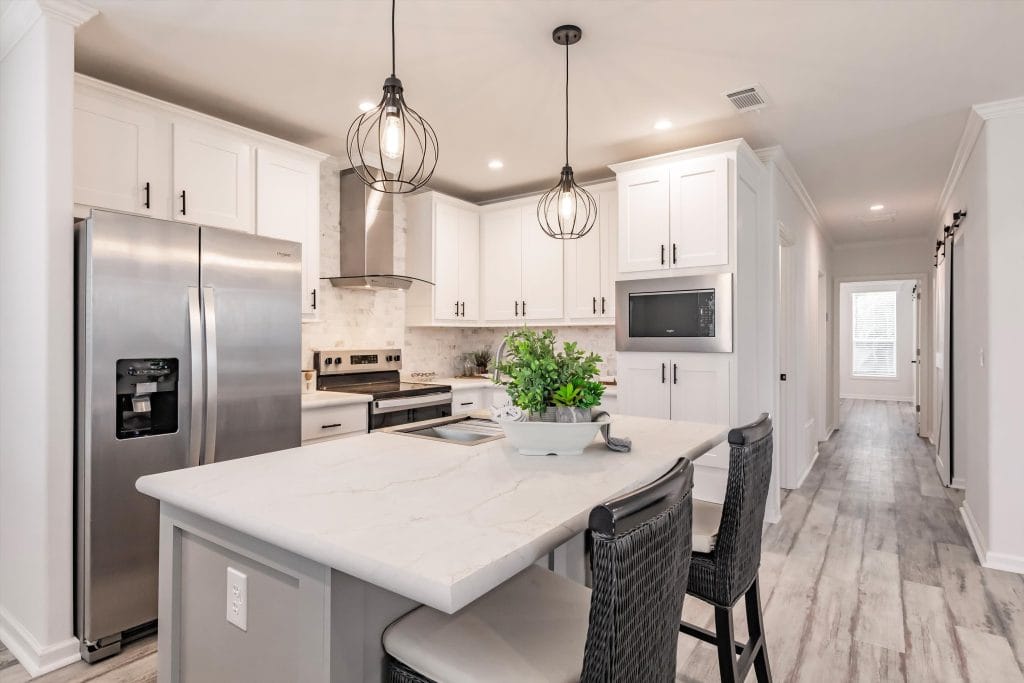
However, modern manufactured homes are very different from those built decades ago. Since the HUD Code was introduced and updated, construction quality, energy efficiency, safety standards, and design options have improved significantly. Today’s manufactured homes can rival site-built homes in comfort, appearance, and durability.

Depreciation is not automatic or guaranteed. It depends on several key factors, including:

  • Whether the home is titled as personal property or real property
  • The quality of construction and materials
  • Where the home is located and how the land is owned
  • Ongoing maintenance and care
  • Market conditions and local demand

A manufactured home placed on leased land in a park setting and titled as personal property may depreciate faster, especially if the surrounding area declines. On the other hand, a manufactured home permanently installed on owned land and properly maintained can behave much more like a traditional site-built home in terms of value trends.

It is also important to distinguish between depreciation in theory and real-world resale value. Even if a home depreciates slightly on paper, that does not mean it lacks resale demand or long-term financial value, especially in regions where affordable housing is in high demand.

Why Some Homes Hold or Gain Value

While depreciation gets most of the attention, many manufactured homes hold their value well, and some appreciate under the right conditions. Appreciation is more likely when the home is treated as real estate rather than personal property and when it benefits from strong location fundamentals.

Homes that are permanently installed on a foundation, titled as real property, and located on privately owned land are more likely to experience appreciation over time. In these situations, the land itself plays a major role in overall value, often offsetting any depreciation of the structure.

Other reasons some manufactured homes hold or gain value include:

  • Placement in desirable or growing markets
  • Proximity to waterfronts, golf courses, or amenities
  • High-quality construction and modern design
  • Strong local demand for affordable housing
  • Compliance with zoning, building codes, and wind standards

In areas like Southwest Florida, population growth, limited land availability, and lifestyle-driven demand can create favorable conditions for value stability or growth. When buyers focus on quality, location, and long-term planning, manufactured homes can be a smart and stable housing investment.

How Location Impacts Value Retention

Location is one of the most powerful influences on whether a manufactured home depreciates or holds value. Just like traditional homes, manufactured homes benefit from being placed in areas with strong demand, good infrastructure, and appealing surroundings.

Homes located on owned land generally retain value better than those on leased land. Ownership of the land gives you control, stability, and long-term equity potential. In addition, homes placed in well-planned communities or private lots with attractive views tend to perform better over time.

Key location factors that support value retention include:

  • Desirable school districts and community services
  • Access to beaches, waterways, or golf courses
  • Stable or growing local economies
  • Favorable zoning that supports manufactured housing
  • Low risk of flooding when properly sited

Strategic siting matters as well. Proper elevation, orientation, and compliance with local building requirements can improve durability and market appeal. When a home fits naturally into its environment and neighborhood, buyers perceive it as a long-term residence rather than a temporary structure.

Do Newer Models Depreciate Slower?

Newer manufactured homes often depreciate more slowly than older models, especially those built before modern HUD standards were introduced or updated. Advances in construction technology, materials, and design have significantly improved how today’s homes age.

Newer models typically offer:

  • Better energy efficiency and insulation
  • Improved wind resistance and structural integrity
  • Contemporary layouts and finishes
  • Compliance with current safety and building codes

Because these homes meet modern expectations, they tend to remain attractive to future buyers for longer periods. Energy-efficient features can also lower operating costs, which adds to perceived value and buyer interest.

Another factor is financing. Newer manufactured homes that are permanently installed and titled as real property may qualify for traditional mortgage products, which can broaden the buyer pool and support resale value.

While no home is immune to market fluctuations, choosing a newer model with quality craftsmanship can help slow depreciation and improve long term satisfaction.

Ways to Reduce Depreciation Over Time

While some depreciation factors are outside of your control, many are directly influenced by how you plan, install, and maintain your manufactured home. Proactive ownership can make a meaningful difference in long-term value.

Here are practical ways to reduce depreciation over time:

  • Install the home on a permanent foundation when possible
  • Title the home as real property rather than personal property
  • Choose a desirable lot with long-term appeal
  • Keep up with routine maintenance and repairs
  • Protect the home from weather-related damage
  • Maintain curb appeal and landscaping

Routine care matters more than many owners realize. Simple actions like repairing siding, maintaining roofing, servicing HVAC systems, and keeping the exterior clean can preserve both function and appearance. A well-cared-for home signals value to future buyers.

Upgrading outdated features over time can also help. When done thoughtfully, updates can keep your home competitive with newer models and changing buyer preferences.

Should You Invest in Upgrades to Offset Depreciation?

Strategic upgrades can help offset depreciation, but not every improvement offers the same return. The key is focusing on upgrades that enhance functionality, efficiency, and broad appeal rather than overly personalized features.

Upgrades that tend to support value include:

  • Energy-efficient windows and doors
  • Updated kitchens and bathrooms
  • Durable flooring materials
  • Improved insulation or roofing
  • Added storage or covered parking

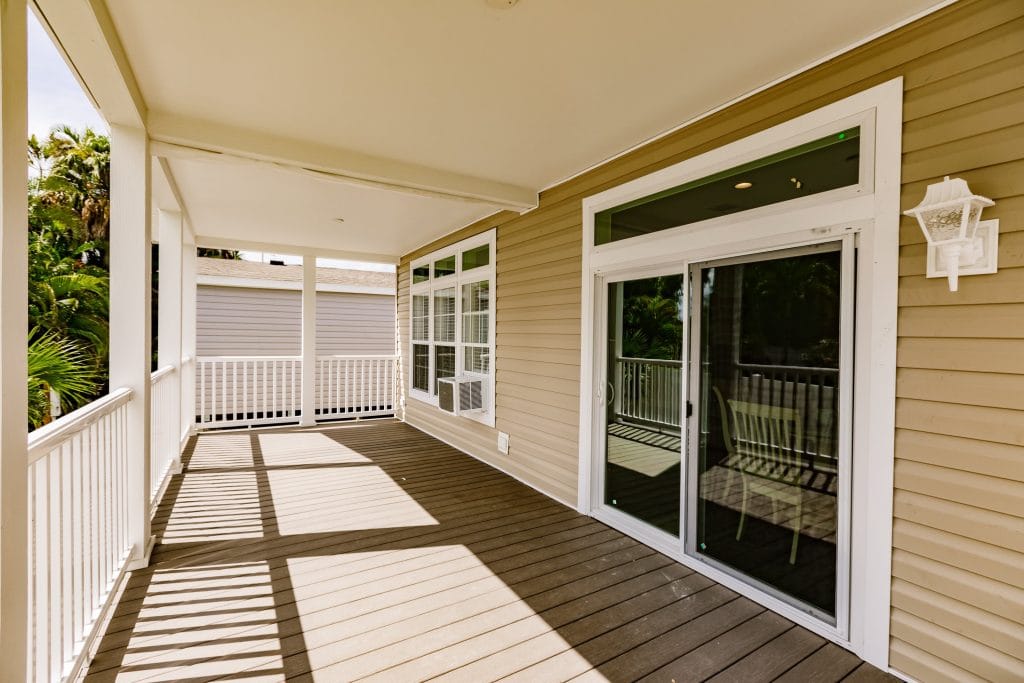
Exterior improvements often provide strong returns because they enhance first impressions. Landscaping, carports, garages, and sunrooms can all increase usability and visual appeal.

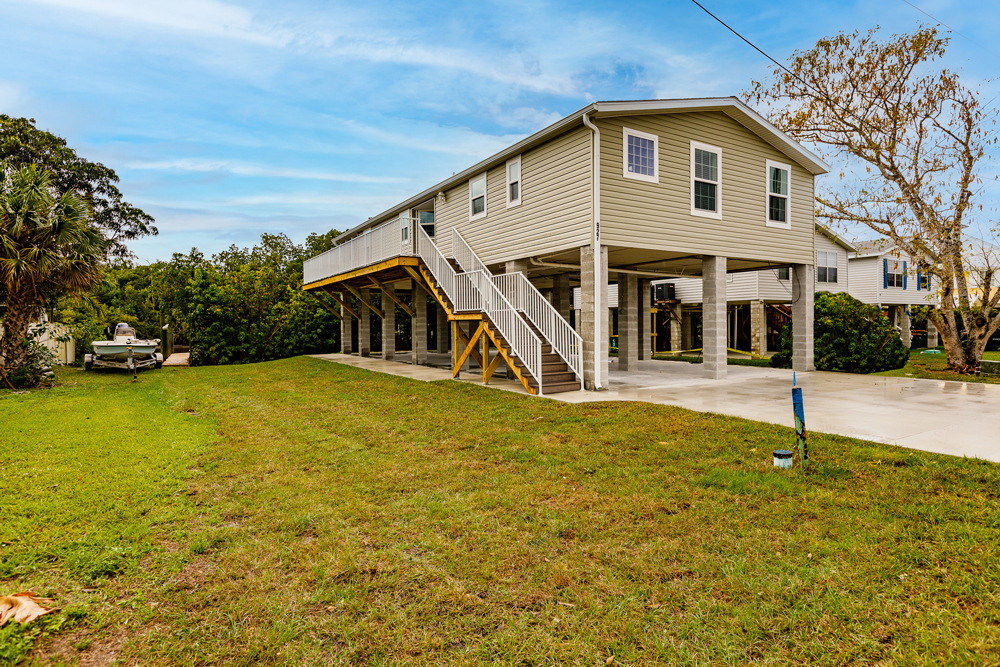
It is also important to consider regional preferences. In Southwest Florida, features like storm readiness, ADA-compliant access, elevated stilt construction near waterfronts, and outdoor living spaces can significantly influence desirability.

Before investing in major upgrades, it helps to work with professionals who understand local market trends and zoning requirements. This ensures your improvements align with buyer expectations and long-term value goals.

Putting It All Together

So, do manufactured homes lose value over time? The honest answer is that it depends. Manufactured home depreciation is influenced by location, land ownership, construction quality, maintenance, and market conditions. While some homes may depreciate, many hold their value well, and some appreciate when placed and cared for thoughtfully.

Modern manufactured homes are not the same as those of the past. With the right planning, they can offer an affordable, flexible, and financially sound path to homeownership. For buyers focused on lifestyle, comfort, and long-term practicality, manufactured homes remain a compelling option.

Ready to Explore Your Options with Confidence?

If you are considering a manufactured home in Southwest Florida, LeeCorp Homes is ready to help. A family-owned business founded in 1983, we are committed to quality craftsmanship and ensuring you get a home you can be proud of. No matter your lifestyle, we can create a home that is right for you, whether you are thinking of a simple single-wide hideaway, a waterfront stilt home, or a three-bedroom home designed to welcome friends and family.

We are ready to make your plans a reality. As specialists in manufactured homes, we know how to help you get the most from your home, from ensuring your home meets local zoning and building requirements to strategic siting that takes full advantage of waterfront or golf course views to ADA compliance if you are looking for extra peace of mind.

If you want to install a home on your own property, we provide full site development services, everything from grading to well and septic system installation. We also provide state-of-the-art replacement homes if you are ready for an upgrade from an existing manufactured home. We make the homebuilding process simple for you by taking care of everything. We oversee every step of the construction process to be sure everything is perfect for you.

We offer simple and transparent pricing, and our services include the installation of landscaping, carports or garages, sunrooms, and storage sheds. Contact us to learn more and start building a home that fits your life today.
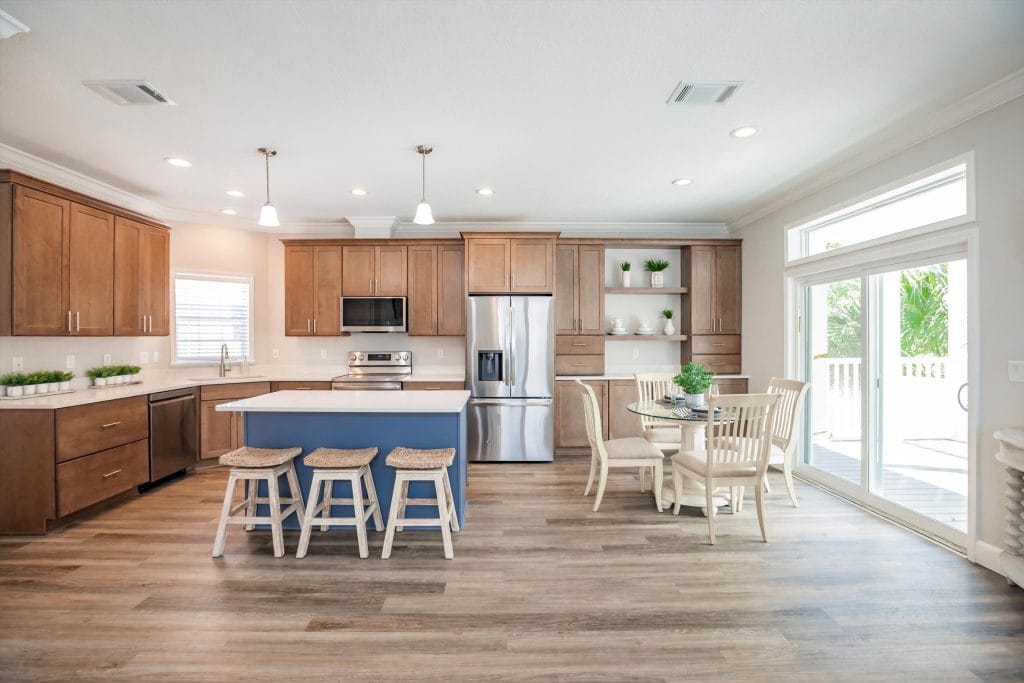
What Are Land Packages for Manufactured Homes?

What Are Land Packages for Manufactured Homes?

Understanding Manufactured Home Land Packages

Manufactured home land packages have become a popular choice for buyers who want a simple, streamlined way to purchase both a home and the property it sits on. These packages combine a manufactured home with a parcel of land to create a single, coordinated purchase. For many buyers, manufactured home land packages offer convenience, cost savings, and long-term stability compared to buying a home and land separately. As the manufactured housing market continues to grow, more buyers are looking for guidance on how these packages work, what advantages they offer, and how to evaluate whether they are the right fit.

Benefits of Buying a Land-Home Package

Purchasing a land-home package provides a wide range of benefits that go beyond convenience. Buyers often appreciate that the home and land are tied together from the start, making the entire ownership experience more cohesive. Many lenders prefer this structure because the home becomes real property rather than personal property, which opens the door to a wider range of mortgage options. Land-home packages also simplify the process of preparing the property for the new home. Instead of coordinating multiple contractors, a single provider can manage site development, foundation placement, utility hookups, and permitting. This reduces stress while ensuring the home is installed correctly and meets local requirements. Additionally, owning both the land and the home builds long-term equity. Instead of making monthly payments for a leased lot, buyers invest in an asset that grows over time. This stability appeals to homeowners who want full control over their homesite, the ability to customize their outdoor space, and the comfort of long-term financial security.

How Land Packages Simplify the Setup Process

One of the biggest advantages of a land-home package is how much it simplifies the setup and installation process. When a buyer purchases a manufactured home to place on land they already own, they typically need to handle site preparation themselves or hire separate contractors to manage it. This might include grading, foundation construction, driveway installation, utility work, and ensuring the site complies with local building regulations. A land-home package eliminates the need to coordinate all of these steps individually. The provider manages the entire process from the moment the land is selected. This includes surveying the property, preparing the site, constructing the foundation, installing required infrastructure, and coordinating inspections with local authorities. Because everything is handled by one source, there is better consistency in workmanship and fewer delays caused by miscommunication between contractors. Homeowners can also trust that the installation meets state and local codes, which is essential for safety and long-term durability. With a land-home package, the buyer enjoys a turnkey experience that makes move-in day faster and much less stressful.

Are Land Packages More Cost-Effective?

Many buyers find that land-home packages are more cost-effective than buying a home and land separately. There are several reasons for this. First, combining the land and the home into one mortgage often results in lower monthly payments than financing them individually. Mortgage loans generally have better interest rates and terms than the chattel loans commonly used for manufactured homes placed on leased land. This can lead to substantial savings over the life of the loan. Second, site preparation costs are often lower when included in a package. Providers who specialize in land-home packages typically have established relationships with contractors and can negotiate better pricing for grading, utility installation, and foundation work. These savings get passed on to the buyer. Third, ownership of both the land and the home enhances long-term equity and resale value. A manufactured home placed on owned land generally appreciates more than one on rented land. This makes a land-home package a smart financial choice for homeowners who want to invest in a long-term residence or plan to resell in the future. Combined, these factors help explain why many buyers view land-home packages as a more cost-effective path to homeownership.

Financing Options for Manufactured Home Land Packages

Financing a land-home package is often easier and more flexible than financing a manufactured home alone. When the land and home are purchased together, the home is classified as real property, which opens the door to traditional mortgage products. Buyers may qualify for FHA loans, VA loans, USDA loans, or conventional mortgages depending on their situation. These loan options tend to offer lower down payments, better interest rates, and longer repayment terms. FHA loans, for example, allow buyers to put down as little as 3.5 percent while enjoying competitive interest rates. VA loans may offer zero down payment for qualified veterans, making them an excellent option for military families. USDA loans provide favorable terms for properties located in eligible rural areas and may also allow zero down payment. Conventional loans are available as well and may be appealing for buyers with strong credit who prefer flexibility in their financing structure. Because the home and land are financed together, buyers avoid the need for dual loans or higher-interest chattel loans. This unified structure simplifies budgeting and improves affordability. Before choosing a loan program, buyers should consider factors like down payment requirements, property eligibility guidelines, and long-term financial goals. Working with a knowledgeable manufactured home specialist can help buyers compare loan options and identify the most cost-effective path to ownership.

What to Check Before Purchasing Land for a Manufactured Home

Before investing in a land-home package, it is important to evaluate the land itself to ensure it is suitable for a manufactured home. Buyers should start by reviewing zoning regulations to confirm that manufactured homes are allowed in the area. Some neighborhoods have restrictions that limit the type, size, or age of homes that can be placed on the property. Next, buyers should consider access to utilities. If the land is not already equipped with water, sewer, electricity, or internet services, installation will be needed. A land-home package provider can help coordinate these steps, but it is important to understand upfront what will be required and whether the site presents unique challenges. Drainage and soil conditions also matter. A site may require additional grading or engineering to support a solid foundation. Flood zone designation is another key factor, especially in regions prone to heavy rain or hurricanes. Buyers should confirm that the land can safely support the type of home they plan to install. Finally, it is wise to consider the long-term goals for the property. Some buyers want space for a garage, a porch, a workshop, or landscaping features. Evaluating the land early helps ensure it can accommodate future additions and create a comfortable, enjoyable living environment.

Contact Us Today

If you are considering a manufactured home in Southwest Florida, LeeCorp Homes is ready to help. A family-owned business founded in 1983, we are committed to quality craftsmanship and ensuring you get a home you can be proud of. No matter your lifestyle, we can create a home that is right for you, whether you are thinking of a simple single-wide hideaway, a waterfront stilt home, or a three-bedroom home designed to welcome friends and family. We are ready to make your plans a reality. As specialists in manufactured homes, we know how to help you get the most from your home, from ensuring it meets local zoning and building requirements to strategic siting that takes full advantage of waterfront or golf course views to ADA compliance if you want extra peace of mind. If you want to install a home on your own property, we provide full site development services, including grading, well installation, and septic system installation. We also offer state-of-the-art replacement homes if you are ready to upgrade from an existing manufactured home. Our goal is to make the homebuilding process simple for you by taking care of everything. We oversee every step of construction to ensure everything is perfect for you. We offer simple and transparent pricing, and our services include landscaping installation, carports or garages, sunrooms, and storage sheds. If you are ready to explore your options or begin planning your new home, contact us today.

How Is a Manufactured Home Set Up from Start to Finish?

How Is a Manufactured Home Set Up from Start to Finish?

Understanding the Manufactured Home Setup Process

Choosing a manufactured home is an exciting step toward comfortable and affordable living, and understanding what comes next can help you feel confident throughout the journey. The manufactured home setup process involves several essential stages, starting long before the home arrives on your property and continuing through delivery, installation, and final inspection. When you know what to expect, planning becomes easier, stress levels stay low, and you can look forward to moving day with anticipation instead of uncertainty.

Buying a manufactured home gives you the benefit of a streamlined building approach, where the home is constructed off-site in a climate-controlled factory. This careful environment ensures quality craftsmanship, consistent standards, and fewer delays from weather or labor shortages. Once the home reaches your property, the setup phase ensures it is installed safely and correctly so you can enjoy long-term comfort and peace of mind. To help you prepare for your upcoming project, here is a detailed walkthrough of what happens at each step and how everything comes together.

What Happens Before Your Manufactured Home Arrives

Before the home reaches your land, several important tasks must take place. These early steps lay the foundation for a smooth installation and help prevent setbacks later on. First, a site evaluation is conducted to determine whether the property can support a manufactured home. This evaluation includes soil conditions, slope, drainage, accessibility, zoning requirements, and local building regulations. These details influence everything from foundation type to utility placement. Once the land is approved, the next stage is permitting. Your contractor or manufactured home provider will typically help you navigate the paperwork, which may include building permits, utility permits, and any neighborhood-specific approvals. Getting permits in place early helps avoid delays as the process moves forward.

Next comes the development of a site plan. This plan outlines exactly where the home will sit, how it will be oriented for sunlight, views, and privacy, and where important components such as driveways, walkways, porches, carports, and utility connections will be placed. This plan also accounts for setbacks required by local code, which define how far the home must be from property lines or other structures.

After planning, the site preparation phase begins. This involves clearing the land of vegetation, old structures, or debris. Grading is performed to ensure the property is level and ready for the foundation. Proper grading also helps with drainage, so water flows away from the home instead of pooling beneath it. In some cases, soil compaction or reinforcement may be needed to meet the manufacturer’s installation standards.

Once the land is ready, foundation work begins. Manufactured homes can be installed on several types of foundations, such as pier and beam, slab, stem wall, or a raised stilt foundation for waterfront properties. The chosen foundation depends on building codes, flood zone requirements, soil conditions, and homeowner preference. The foundation must be completed before the home arrives since it will serve as the structural base that supports the home for years to come.

Finally, utility preparation takes place. Utility providers may need to install or update services, including water, sewer or septic, electric, and sometimes gas. Your installation team will coordinate timing so everything will be ready once the home is set in place.

Site Preparation and Delivery Steps Explained

Once the site is prepped and the foundation is ready, your manufactured home will begin its journey from the factory to your property. Delivery is a well-coordinated process that uses specialized equipment and highly trained drivers. Each section of the home, often called a module, is transported on its own trailer. Wide load escorts may be required depending on state regulations, and the driver will take carefully planned routes to safely navigate roads while protecting the home from damage.

When the home sections arrive, they are carefully positioned near the installation site. A crew then uses hydraulic jacks, rollers, and towing equipment to move the home onto the foundation. Safety, precision, and teamwork are key here, ensuring the home is perfectly aligned and level.

The sections of multi-section homes are then joined together. This step includes connecting structural components, fastening the marriage line where the units meet, and reinforcing the frame. After the home is secured, indoor connection points for flooring, walls, plumbing lines, and electrical systems are completed.

How Long the Setup Process Typically Takes

Many buyers want to know how long it will take before they can move in. The timeline depends on factors such as permitting speed, weather, the complexity of the foundation, the number of home sections, and local inspection schedules. In general, site preparation may take anywhere from one to four weeks, depending on the work required. Delivery itself usually takes a day once transportation is scheduled. The installation and finishing phase ranges from several days to a few weeks.

After installation, utilities must be connected and activated. Once those are complete, final inspections are conducted. Although timelines vary, most manufactured home buyers can expect the entire setup from site prep to move-in to take approximately four to twelve weeks.

Final Installation and Quality Inspections

Once the home is placed and joined, crews begin finishing work that ensures both the structural integrity and livability of the home. Interior finishing includes sealing connections, securing flooring transitions, and testing plumbing and electrical systems. Exterior finishing involves adding siding trim, skirting, and roofing materials at the marriage line.

Decks, porches, carports, garages, patios, driveways, walkways, and landscaping may also be installed at this stage, depending on your chosen package or site plan. If your home requires additional features such as hurricane straps, vapor barriers, vapor retarders, or energy efficiency components, those are handled now as well.

Once all work is complete, the home undergoes a series of inspections. Inspectors ensure the installation follows state and federal regulations, including HUD standards and Florida-specific building codes. They check foundation stability, utility hookups, electrical safety, structural connections, and moisture protection. Passing these inspections is essential for final approval and occupancy.

Tips to Ensure a Smooth Installation

You can play an active role in helping your manufactured home setup go smoothly. Here are some helpful tips.

Choose a reliable installation partner. Working with a reputable manufactured home dealer or contractor ensures consistency, communication, and adherence to all legal and safety standards. A knowledgeable team handles permitting, scheduling, and inspections so you do not have to manage the process alone.

Communicate clearly and ask questions. Do not hesitate to ask your provider about schedules, next steps, or site requirements. The more you understand, the easier it becomes to plan around deliveries and installation work.

Prepare your property early. If you have trees to remove, fencing to adjust, or old structures to clear, do so ahead of time to avoid delays.

Plan for weather. Although homes are factory-built, outdoor installation is still affected by weather conditions. Rain or storms may delay foundation work or utility installation, so build flexibility into your schedule.

Stay involved. Visiting the site regularly or staying in touch with your project manager ensures you stay informed and confident throughout the process.

Ready to Begin Your Manufactured Home Journey?

If you are considering a manufactured home in Southwest Florida, LeeCorp Homes is ready to help. A family-owned business founded in 1983, LeeCorp Homes is committed to quality craftsmanship and ensuring you get a home you can be proud of. No matter your lifestyle, we can create a home that fits your needs, whether you are envisioning a simple single-wide hideaway, a waterfront stilt home, or a spacious three-bedroom design perfect for welcoming family and friends.

LeeCorp Homes specializes in helping buyers get the most from their home by making sure it meets all local zoning and building requirements. Our team helps you strategically position your home to take full advantage of golf course or waterfront views and offers ADA-compliant options for added peace of mind. If you want to install a manufactured home on your own property, we offer full site development services, including grading, well and septic installation, and utility planning.

We also provide state-of-the-art replacement homes if you are ready to upgrade from an existing manufactured home. LeeCorp Homes simplifies the entire experience by overseeing every step of the construction process to ensure your home is perfect. Our transparent pricing makes budgeting easy, and our services include landscaping, carports or garages, sunrooms, and storage sheds.

Your dream home is closer than you think. Explore available models, learn more about the process, or speak with a friendly team member who can help you begin the next chapter of your homeownership journey.

What Benefits Do Tiny Manufactured Homes Offer Homeowners?

What Benefits Do Tiny Manufactured Homes Offer Homeowners?

In recent years, tiny manufactured homes have gained attention as a smart, sustainable, and budget-friendly housing option for homeowners who crave simplicity without sacrificing comfort or style. Whether you’re looking to downsize, invest in a vacation retreat, or embrace a minimalist lifestyle, tiny manufactured homes provide an affordable and flexible solution that fits modern living.

These homes combine the craftsmanship and quality of traditional housing with the efficiency and mobility that today’s homeowners value. Below, we’ll explore the key benefits of tiny manufactured homes, from cost savings and reduced maintenance to eco-friendly living and flexible location options, and how they’re transforming the way people think about homeownership.

Cost Savings and Affordability

Affordable Pricing and Construction Efficiency

One of the most appealing advantages of tiny manufactured homes is their affordability. Compared to traditional site-built homes, manufactured homes are significantly more cost-effective. The materials, construction process, and land requirements all contribute to keeping costs down without compromising on quality.

These homes are built in controlled environments using efficient production methods, minimizing waste and maximizing precision. This streamlined process allows manufacturers to pass the savings on to homeowners.

For individuals and families seeking a permanent residence, a vacation property, or a rental investment, tiny manufactured homes deliver exceptional value. Many buyers find that they can own their home outright faster than they ever could with a traditional mortgage.

Lower Ongoing Expenses

The reduced square footage means lower monthly expenses across the board, from heating and cooling costs to property taxes and insurance. The savings can free up funds for travel, hobbies, or retirement planning, giving homeowners financial flexibility and peace of mind.

Affordable customization options also make tiny manufactured homes appealing to a wide range of buyers. Whether you prefer a cozy one-bedroom retreat or a two-bedroom layout with space for guests, these homes can be tailored to fit your needs and budget.

Simplified Maintenance and Upkeep

Easy-to-Maintain Features

Owning a home comes with responsibilities, but tiny manufactured homes make maintenance far easier to manage. With fewer rooms, smaller systems, and durable construction materials, upkeep becomes simple and stress-free.

Many of these homes feature vinyl siding, metal roofing, and composite decking, materials chosen for their longevity and low maintenance needs. The compact design means cleaning takes a fraction of the time it would in a traditional home. Smaller HVAC systems and fewer plumbing fixtures mean lower repair costs, while factory-built construction ensures high-quality control and consistent results.

Routine maintenance tasks like painting, gutter cleaning, or landscaping become quick weekend projects rather than long-term commitments. The benefit of this simplicity cannot be overstated, especially for retirees, busy professionals, or anyone who values their free time.

Community Living Made Easy

Tiny manufactured homes are ideal for those who want to spend more time living and less time maintaining. Many communities that feature these homes also offer shared amenities like pools, recreation centers, or lawn care services, allowing homeowners to enjoy the perks of a community lifestyle without the associated upkeep.

Space-Saving Furniture Solutions

Another factor that enhances the livability of tiny manufactured homes is the creative use of space-saving furniture and design innovations. Built-in storage solutions, convertible furniture, and multi-functional layouts allow homeowners to enjoy comfortable living without feeling cramped.

Features like Murphy beds, fold-out tables, and hidden storage compartments maximize every inch of available space. Many manufacturers design their interiors with clever architectural details that create an open and airy atmosphere, such as vaulted ceilings, large windows, and bright finishes.

These design strategies give the illusion of more space while maintaining efficiency. Tiny manufactured homes prove that smaller doesn’t mean sacrificing comfort or style; it simply means being intentional with design choices.

For homeowners seeking convenience and organization, the simplicity of smart furniture solutions can transform small spaces into functional and beautiful living environments.

Eco-Friendly and Sustainable Living

Energy Efficiency and Green Construction

Sustainability is another area where tiny manufactured homes truly shine. With growing awareness of environmental issues, many homeowners are turning to smaller, more efficient living options that reduce their ecological footprint.

Tiny manufactured homes are built with energy efficiency in mind, often incorporating advanced insulation, energy-efficient windows, and eco-friendly materials that help conserve resources and lower utility bills. Their smaller size means they naturally consume less energy, whether for heating, cooling, or lighting.

Many homeowners pair these energy-efficient designs with renewable energy sources like solar panels or wind turbines, further reducing their dependence on traditional utilities.

Environmentally conscious buyers also appreciate that many manufacturers use sustainable materials during construction, including recycled wood products and low-VOC finishes that improve indoor air quality.

Choosing a tiny manufactured home is more than just a financial decision; it’s an environmentally responsible one. Living smaller promotes mindful consumption, reduces waste, and encourages sustainable living habits that benefit both the homeowner and the planet.

Off-Grid and Solar-Ready Designs

For those interested in taking sustainability to the next level, many tiny manufactured homes come with off-grid and solar-ready features. This allows homeowners to generate their own power and live independently from traditional energy grids.

Solar panels can provide electricity for daily use, while rainwater collection systems and composting toilets further enhance self-sufficiency. These systems not only reduce utility bills but also make it possible to live in remote or rural areas where traditional infrastructure might not be available.

The flexibility to live off-grid appeals to adventurers, retirees seeking peace and solitude, and environmentally conscious individuals who value independence.

Off-grid living doesn’t mean compromising modern comforts. Today’s solar-ready designs incorporate high-efficiency appliances, smart thermostats, and backup battery systems that ensure continuous power and convenience. Whether you’re parked beside a serene lake or nestled among palm trees in Southwest Florida, an off-grid tiny manufactured home lets you enjoy comfort while embracing eco-conscious living.

Zoning and Mobile Placement Rules

Understanding Zoning Regulations

One of the most attractive aspects of tiny manufactured homes is their flexibility in placement. These homes can be installed on private land, in manufactured home communities, or on leased lots, providing options that suit various lifestyles and budgets.

However, it’s essential to understand zoning and placement regulations in your area before making a decision. Zoning laws determine where manufactured homes can be placed, and they vary by location.

Some municipalities have specific zoning districts that allow for tiny homes, while others require that the home meet certain size or foundation requirements. Manufactured homes that are built to HUD code standards typically qualify for placement in approved manufactured home communities or on private land that meets local zoning regulations.

Flexibility and Mobility

Many buyers appreciate the mobility of these homes. They can be relocated if needed, allowing homeowners to move closer to family, downsize to a smaller lot, or explore new areas without purchasing a new home.

The key is working with professionals who understand local regulations and can guide you through the process. Companies like LeeCorp Homes specialize in navigating these details, ensuring your home meets all local codes and is sited correctly for optimal safety and value.

For example, in Florida, zoning regulations can differ significantly between counties, especially in coastal or waterfront regions. Professional assistance helps you avoid potential challenges and ensures your home placement process is smooth and compliant.

Freedom and Flexibility in Location

Beyond zoning, the flexibility of tiny manufactured homes opens up exciting possibilities for homeowners seeking unique living environments. You can choose a location that fits your lifestyle, whether that’s a quiet inland property, a waterfront view, or a golf course community.

Because of their compact size, tiny manufactured homes can fit on smaller lots, leaving space for gardens, patios, or carports. This adaptability makes them an ideal choice for retirees, snowbirds, and those who prefer seasonal living.

Many homeowners choose to place their manufactured homes in resort-style communities that offer social activities, amenities, and maintenance services, combining the benefits of ownership with the convenience of community living.

Others choose to install their homes on private property, enjoying the privacy and freedom that come with personal land ownership. The choice is yours, and that flexibility is one of the greatest advantages of tiny manufactured homes.

Financial Security and Long-Term Value

Investing in a tiny manufactured home also makes financial sense for long-term stability. As housing costs continue to rise across the country, many buyers find manufactured homes to be a practical alternative that doesn’t require sacrificing comfort or amenities.

These homes often come with energy-efficient appliances, modern finishes, and customization options that make them feel every bit as comfortable as site-built homes.

Additionally, with proper maintenance and care, modern manufactured homes retain their value over time, especially when situated on owned land or within well-managed communities.

Tiny manufactured homes also make great rental or guest units. Many homeowners use them as accessory dwelling units (ADUs) on their property, generating additional income through long-term rentals or short-term vacation stays. Their affordability and design flexibility make them a smart choice for those seeking to diversify their investments while maintaining manageable expenses.

A Lifestyle of Simplicity and Freedom

Perhaps the greatest benefit of owning a tiny manufactured home is the lifestyle it promotes. Downsizing to a smaller space encourages a focus on what truly matters: relationships, experiences, and personal freedom.

Without the burden of high mortgage payments or overwhelming maintenance, homeowners can spend more time enjoying life. Tiny manufactured homes are especially appealing to those embracing minimalist or sustainable lifestyles, as they promote intentional living and resourcefulness.

Many homeowners find that living in a smaller, more efficient space helps them feel more organized and less stressed. The reduced cost of living also provides more freedom to travel, pursue hobbies, or retire earlier than planned.

In essence, tiny manufactured homes aren’t just about saving money; they’re about gaining freedom and peace of mind.

Discover the Benefits with LeeCorp Homes

If you’re considering a manufactured home in Southwest Florida, LeeCorp Homes is ready to help. A family-owned business founded in 1983, we’re committed to quality craftsmanship and ensuring you get a home you can be proud of.

No matter your lifestyle, we can create a home that’s right for you, whether you’re thinking of a simple single-wide hideaway, a waterfront stilt home, or a three-bedroom home designed to welcome friends and family. We’re ready to make your plans a reality.

As specialists in manufactured homes, we know how to help you get the most from your home, from ensuring your home meets local zoning and building requirements to strategic siting that takes full advantage of waterfront or golf course views to ADA compliance if you’re looking for extra peace of mind.

If you want to install a home on your own property, we provide full site development services, everything from grading to well and septic system installation. We also provide state-of-the-art replacement homes if you’re ready for an upgrade from an existing manufactured home.

We make the homebuilding process simple for you by taking care of everything. We oversee every step of the construction process to be sure everything’s perfect for you. We offer simple and transparent pricing, and our services include the installation of landscaping, carports or garages, sunrooms, and storage sheds.

Tiny manufactured homes offer endless opportunities for affordable, sustainable, and flexible living, and with LeeCorp Homes, you can enjoy all those benefits with confidence and ease. Contact us today to explore our models and start your journey toward simpler, smarter homeownership.

How Do Modular Home Prices Compare to Traditional Builds?

How Do Modular Home Prices Compare to Traditional Builds?

When considering building a new home, one of the biggest decisions you’ll make is choosing between modular and traditional stick-built construction. Each option offers distinct advantages, but if cost is a top concern, it’s worth taking a detailed look at how the two compare in every phase of the homebuilding process. From materials and labor to site preparation, installation, and financing, modular home prices can offer surprising savings without sacrificing quality, comfort, or long-term value.

Breakdown of Material and Labor Costs

The materials used in modular homes and traditional builds are largely the same, such as wood framing, drywall, insulation, roofing, and finishes, but the way they’re sourced, managed, and assembled makes a big difference in total cost. Because modular homes are built in climate-controlled factories, the process minimizes waste, delays, and inefficiencies that often increase expenses in site-built construction.

Factory Efficiency Versus On-Site Labor

Modular homes benefit from what’s known as “factory efficiency.” Building components are fabricated indoors using precise measurements and computer-guided machinery. This controlled environment means that every piece fits together perfectly, materials are ordered in bulk, and production crews work year-round without weather delays. As a result, modular home manufacturers often save up to 20% on materials through bulk purchasing and reduced waste. Those savings are passed on to buyers through lower overall modular home prices.

In contrast, traditional site-built homes are subject to fluctuating material costs, unpredictable delivery timelines, and labor inefficiencies. Weather can delay framing, foundation work, or roofing, forcing contractors to adjust schedules or pay for additional labor hours. Skilled labor shortages in many regions can also raise costs for electricians, plumbers, and carpenters. When you factor in extended construction times and higher hourly wages, labor on a traditional build can account for 40% or more of the total cost. Modular construction typically cuts that labor portion significantly because so much of the work is completed in the factory.

Another area where modular homes shine is quality control. Every module goes through rigorous inspection during production, ensuring consistency across every section of the home. In a traditional build, quality can vary depending on the crew, weather conditions, and oversight on-site. Although both types of homes must meet local building codes, modular homes are inspected multiple times during the manufacturing process to verify compliance. That attention to detail not only saves time but also reduces the likelihood of costly mistakes or rework once the home is delivered.

Site Preparation and Installation Fees

Whether you choose modular or traditional construction, you’ll need to prepare the land for your new home. This includes clearing the lot, grading, and installing utilities such as septic systems, wells, and electrical connections. However, there are distinct differences in how these costs break down between the two approaches.

Site preparation for a traditional stick-built home often involves a longer timeline and more coordination between contractors. The foundation must be poured, cured, and inspected before framing begins, which can take weeks. In regions with heavy rainfall or challenging soil conditions, those delays can stretch even further, increasing costs for equipment rentals, labor, and project management.

Modular homes, on the other hand, allow much of this work to occur simultaneously. While your home is being built in the factory, the foundation and utility work can progress on-site. This parallel timeline shortens the overall project duration by weeks or even months, saving both time and money. Once the modules are delivered, they’re installed on the prepared foundation in just a few days. The home is then sealed, finished, and connected to utilities, dramatically reducing the labor and equipment expenses compared to a full stick-built process.

Permit and Inspection Charges

Another factor that affects the total cost of any home build is permitting and inspection. Traditional construction typically requires a series of on-site inspections at various stages, including foundation, framing, electrical, plumbing, insulation, and final completion. Each inspection involves coordination, potential delays, and sometimes rework if something doesn’t meet code the first time.

Modular homes streamline this part of the process. Because modules are constructed to meet state and local codes in a factory setting, many inspections are already completed before the home arrives on your property. Local inspectors will still need to verify the foundation, utility hookups, and final installation, but this often involves fewer visits and less back-and-forth. That efficiency can help reduce costs associated with scheduling, delays, and additional contractor time.

It’s also worth noting that modular home builders often assist with permitting and code compliance, simplifying what can be a complicated process for homeowners building a traditional house. With expert guidance, you’re less likely to encounter surprise costs or permit-related setbacks.

Financing and Insurance Differences

Beyond materials and labor, financing and insurance can significantly affect the total cost of ownership for modular and traditional homes. Although modular homes were once seen as harder to finance, lenders today recognize their value and durability, making financing options more widely available and comparable to conventional mortgages.

Many buyers find that modular homes qualify for the same loan types as stick-built properties, including FHA, VA, and conventional mortgages. The main difference is the disbursement schedule. Traditional builds typically release funds in phases as construction milestones are reached. Modular home loans, on the other hand, may release funds in larger portions, first for the factory build, then for site preparation and final installation.

Insurance rates can also differ. Because modular homes are built in a controlled environment, they’re less susceptible to weather-related construction risks such as water damage, theft of materials, or vandalism. This reduced risk can translate into slightly lower builder’s risk insurance premiums during construction. Once installed, modular homes are treated just like any other permanent residence and qualify for standard homeowner’s insurance policies.

One common misconception is that modular homes depreciate in value like mobile or manufactured homes. In reality, modern modular homes are constructed to the same, or even higher, standards as traditional homes and are considered permanent structures. As a result, their resale values tend to mirror those of site-built homes in the same area.

Because modular homes are often built with energy-efficient materials and advanced insulation techniques, they can also save homeowners money on utilities over the years. Features like double-pane windows, tight construction seams, and energy-rated appliances reduce heating and cooling costs, which can make a modular home more attractive to future buyers.

Maintenance costs over time also tend to be lower with modular homes. Since the components are built indoors, they aren’t exposed to moisture during construction, reducing the likelihood of warping, mold, or early wear. Combined with their efficient build process and durable materials, modular homes often deliver a strong return on investment while remaining affordable to maintain.

From a long-term perspective, modular homes also offer flexibility. Because they’re built in sections, it’s possible to expand or remodel more easily than with traditional homes. That adaptability can appeal to growing families or homeowners who want to customize their spaces in the future, adding further value to the property.

Comparing Overall Costs and Timeframes

When you add up all the expenses, including materials, labor, site preparation, permits, and financing, it becomes clear that modular home prices are generally 10% to 25% lower than comparable stick-built homes. In addition, the time savings can be substantial. A traditional home might take eight to twelve months from groundbreaking to move-in, while a modular home can often be completed in three to six months.

Those shorter timelines mean reduced carrying costs such as construction loan interest, temporary housing expenses, and utility setup delays. Homeowners can begin enjoying their new homes sooner, which can also reduce stress and uncertainty.

It’s important to note that while modular homes often cost less upfront, the quality is by no means lower. In fact, the precision and quality control involved in factory construction often result in a tighter, more durable structure that stands up well to weather and time. For homeowners in regions like Southwest Florida, where humidity, rain, and coastal conditions can challenge traditional builds, that durability is a significant advantage.

Environmental and Sustainability Considerations

Another area where modular construction excels is sustainability. Factory building drastically reduces material waste, often by as much as 50%, because materials are measured and reused efficiently. Any leftover components can be recycled rather than discarded. Additionally, modular homes tend to produce fewer on-site emissions since construction is completed in a central facility rather than involving multiple deliveries and heavy machinery at the build site.

For eco-conscious buyers, modular homes can be designed with green technologies like solar panels, high-efficiency HVAC systems, and smart home integrations. These energy-saving measures can reduce monthly bills and contribute to a smaller environmental footprint, making them an appealing choice for those who want to combine savings with sustainability.

Value Beyond Cost

While the cost advantages of modular construction are clear, the benefits go far beyond price. Shorter build times, consistent quality, energy efficiency, and streamlined financing all make modular homes an increasingly popular choice for today’s homeowners. For those who want a high-quality, custom-designed home without the stress and unpredictability of traditional construction, modular housing offers a practical and appealing alternative.

The key takeaway is that modular home prices deliver excellent value without compromise. You can enjoy the same design flexibility, quality craftsmanship, and long-term durability as a site-built home, often for significantly less money and in a fraction of the time. And with modern modular designs that rival traditional architecture in style and comfort, it’s easy to see why more buyers are turning to this smart building method.

Build Your Dream Home with LeeCorp Homes

If you’re considering a manufactured home in Southwest Florida, LeeCorp Homes is ready to help. A family-owned business founded in 1983, we’re committed to quality craftsmanship and ensuring you get a home you can be proud of. No matter your lifestyle, we can create a home that’s right for you, whether you’re thinking of a simple single-wide hideaway, a waterfront stilt home, or a three-bedroom home designed to welcome friends and family. We’re ready to make your plans a reality.

As specialists in manufactured homes, we know how to help you get the most from your home, from ensuring your home meets local zoning and building requirements to strategic siting that takes full advantage of waterfront or golf course views to ADA compliance if you’re looking for extra peace of mind.

If you want to install a home on your own property, we provide full site development services, everything from grading to well and septic system installation. We also provide state-of-the-art replacement homes if you’re ready for an upgrade from an existing manufactured home.

We make the homebuilding process simple for you by taking care of everything. We oversee every step of the construction process to be sure everything’s perfect for you. We offer simple and transparent pricing, and our services include the installation of landscaping, carports or garages, sunrooms, and storage sheds.

Contact us today to learn more about how we can help you build the home you’ve always wanted. Let’s turn your dream into a place you’ll love to call home.